| Gi | No-gi | |
|---|---|---|
| Uniform | Cotton gi and belt | Rash guard and shorts |
| Grips | Sleeves, collar, pants | Wrists, neck, body |
| Pace | Slower, more control | Faster, more scrambling |
| Starter cost | $60 to $120 for a kids gi | $40 to $80 |
| Best for | Most beginners | Wrestlers, older kids, hot climates |
Pick by goal
- First giA plain kids gi a size upGis shrink a little in the wash.
- Two-class-a-week childTwo gis or two rash guardsAlways one clean one ready.
- Ear protectionOnly if the coach suggests itMost kids do not need it.
On this page
The first purchase most BJJ families make is a gi, and the first question is often whether their child needs one at all. Brazilian Jiu-Jitsu is practised in two ways, with the traditional jacket and without it, and many academies teach both. Here is how they differ, which suits beginners, and the short list of gear that really matters.
Gi and no-gi: the difference
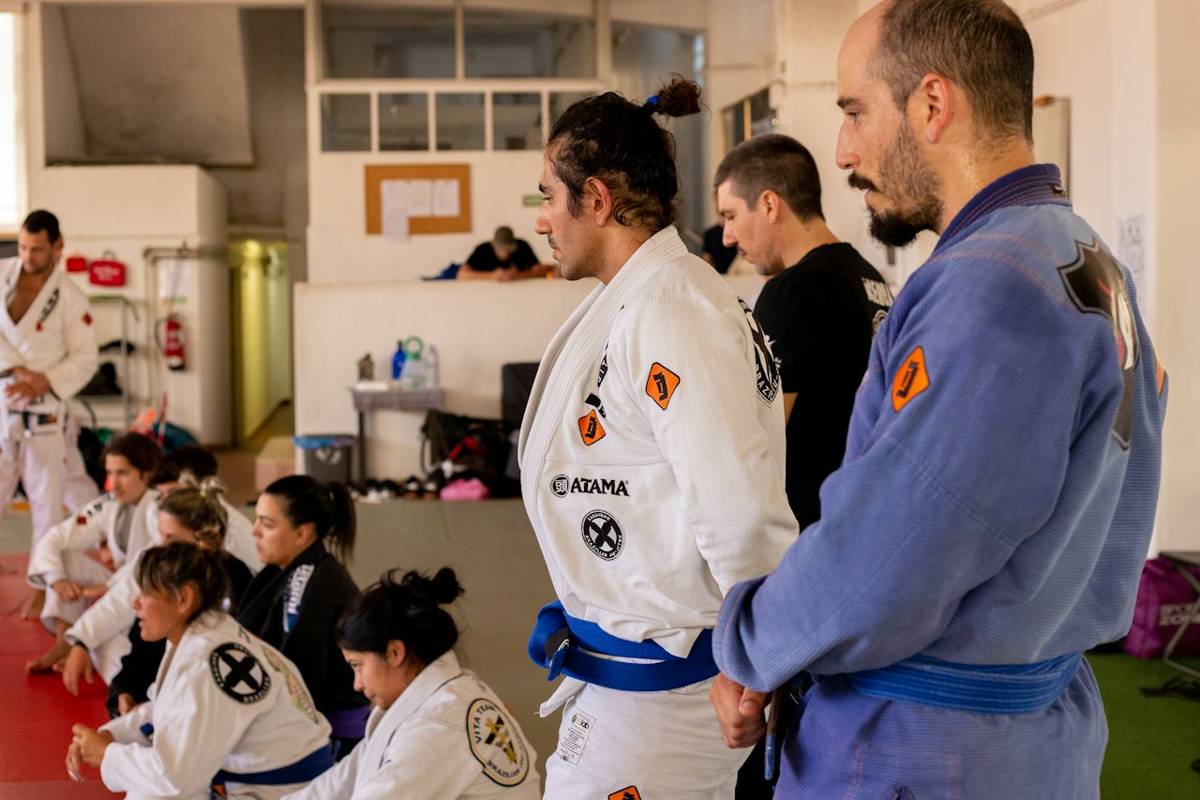
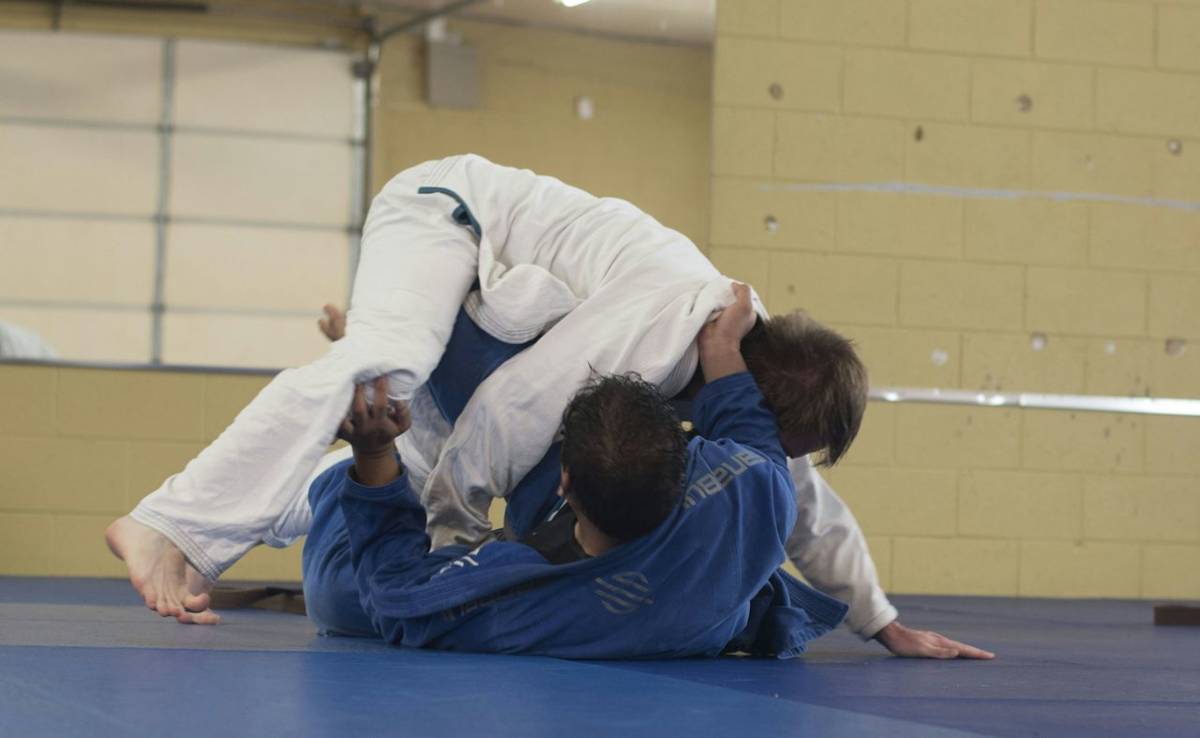
The gi is a heavy cotton jacket and trousers tied with a belt. In gi training, partners can grip the collar, sleeves and trousers, which opens up a huge range of controls and techniques. Matches tend to be slower and more tactical.
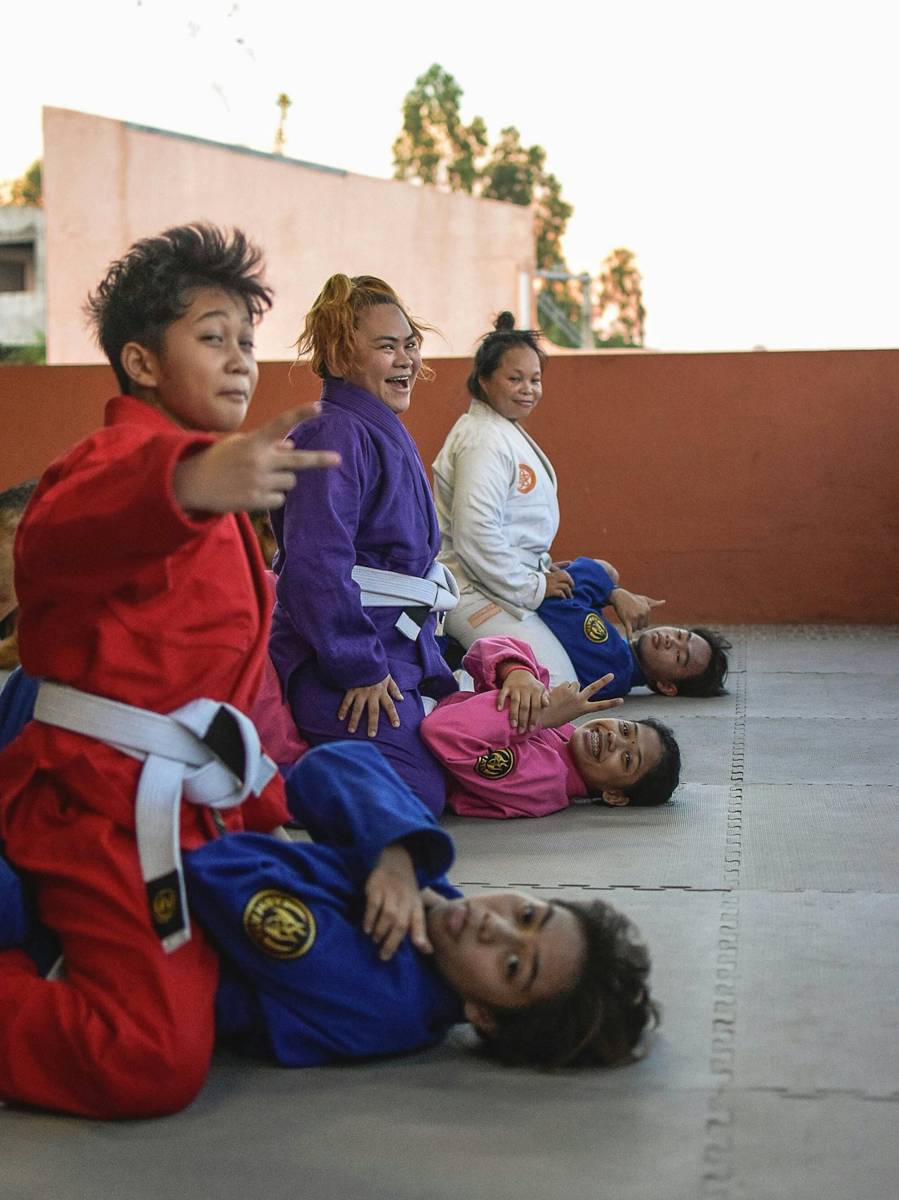
No-gi training is done in a fitted rash guard and shorts or leggings (spats). With nothing to grab but arms, legs and the body, grappling becomes faster and more slippery, and it looks more like wrestling. Many techniques overlap, but grips and pacing are very different.
Which is better for kids
Most academies start children in the gi, for good reasons. The jacket gives small hands something to hold, slows the pace so children can think, and makes the belt system visible. Gi training also teaches patience and control, which helps young children roll safely. No-gi classes are often offered to older children and teens, and many children enjoy doing both. There is no wrong choice; follow your academy’s program.
Choosing and sizing a kids gi
Kids gis are sized by height and weight with codes such as M00, M0, M1 and up, and charts vary between brands. Cotton gis can shrink in the wash, so many families buy slightly large and wash cold, then hang to dry. Check whether your academy requires a particular color or its own patch. For IBJJF competitions, gis must be white, blue or black and meet rules about fit and condition. A basic kids gi usually costs about $50 to $120, and a second gi is worth buying so a clean one is always ready.
The rest of the gear
Children need very little beyond the gi. A mouthguard is a good idea for all children and is required in some classes. For no-gi, they need a rash guard and shorts or spats without pockets or zips. Ear guards are optional; they protect against cauliflower ear, the swelling caused by repeated rubbing and pressure, and are popular with children who also wrestle. Sandals or flip-flops are essential for walking off the mat, so bathroom floors are never tracked onto it. A water bottle with your child’s name finishes the list.
Hygiene rules
Close contact means skin infections such as ringworm and impetigo can spread on the mat, and academies take hygiene seriously. Expect these rules everywhere: wash the gi and rash guard after every single class; keep fingernails and toenails short; shower after training; never walk barefoot off the mat and then step back on; and stay home with any rash or open cut until it has been checked. Pediatric guidance recommends checking skin regularly for children in contact sports. A good academy cleans its mats daily.
Washing and caring for a gi
A gi lasts years if it is washed well. Wash it after every class, inside out, in cold water with an ordinary detergent, and hang it to dry rather than using a hot dryer, which shrinks cotton. Avoid fabric softener, which can weaken the weave and hold odors. Never leave a sweaty gi in a closed bag overnight, as bacteria build up fast. Belts are traditionally not washed in some academies, but for hygiene most parents wash them occasionally on a gentle cycle; ask what your academy expects. If a gi starts to smell even after washing, a soak in water with a cup of white vinegar usually helps. See our uniform sizing and care guide.
What not to buy yet
Skip expensive competition gis, branded backpacks and extra gear until your child has trained for a few months and knows they love it. Many academies have loaner gis for trial classes. For more on getting started, see our first BJJ class guide, BJJ for kids and the BJJ profile.
Questions parents and students ask
Should my child start BJJ in the gi or no-gi?
Most academies start children in the gi. The jacket gives them grips to hold and teaches control at a slower pace. Many children add no-gi later.
How much does a kids BJJ gi cost?
A basic kids gi usually costs somewhere around $50 to $120. Many families buy a second one so a clean gi is always ready.
Does my child need headgear for BJJ?
It is optional at most academies. Ear guards protect against cauliflower ear from rubbing and pressure; some children wear them, especially those who also wrestle.