| What happens | |
|---|---|
| Warm-up | Shrimping, rolls, bear crawls, games |
| Technique | A position or escape, shown then drilled |
| Partner drill | Slow repetitions with a partner |
| Games | Positional games like keep the mount |
| Safety | Tap to stop, let go at once |
Pick by goal
- Shy childAsk to start with gamesLow-pressure play warms them up.
- Very young childA tiny tigers class (4 to 6)Mostly movement and games.
- Gi or no-giStart in the gi if offeredGrips slow things down and teach control.
On this page
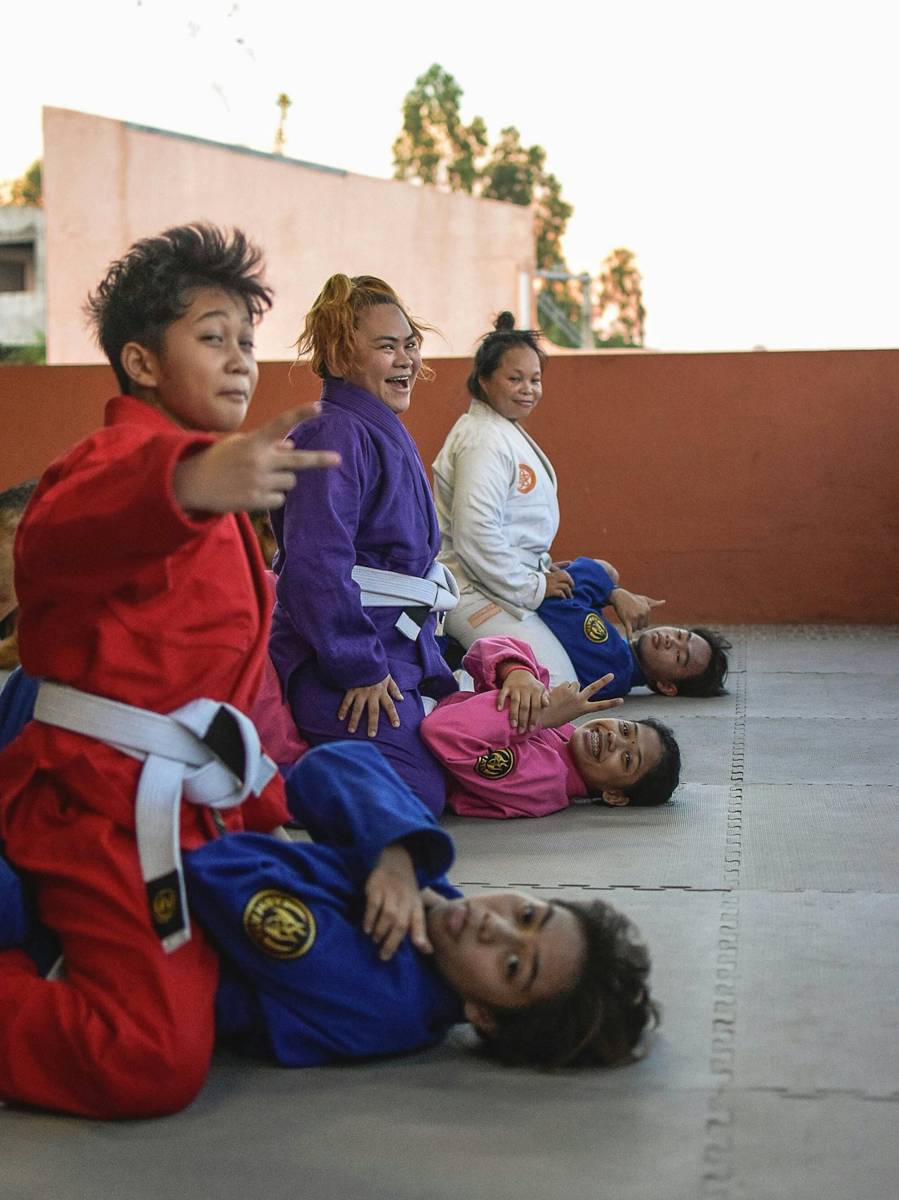
A first Brazilian Jiu-Jitsu class can feel strange to children who have never wrestled around with someone they do not know. Most kids warm up quickly, though, because BJJ classes for children are built around movement and games. A little preparation helps your child walk onto the mat feeling confident.
Before the class
Book a trial class and tell the academy your child’s age and any experience. Ask whether they lend a gi for trial classes and what time to arrive. Trim your child’s fingernails and toenails, take off jewelry, and tie back long hair without metal clips. Make sure they eat a light snack an hour or two beforehand rather than a big meal.
What to bring
- Athletic clothes without zips, buttons or pockets, or a loaner gi
- Sandals or flip-flops for walking off the mat
- A water bottle
- A mouthguard if you have one
- Any forms the academy has sent
How the class usually runs
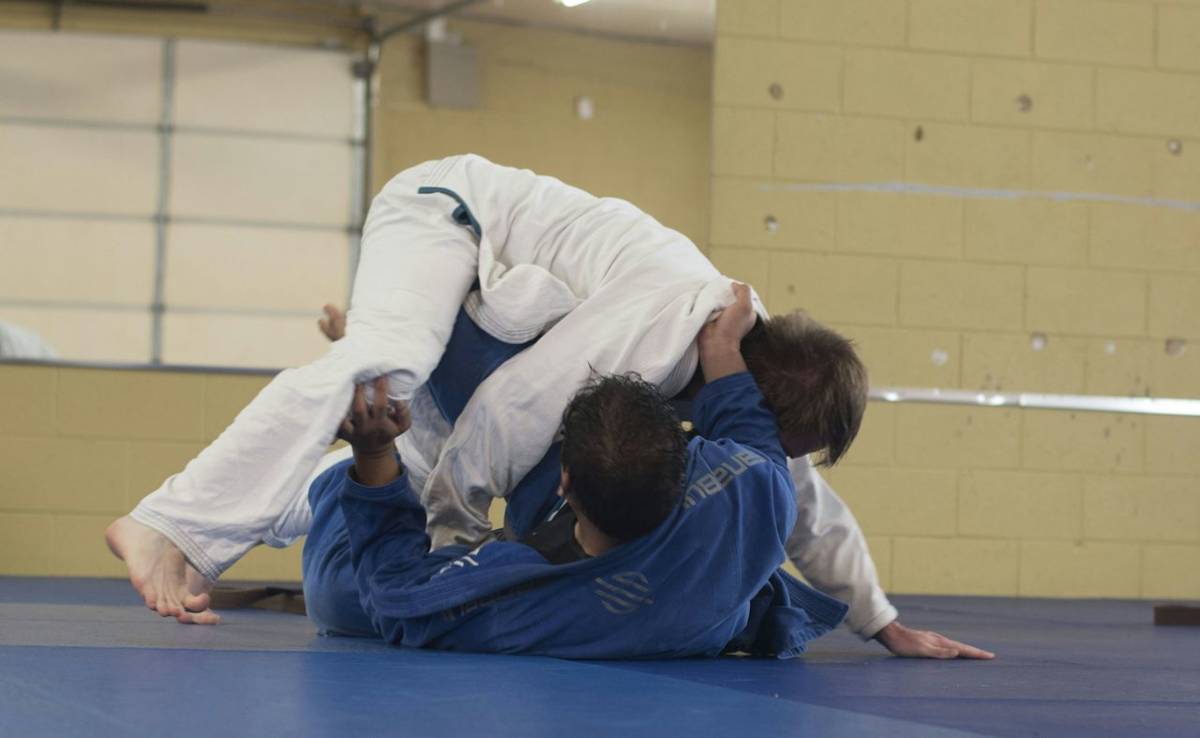
Children usually line up by belt, bow onto the mat and start with a warm-up of movement drills such as forward rolls, shrimping (a hip-escape movement on the back) and crawling. The coach then shows a position or technique, children practise it slowly with a partner, and the class plays positional games, such as trying to stay on top for ten seconds. Classes for older children often end with live rolling, supervised sparring against a partner of similar size.
On the first day, many coaches keep new children out of full live rolling until they understand the safety rules. That is a good sign.
The safety rules your child will learn
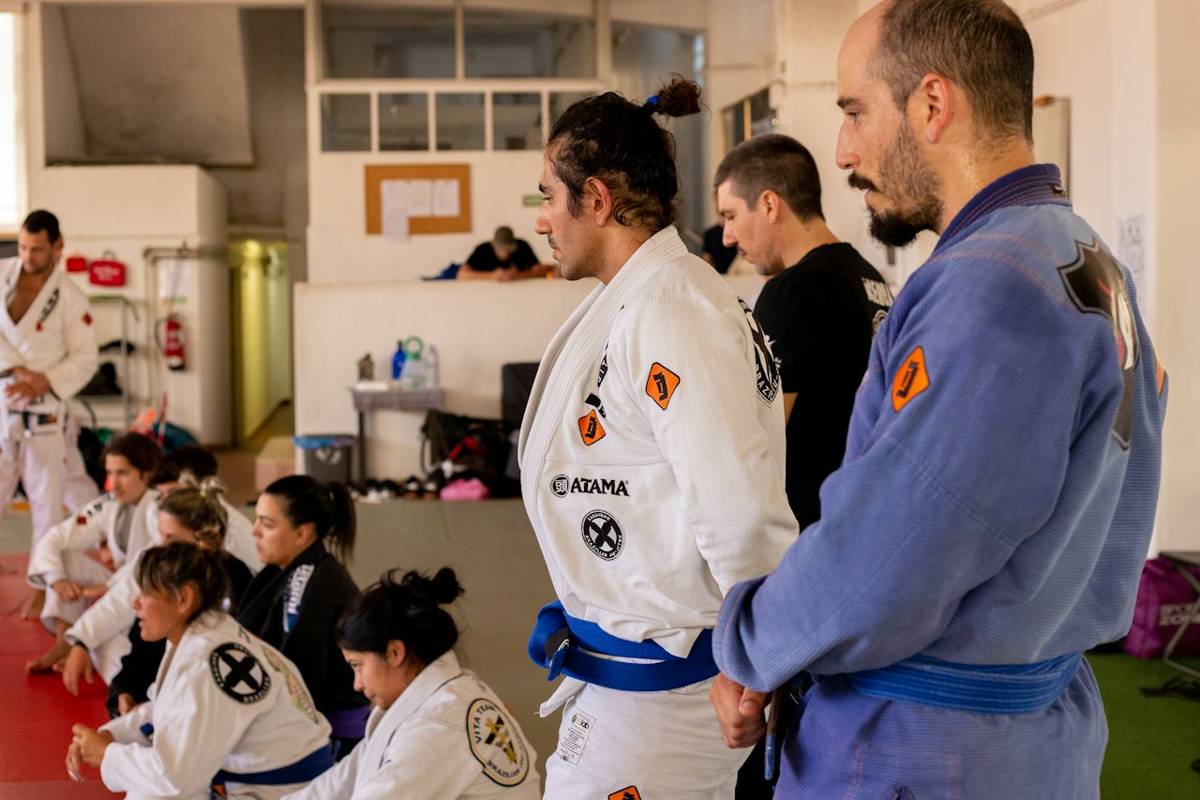
The first rule in BJJ is the tap. Children learn to tap their partner or the mat, or say “tap”, whenever something hurts, they feel stuck, or they want to stop, and to let go immediately when their partner taps. They also learn to stop when the coach says stop, to avoid techniques they have not been taught, and to roll at a calm pace. Explaining these rules at home before class can ease nerves.
Hygiene matters on the mat
BJJ is close contact, so clean habits protect everyone from skin infections such as ringworm and impetigo. Children should come to class in clean clothes, with trimmed nails, and wear flip-flops off the mat, never barefoot in the bathroom or lobby. After class, they should shower soon and put the gi or rash guard straight in the wash rather than leaving it in a bag. Check your child’s skin for red rings or sores and keep them off the mat until a doctor clears them. Good academies clean the mats every day and send children home if they spot a skin problem. Our guide to how to choose a BJJ gym covers more.
How parents should behave
Watch from the viewing area quietly. Avoid calling out instructions or comments during class, which can distract your child and the coach. If your child looks upset, let the coach handle it first. Afterwards, ask what they enjoyed rather than how they did.
Questions to ask the coach afterwards
Ask how the kids program is structured and how often your child should train, how they match partners by size and experience during rolling, what the belt and stripe system looks like at the academy, what monthly fees and any contracts involve, and how they handle hygiene and mat cleaning. A coach who answers clearly and warmly is usually a good sign.
After the first class
Children are often tired, sometimes a little sore and occasionally overwhelmed. Give it three or four classes before deciding whether BJJ is a fit. For gear advice, see BJJ gi vs no-gi and gear, and for the bigger picture read BJJ for kids and the BJJ profile.
Questions parents and students ask
What should my child wear to a first BJJ class?
Comfortable athletic clothes without zips, buttons or pockets, such as a T-shirt or rash guard and shorts or leggings. Many academies lend a gi for trial classes. Bring sandals and water.
Will my child roll on the first day?
Often not fully. Many coaches let new children join warm-ups, technique and games first, and add live rolling once the child knows how to tap and how to stay safe.
What is tapping in BJJ?
Tapping means tapping the partner or the mat two or three times, or saying 'tap', to signal 'stop'. Children learn to tap early and to let go immediately when a partner taps.