Capoeira
Brazilian art of music and movement
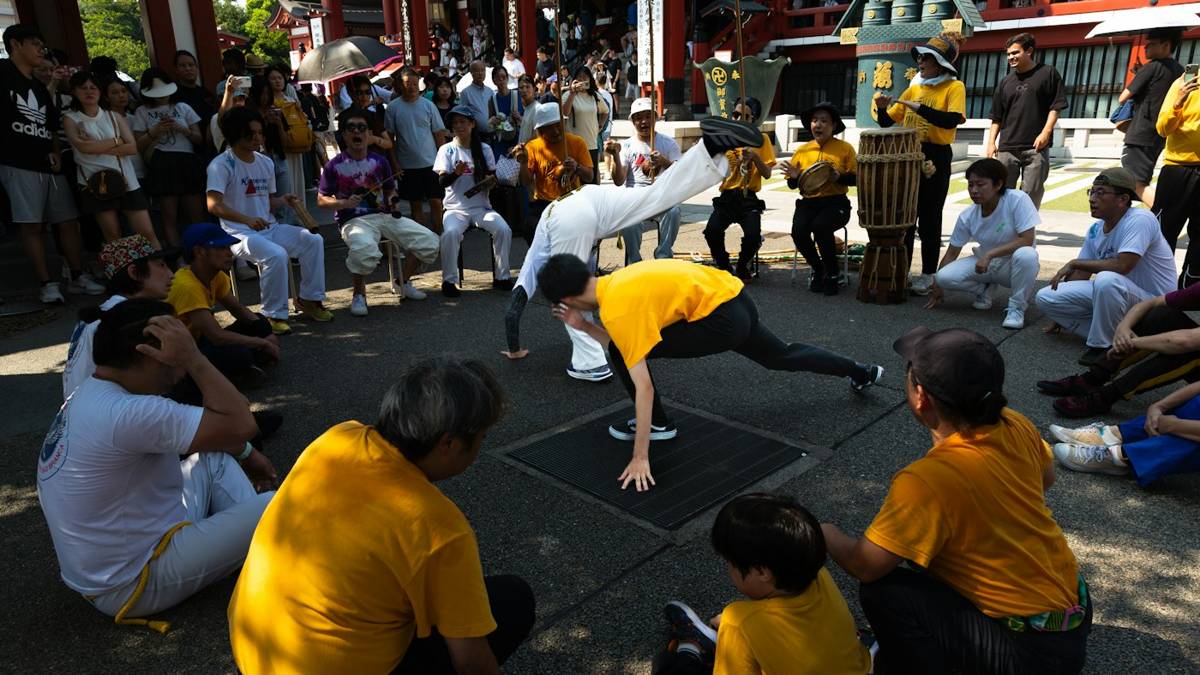
Kicks, acrobatics, music and song in a circle called the roda.
- Comes from
- Brazil
- Type
- Kicks, acrobatics and music
- Usual start
- About 4 to 6
- Olympic
- No
- Typical cost
- Often modest
- Ranks
- Colored cords, vary by group
In one minute
Capoeira was developed in Brazil by enslaved Africans and their descendants, blending fighting movements with music and dance. Players move constantly in a swaying step called the ginga, exchanging kicks, dodges and acrobatics.
Every session involves music: children learn to play instruments such as the berimbau and pandeiro and sing songs in Portuguese. For children who love rhythm and movement, few martial arts are more joyful.
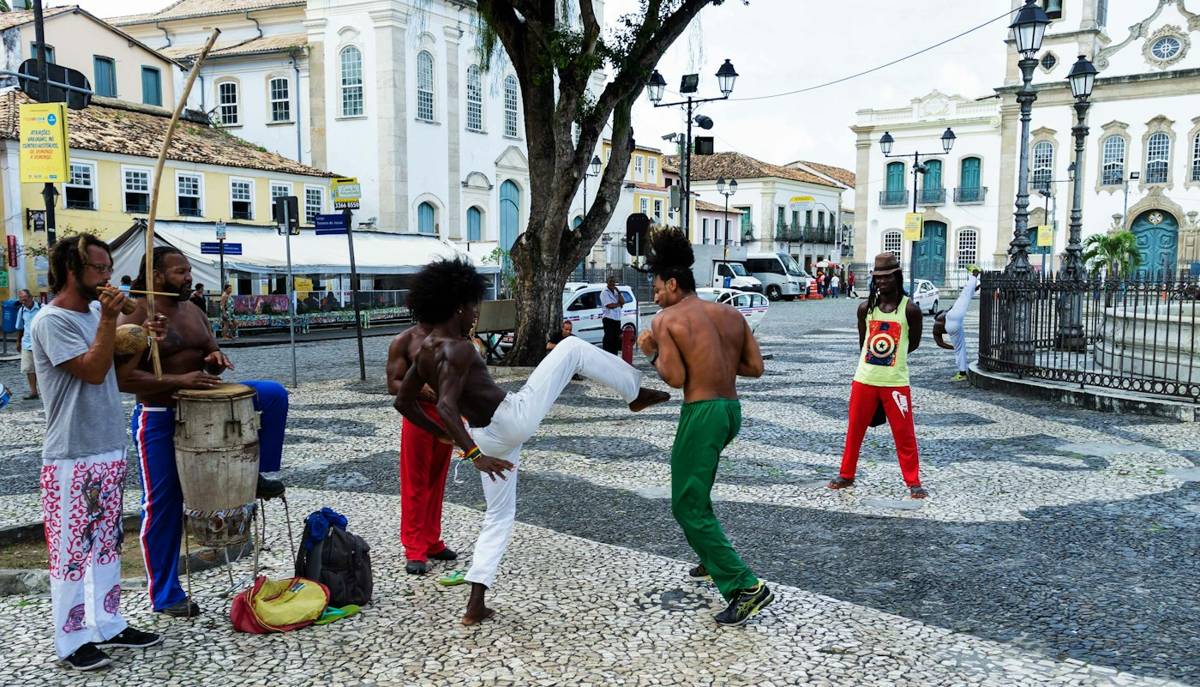
Inside a class
What a class looks like
A typical 60 minute kids class, minute by minute.
- 10 minWarm up and gingaThe basic swaying step
- 15 minKicks and dodgesMovements across the floor
- 10 minAcrobaticsCartwheels and handstands
- 10 minMusicInstruments and songs
- 15 minRodaPlaying in the circle
About 60 minutes in all.
Ranks and progress
Most groups use colored cords (cordas), awarded at a yearly ceremony called the batizado. Colors and order differ between groups.
- 1First cordGinga, basic kicks and songs
- 2Student cordsAcrobatics, instruments, playing the roda
- 3GraduatedLeading songs and helping teach
- 4Instructor and mestreAfter many years
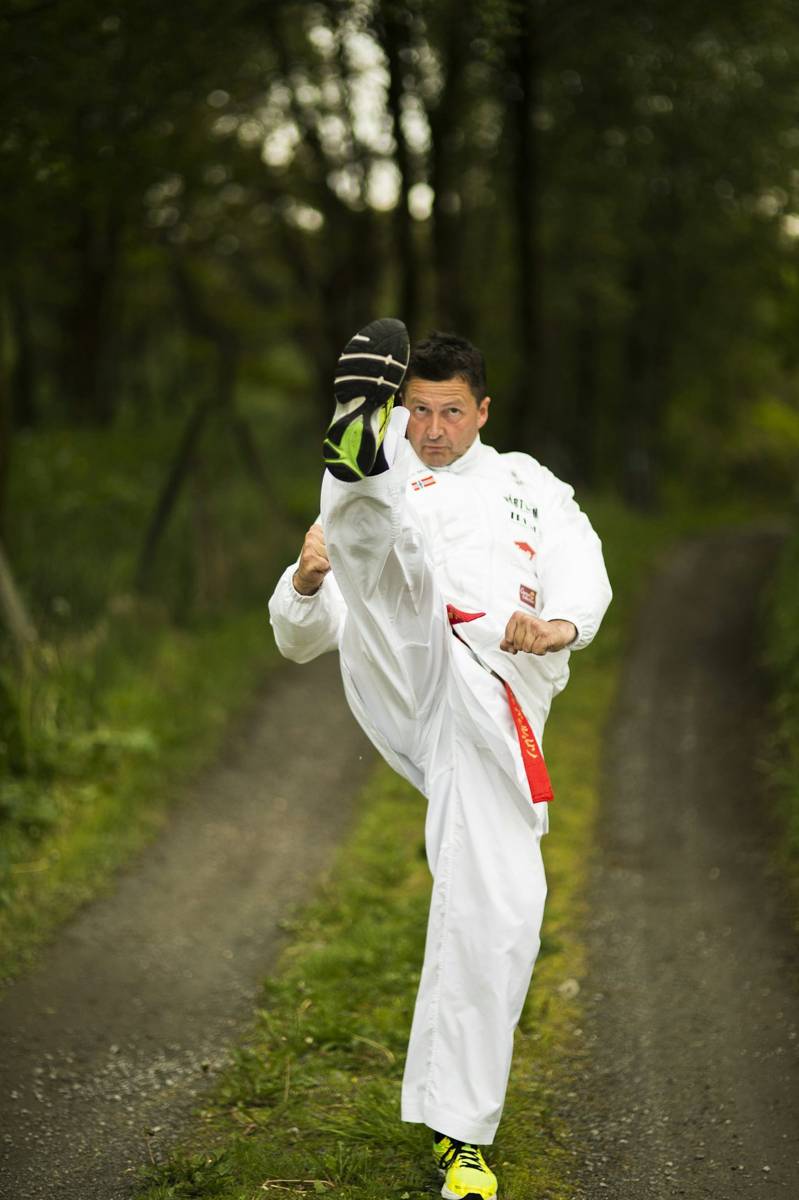
In pictures
A great fit for
- Kids who love music, dance and acrobatics
- Children who dislike contact
- Families interested in Brazilian culture
Think twice if
- Self-defense is the main goal
- Your child dislikes singing or performing
- You want frequent belt tests
Month by month
The first year of Capoeira
What a child training about twice a week usually learns. Every school sets its own pace.
- Weeks 1 to 4Ginga and first kicks
The ginga, the basic swaying step, plus simple escapes and kicks. Children also start learning songs and clapping rhythms.
- Months 2 to 3Music and the roda
Playing instruments such as the pandeiro, singing in Portuguese and first games in the roda, the circle.
- Months 4 to 8Cartwheels and the batizado
Cartwheels (au), handstands and more kicks. Many groups hold a yearly batizado where students earn their first cord.
- Months 9 to 12Smoother games
Faster games, simple sweeps and acrobatics, and more instruments, including the berimbau.
Safety and contact
Sparring
The game in the roda is light and playful for children, with kicks kept controlled.
Head contact
Kicks pass near the head but should not land on children.
Common injuries
Wrist strains from cartwheels, sprained ankles, occasional bumps.
Ask the school: Ask how acrobatics are taught and whether there is a separate kids class.
What it costs
Typical US ranges. Prices vary a lot by city and school.
| Monthly fee | $60 to $150 |
|---|---|
| Batizado (yearly event and cord) | $50 to $150 |
| Uniform (white pants and T-shirt) | $30 to $60 |
| Instruments | Optional, often lent by the group |
Gear and when you need it
Don't buy everything up front. Most of it waits until later.
| Comfortable clothes | First weeks |
|---|---|
| White abada pants and group T-shirt | Before the batizado |
| Bare feet | Always |
| Own pandeiro | Optional, later |
Signs of a good school
- A teacher with a recognized title in a known group
- Music and singing in every class
- Children's games kept playful and safe
- Acrobatics taught step by step
Red flags
- Rough games in the roda for kids
- No music or culture taught
- Pressure to buy expensive extras
- Cords handed out with no real progress
Words you'll hear in class
- Ginga
- The basic swaying step
- Roda
- The circle where capoeira is played
- Berimbau
- Bow-shaped instrument that leads the music
- Au
- Cartwheel
- Batizado
- Yearly ceremony for new cords
- Mestre
- Master teacher
Myths and facts
MythCapoeira is only dance.
FactIt is a martial art with kicks, escapes and sweeps, played to music.
MythYou need to be acrobatic to start.
FactChildren learn acrobatics slowly over months.
MythClasses are all in Portuguese.
FactTeaching is in English; songs and terms are in Portuguese.
MythIt is not real exercise.
FactIt is a hard workout for strength, flexibility and stamina.
Questions parents ask
What age can kids start capoeira?
Many groups take children from about 4 or 5.
Is capoeira good for kids with lots of energy?
Often yes. It is active, musical and playful.
How do capoeira ranks work?
Students earn colored cords, usually at a yearly batizado. Colors differ by group.
Find a Capoeira class near you
Search by ZIP code, see what's close, and use our checklist when you visit.
Find a classStart reading
Our guides to Capoeira, written for parents.
How it compares
Side-by-side guides for parents weighing Capoeira against other styles.
 Choosing a styleBest martial art for kids: an honest comparison for parentsTaekwondo, karate, Brazilian Jiu-Jitsu, judo, kung fu, wrestling and kickboxing compared for children: what each one teaches, starting ages, costs, safety and which kind of child each style suits.Choosing a styleMartial arts vs team sports for kids: which is the better choice?Should your child do martial arts or a team sport like soccer or basketball? How they compare for fitness, confidence, social skills, cost, schedules and the kind of child who thrives in each.
 Your childMartial arts for shy kids: building confidence without pressureCan martial arts help a shy or anxious child? How classes build confidence, which styles and schools suit quiet children, how to handle the first class, and the warning signs of a bad fit.