| Karate | Judo | |
|---|---|---|
| Type | Striking: punches, kicks, blocks | Grappling: throws, falls and pins |
| Solo routines | Kata are central to every belt | Little solo work; kata only for older students |
| Live practice | Point sparring with light contact, after a few belts | Randori (free practice) with a partner from early on |
| Falling | Rarely taught | Breakfalls taught from the first class |
| Close contact | Low; partners keep their distance | High; gripping and throwing all class |
| Junior black belt | Often about 3 to 5 years | Minimum age in the mid-teens |
| Olympic | Only at Tokyo 2020 | Yes, since 1964 |
| Typical cost | About $100 to $250 a month at commercial schools | Often much less at nonprofit clubs |
Pick by goal
- Dislikes being grabbedKaratePartners stay at arm's length most of the time.
- Self-defense if shovedJudoBalance, throws and safe falling.
- Needs calm structureKarateKata and etiquette reward patience.
- Tight budgetJudoVolunteer clubs often charge very little.
On this page
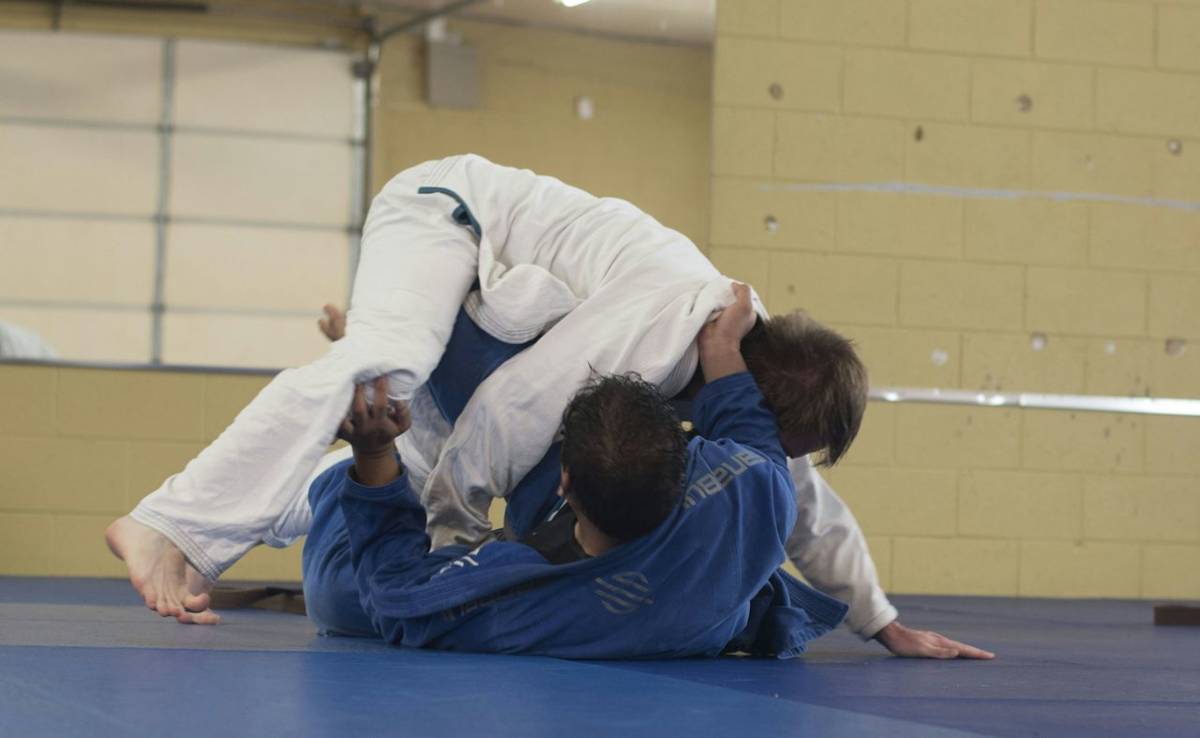
Karate and judo both come from Japan, both use white uniforms and colored belts, and both bow on and off the mat. That is roughly where the similarity ends. Karate is a striking art built around punches, kicks, blocks and solo routines called kata. Judo is a grappling art built around throws, falls and pins, practised against a partner who is trying to do the same to you. For a parent, the choice often comes down to how your child feels about close contact and what you hope they will get out of it.
This guide compares the two directly. For more on each, see our guides to karate for kids and judo for kids, or the comparison of all the main styles.
What children actually do in class
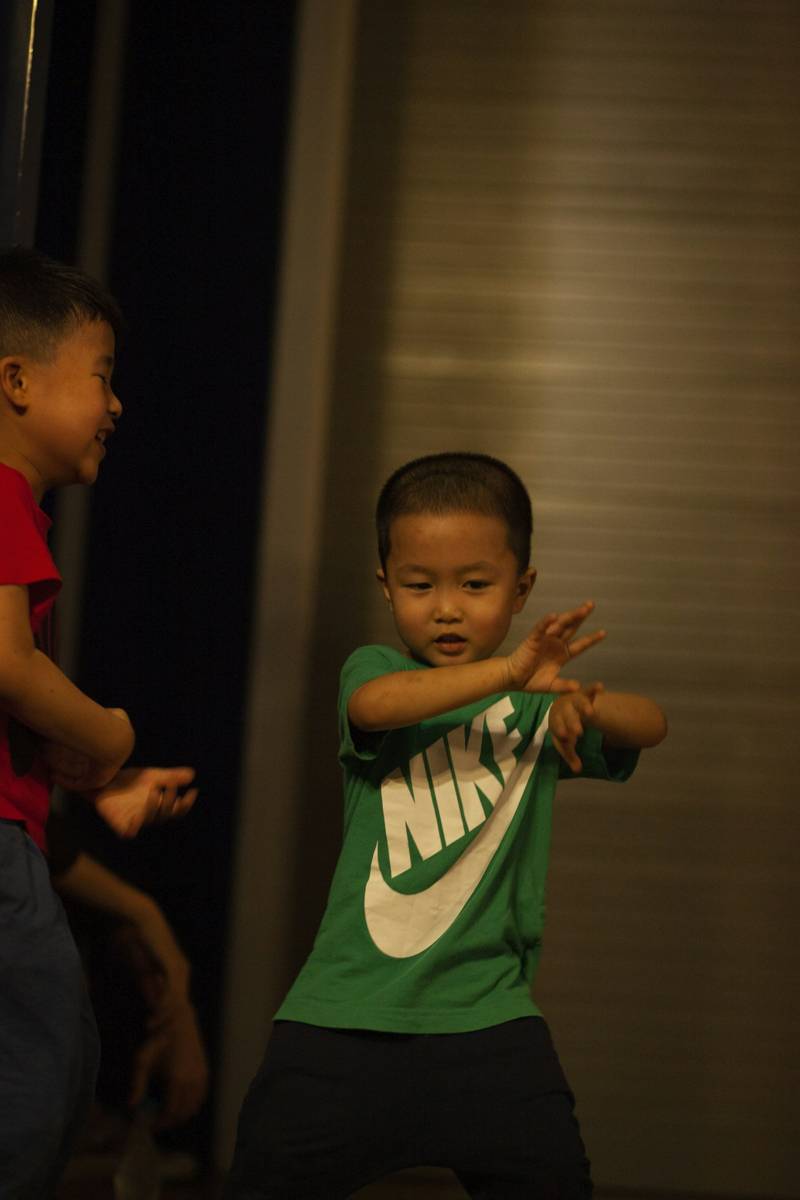
A children’s karate class usually starts in lines, with the instructor calling out techniques and the class punching, kicking and blocking in unison. Then come drills with pads or partners, practice of the kata needed for the next belt, and, a few belts in, some light point sparring. There is a strong emphasis on stance, posture and doing techniques precisely. Partners touch, but mostly at a distance.
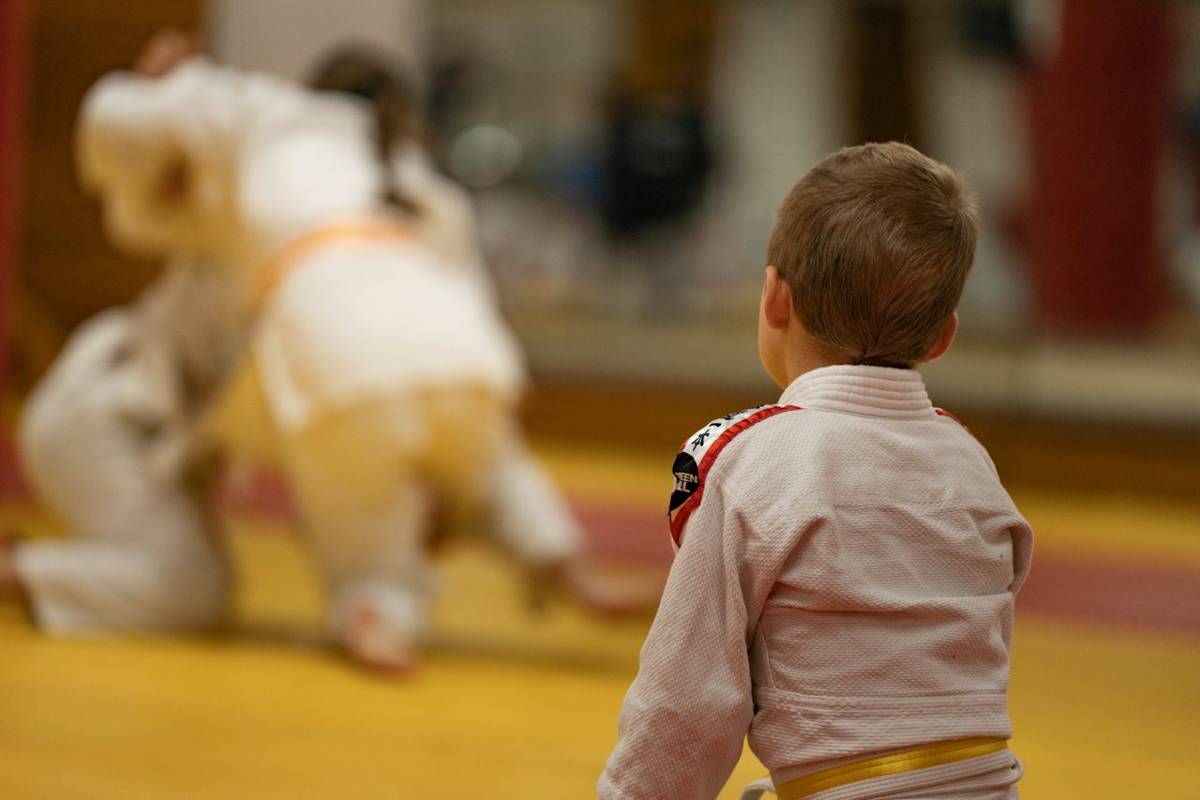
A children’s judo class starts with warm-ups and falling practice, then moves to throws, which are drilled over and over with a cooperative partner, and ground work such as pins and escapes. Most classes end with randori, free practice in which children try their techniques against a resisting partner of a similar size. From the first weeks, judo is hands-on, and children spend much of the class gripping, pulling and landing on the mat.
Live practice and self-defense
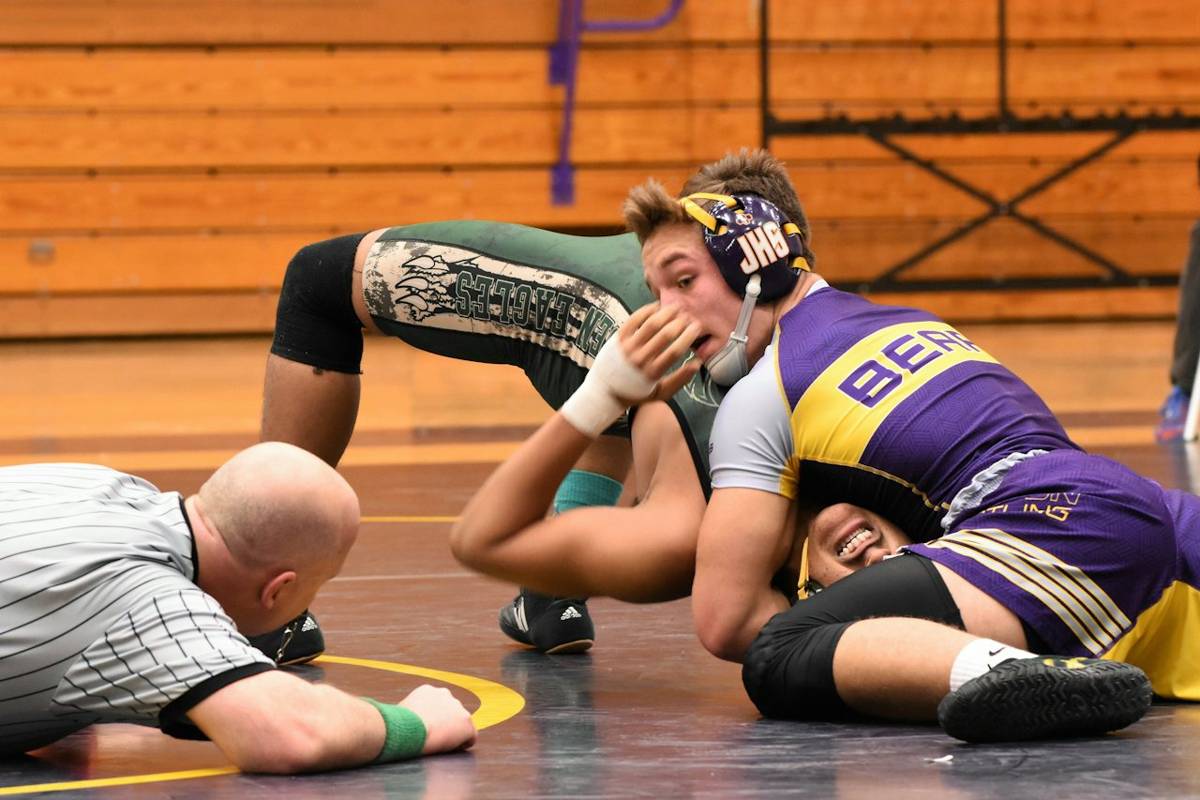
The biggest practical difference between the two is how much of the training is done against real resistance. In judo it happens in almost every class, which means children quickly learn what works when someone is pushing back. That is the main reason grappling arts are so often recommended for self-defense and for children dealing with bullying: most schoolyard trouble is shoving, grabbing and wrestling, and a child who can keep their balance, fall safely and hold someone down without hitting them is well equipped.
Karate’s self-defense value varies a lot from school to school. A dojo with regular, controlled sparring and practical drills teaches distance, timing and composure under pressure. A dojo that rarely spars teaches excellent fitness and discipline, but less that transfers to a real scuffle. If self-defense is a priority, ask how often children spar and watch a sparring session before you join.
Falling
Judo teaches children how to fall before it teaches them how to throw. Breakfalls backward, sideways and forward, and rolling falls, become automatic after a few months, and parents often notice the benefit outside the dojo, on bikes, ice and playgrounds. Karate rarely teaches falling in any structured way, because karate students are not usually thrown.
Belts and progress
Karate belt systems vary between styles and schools, but most children’s programs offer a new belt or stripe every few months, with a formal test that includes basics, kata and sometimes sparring. Many schools award a junior black belt after roughly three to five years of steady training. Our karate belts guide shows a common order.
Judo promotions tend to be slower and less formal, often decided in class, and fees are usually modest. Black belt has a minimum age in the mid-teens, so a child who starts at six will spend many years in the junior colored belts. That slower pace suits children who are motivated by the sport itself; children who need frequent rewards may prefer karate’s rhythm.
Competition
Karate competition for children is usually point sparring and kata, held at local tournaments and through national organizations. Karate appeared at the Olympics only once, at Tokyo 2020, and is not on the program for later Games. Judo has been an Olympic sport since 1964 and has a clear competitive ladder from local club tournaments upward, with divisions by age and weight. In both, competition is optional at most schools.
Safety
Both arts are reasonably safe for children in a well-run class. Karate’s risks are mostly bumps and sprains, plus occasional knocks in sparring, which protective gear and strict control rules keep low. Judo’s risks are mostly sprains and bruises from falls, which the emphasis on breakfalls keeps manageable. In judo, chokes and armlocks are not allowed for young children and are introduced only in the teenage years under strict rules.
Cost
Commercial karate schools in most American cities charge somewhere around $100 to $250 a month for children, plus testing fees and sparring gear, while small traditional clubs can be much cheaper. Judo is often one of the best values in martial arts because so many clubs are nonprofits run by volunteers in community centers, YMCAs and universities. Expect a judo gi and usually a yearly national membership fee. To compare real quotes, try our cost calculator.
Which should your child choose?
Choose karate if your child likes routine and clear goals, enjoys working on technique and forms, or is uncomfortable being grabbed and held. Choose judo if your child is active and physical, loves wrestling around, would benefit from learning to fall, or if a strong self-defense foundation and low cost are priorities. If you are still unsure, our six-question quiz can help, and a trial class at each will tell you more than any comparison. Watch your child’s face on the drive home.
Typical ranges at reputable schools. Taekwondo and karate award junior black belts to children; judo and BJJ set minimum ages for black belt.
Questions parents and students ask
Is karate or judo better for self-defense?
For most children's real-life situations, which involve shoving, grabbing and wrestling rather than punches, judo's balance, throws and falling skills are more directly useful. Karate's value depends heavily on the school and how much live sparring it includes.
Is judo too rough for a young child?
Not in a good class. Young children spend a lot of time on games, balance and learning to fall, and throws are practised with cooperative partners before any free practice. Chokes and armlocks are not taught to young children at all.
Can a child do karate and judo at the same time?
Yes. They complement each other well, since one covers striking and the other grappling. If your child trains twice a week, one class of each is a reasonable plan, though progress in each will be slower.