On this page
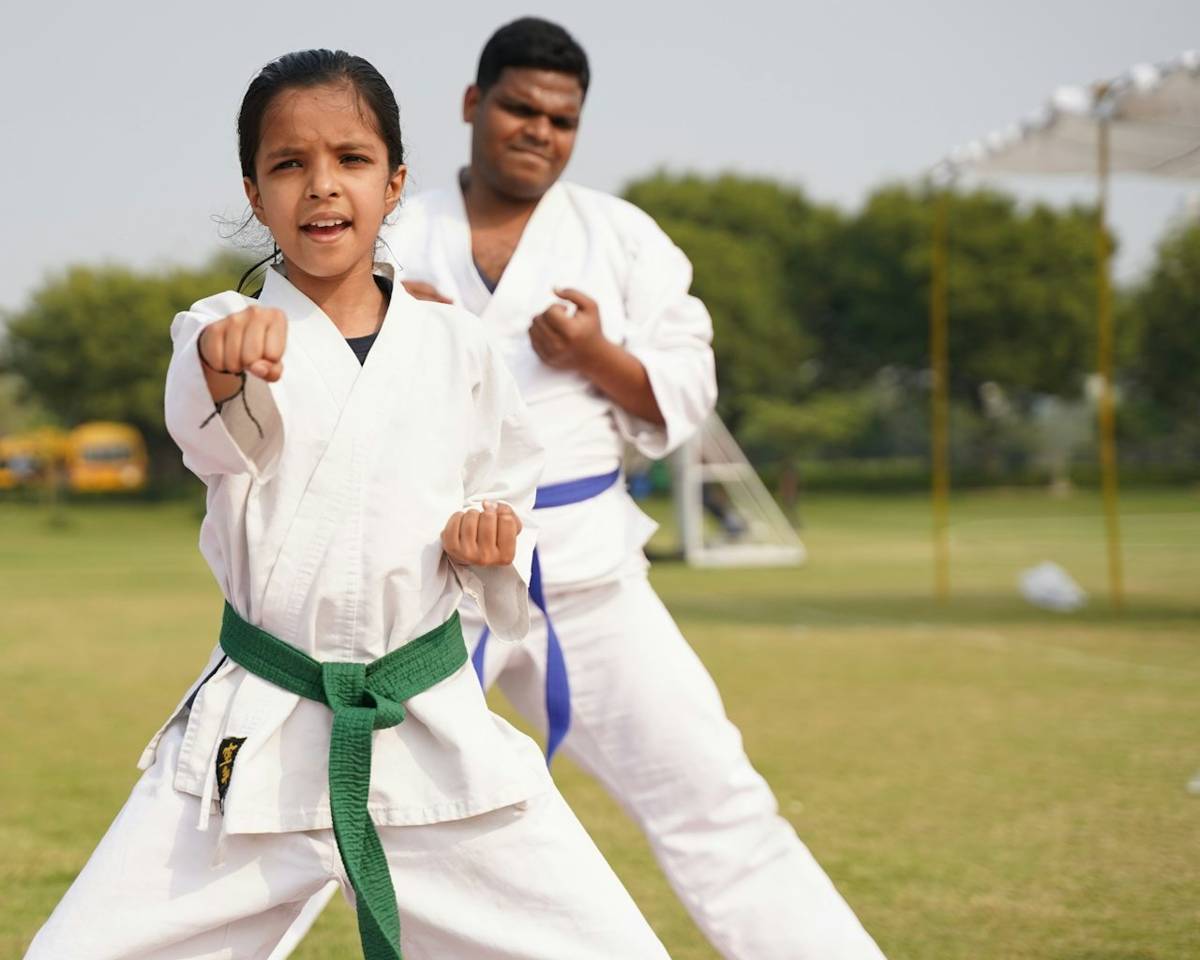
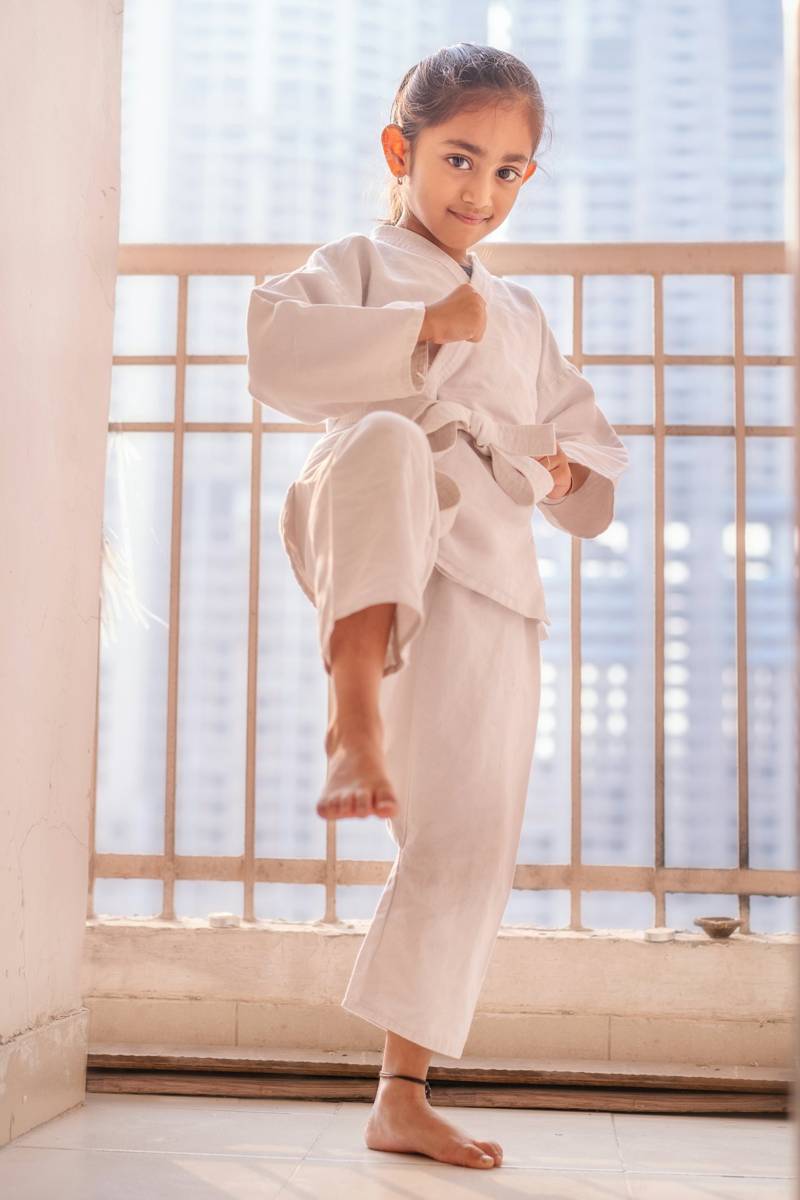
Karate is the martial art most people picture first: a white uniform, a colored belt tied at the waist, a sharp shout as a punch lands. It is also one of the most popular activities for American children, with dojos in almost every town. For many families it is the first martial art they try, and for good reason. Karate is structured, calm and built around self-control.
This guide explains what karate actually involves for a child, from the styles and belts to sparring and costs, so you know what you are signing up for.
Where karate comes from
Karate developed on Okinawa, an island kingdom between Japan and China, blending local fighting methods with Chinese martial arts. It spread to mainland Japan in the early twentieth century and then around the world after the Second World War. The name means “empty hand”, meaning fighting without weapons.
The main karate styles
Karate is not one system but a family of styles, each with its own forms and emphasis. The ones you are most likely to find are Shotokan, known for long, deep stances and powerful straight techniques; Goju-ryu, which mixes hard and soft movements and close-range techniques; Shito-ryu, with a very large number of kata; and Wado-ryu, which uses body movement and evasion influenced by jujutsu. Kyokushin is a full-contact style known for tough sparring with hard body strikes and kicks. Many American schools also teach their own blended or “American” karate.
For a young child, the differences between the traditional styles matter much less than the quality of the teacher. The exception is Kyokushin and other full-contact styles, which spar much harder and suit tougher, older children.
What a kids’ karate class looks like
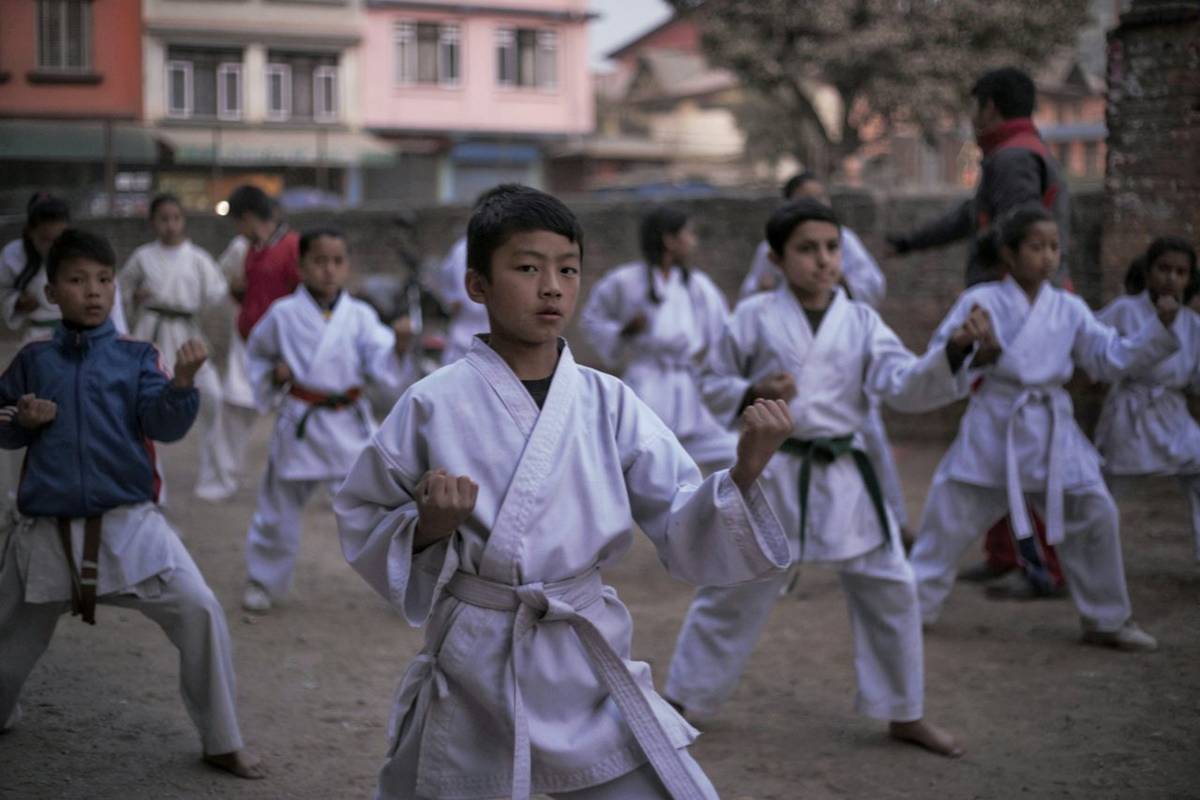
A typical class starts with a bow, a warm-up and stretching. Then come kihon, the basics: stances, punches, blocks and kicks practised in lines, often counted in Japanese. Next is kata, set sequences of moves performed alone, which children learn one at a time as they progress. Many classes finish with partner drills or, for older and more advanced children, kumite (sparring), and end with a bow and sometimes a short talk about values such as respect or perseverance.
Karate classes put a lot of weight on etiquette: bowing when entering the dojo, addressing the instructor as sensei, lining up by rank and sitting quietly when not training. Many parents find this structure is one of the biggest benefits for their child.
Belts and grading
Most karate schools use a series of colored belts, often divided into ten levels called kyu counting down to black belt, which is called shodan (first dan). Colors and order vary between styles and schools, but white, yellow, orange, green, blue, purple and brown are common. Children usually test, or “grade”, every few months at first. Black belt typically takes around four to six years of steady training at a good dojo, and many dojos award a junior black belt to children.
Sparring and competition
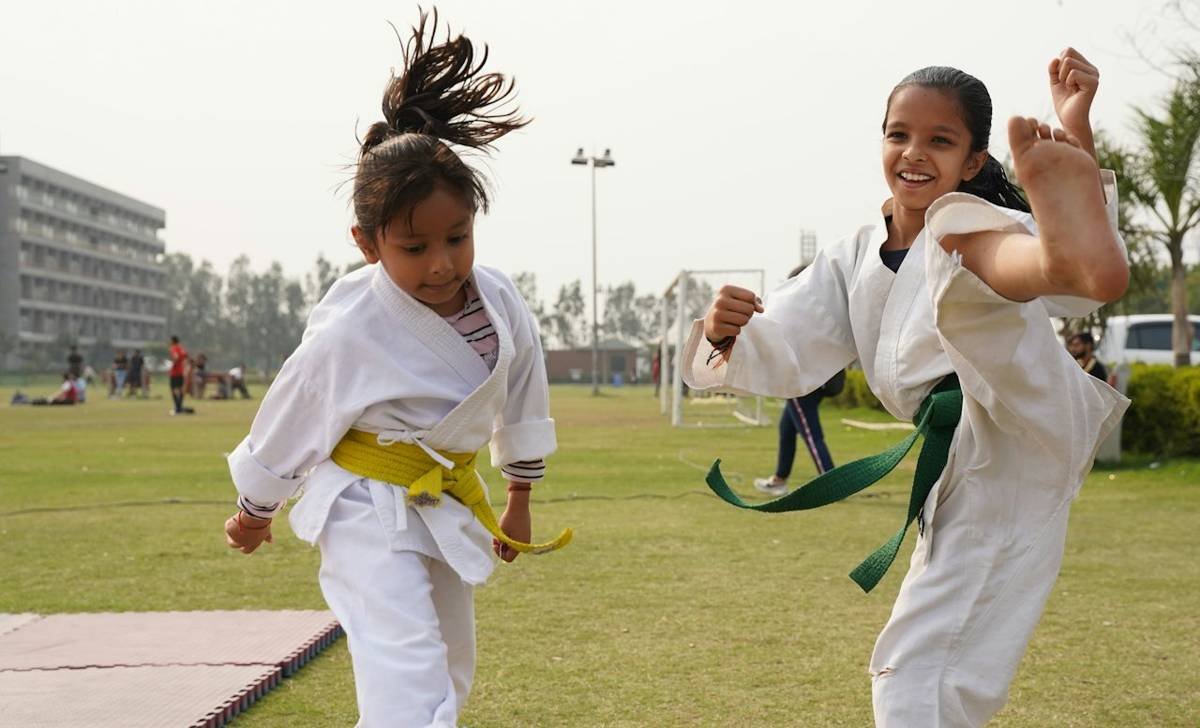
Children’s karate sparring in most styles is point-based and light-contact: competitors score with controlled punches and kicks, and too much contact is penalised. Children wear protective gear such as gloves, mouthguards and often foot, shin and body protectors, and head contact is strictly controlled. Kata is also a competition event, judged on accuracy, power and timing, which suits children who prefer performing to sparring.
Karate was an Olympic sport at Tokyo 2020 but was not continued for later Games. The World Karate Federation runs the international sport, and USA Karate is the national governing body, with youth tournaments around the country.
Benefits for children
Karate builds coordination, balance, strength and flexibility, and the formal structure helps many children practise focus and self-control. Kata develops memory and patience. Light-contact sparring teaches timing and courage in a controlled setting. And the steady ladder of belts gives children achievable goals and a real sense of progress.
What it costs
Commercial dojos typically charge similar prices to Taekwondo schools in the same area, commonly about $100 to $250 a month, with grading fees and a uniform extra, plus sparring gear later. Small traditional dojos and community programs can be much cheaper. See our cost by style guide.
How to choose a karate dojo
Watch a regular children’s class. Look for an instructor who knows the children by name, keeps them moving and corrects technique kindly. Ask which style the dojo teaches, which organization the instructor’s rank comes from, how often gradings are held and what they cost, and when sparring begins. Check that advanced students look sharp and respectful. Our guide to the warning signs of a bad school lists the red flags.
Wondering how karate compares to other styles? Read karate vs Taekwondo and karate vs BJJ.
Questions parents and students ask
What age can kids start karate?
Many dojos take children from about four or five in a beginners' class, and some run preschool classes from three. Traditional dojos sometimes prefer to start children at six or seven.
How long does it take a child to get a black belt in karate?
At a good dojo, usually around four to six years of steady training, and many dojos award a junior black belt to children that converts to an adult rank later. Very fast black belts are a warning sign.
Which karate style is best for kids?
The style matters less than the instructor. Shotokan, Goju-ryu, Shito-ryu and Wado-ryu are all common for children and spar with light contact. Kyokushin is a full-contact style that suits tougher, older children.