| What to know | |
|---|---|
| Divisions | By age group, belt and weight |
| Match length | Short, a few minutes, shorter for younger kids |
| Points | Takedowns, sweeps, guard passes, mount and back control |
| Winning | Submission, or most points at the end |
| Banned for kids | Dangerous techniques such as slams, heel hooks and neck cranks |
| Weigh-in | Often in the gi, sometimes right before the first match |
Pick by goal
- First tournamentA local kids-only eventShorter day, friendlier atmosphere.
- Nervous childGo to watch firstSeeing it removes the mystery.
- Unsure of weight classWeigh in the gi at homeAvoid surprises at check-in.
- Wants more matchesEnter gi and no-giTwo divisions on one day.
On this page
BJJ tournaments are a big part of jiu-jitsu culture, and many academies encourage children to try competing once they are comfortable rolling. A first tournament can be exciting and nerve-racking for children and parents alike. Here is how it works.
Divisions
Children compete in divisions by age group, belt and weight. A grey belt eight-year-old will face other grey belts of a similar age and weight, not a green belt teenager. Small divisions are sometimes merged, so check the brackets when they are posted, usually a few days before. Gi and no-gi divisions are separate, and many children enter both.
How matches work
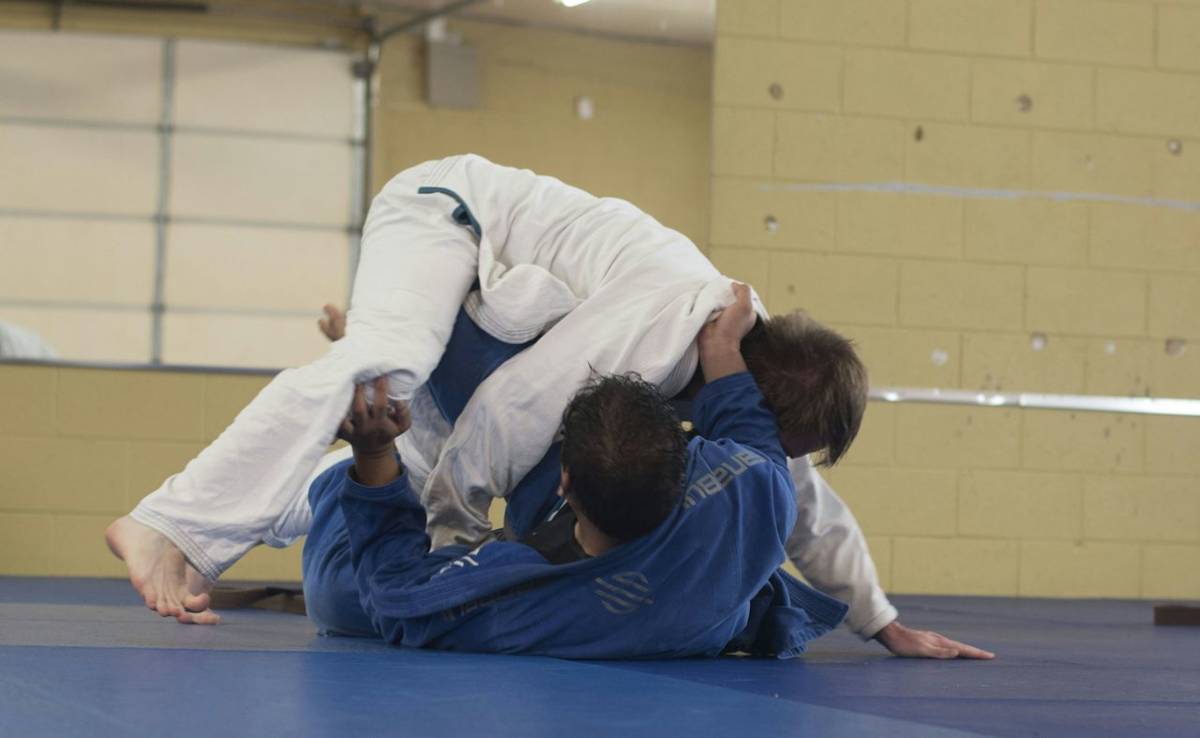
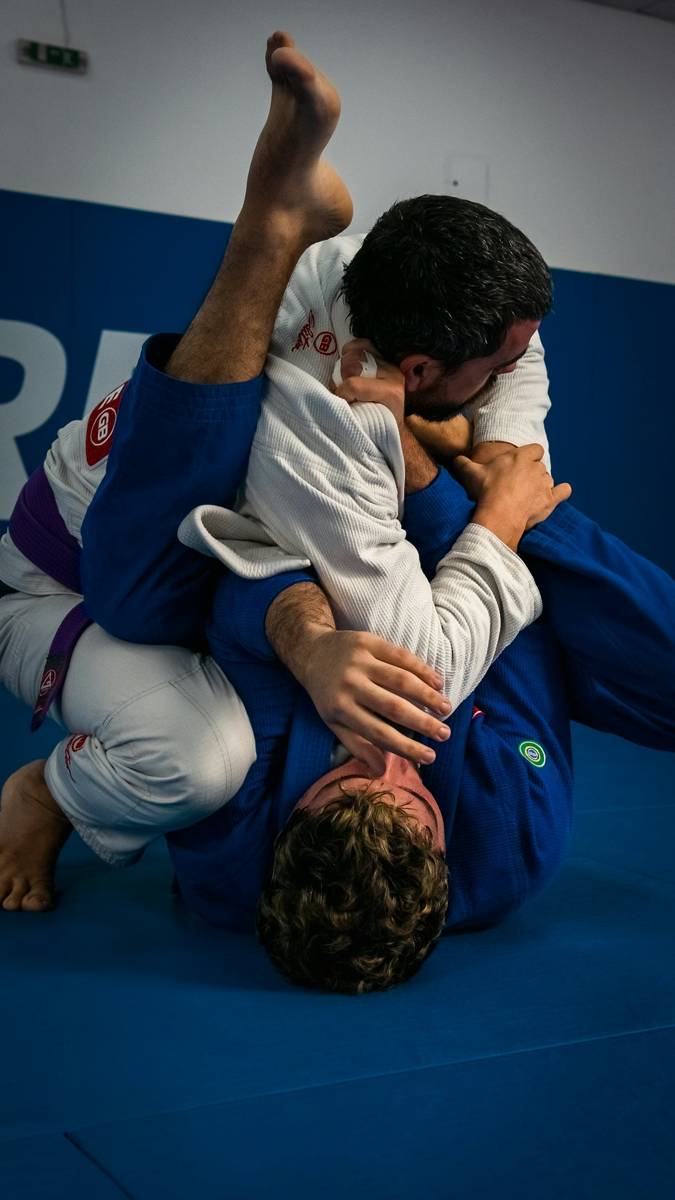
Kids’ matches are short, typically a few minutes, and shorter for the youngest age groups. A child wins by submission, which makes the opponent tap, or by having more points when time runs out. Points are awarded for takedowns, sweeps, passing the guard, and reaching dominant positions such as mount and back control. Advantages, given for nearly scoring, break ties. Our guide to BJJ words explains the positions.
Safety rules for children
Federations ban dangerous techniques for children, such as slams, heel hooks and neck cranks, and restrict others by age and belt. Referees stop matches quickly if anything looks unsafe, and coaches tell children to tap early. Check the rule set for the event you enter, since different organizations differ in the details. Our guide to the safest martial arts covers BJJ injury risks.
Weigh-ins and check-in
Many tournaments weigh children in their gi, sometimes just before their first match, and a child who is over the limit may be disqualified or moved. Weigh your child in their gi at home a few days before. Children should never cut weight; if they are close to a limit, enter the next division up. Bring the gi that meets the event’s rules, since some require specific colors or patches.
Costs
Entry fees for local events commonly run around $60 to $120, often more for a second division, and some federations require an annual membership. Add spectator fees, travel and food. Our cost calculator includes a line for events, and how much BJJ costs covers the rest of the budget.
On the day
Arrive early, check in and find your child’s mat. Bring water, snacks, a change of clothes, flip-flops for walking off the mats and something to pass the time; tournaments involve a lot of waiting. Let the coach do the coaching and keep your own cheering positive. Afterward, praise effort and courage, and ask what they learned, whether they won or lost.
Is your child ready?
Children usually compete once they have trained for a few months, can roll comfortably and want to try. Ask the coach. If your child is unsure, go to watch a tournament first. Our general guide to kids martial arts tournaments has more tips.
Questions parents and students ask
How are kids matched in BJJ tournaments?
Usually by age group, belt rank and weight, so a beginner of a certain size and age faces others like them. Organizers sometimes combine small divisions, so check brackets once they are posted.
Are submissions allowed in kids BJJ competitions?
Many submissions are allowed, but federations ban dangerous techniques for children and restrict others by age and belt. Referees stop matches quickly if anything looks unsafe, and children are taught to tap early.
Does my child need to cut weight for BJJ tournaments?
No, and they shouldn't. Children should compete at their natural weight. If your child is near the limit, enter the next division up.