Pick by goal
- First tournamentA small local eventShorter day, friendlier atmosphere.
- Nervous childForms onlyNo opponent, a gentler start.
- Loves competitionRegular local eventsExperience matters more than medals.
- Not interestedSkip itCompetition is not required to progress.
On this page
Sooner or later, your child’s school will hand out a flyer for a tournament. Some children can’t wait; others are terrified at the thought. Either way, a first competition can be a great experience if parents know what to expect.
Types of events
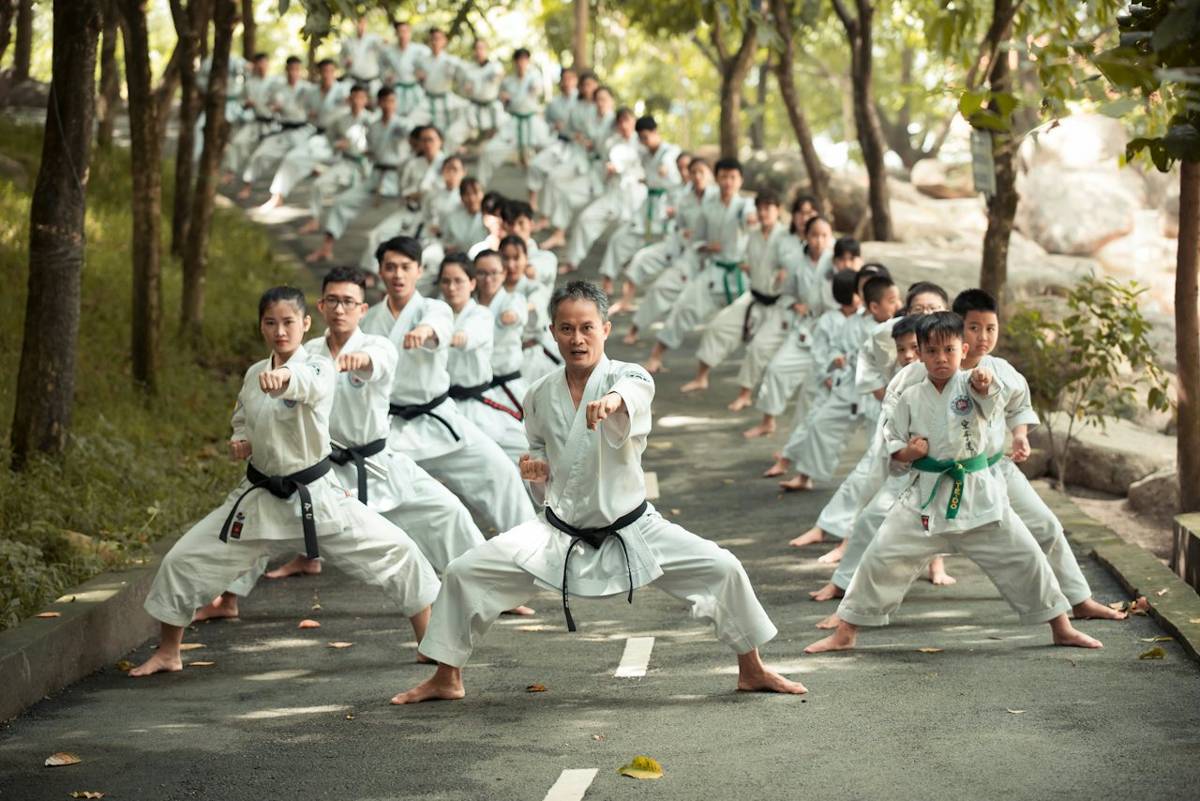
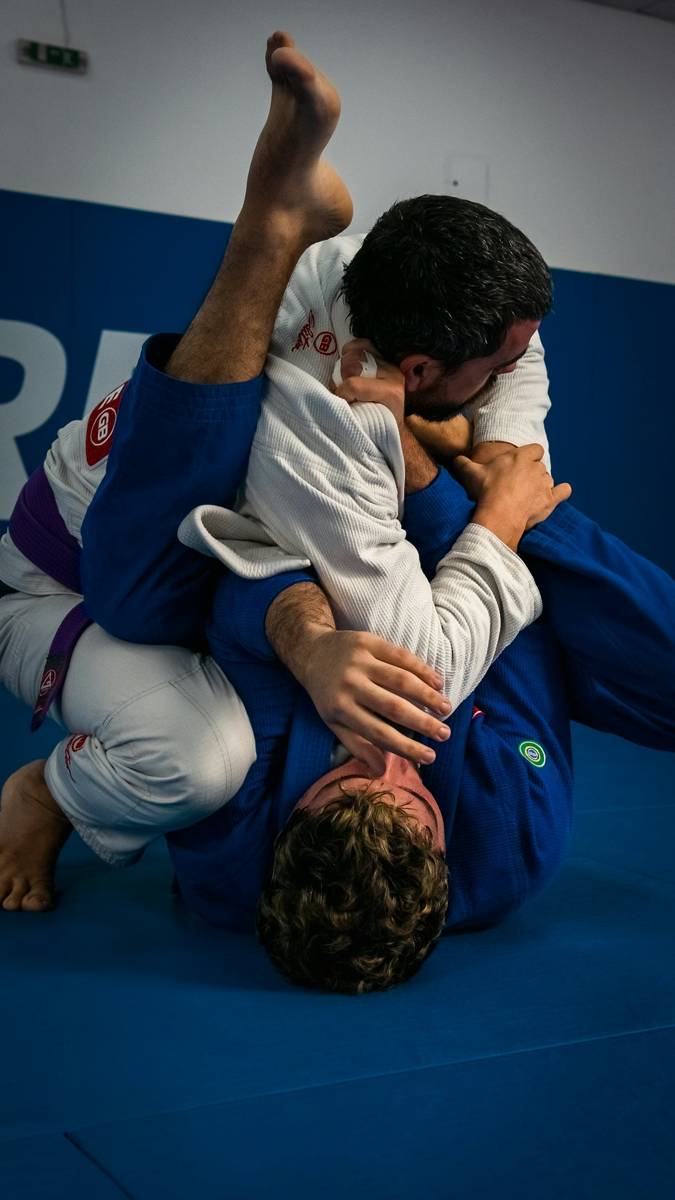
What a tournament looks like depends on the style. Taekwondo and karate tournaments usually include forms, where children perform a routine for judges, and sparring, often with electronic or point scoring. Some also have board breaking or weapons divisions. Judo, BJJ and wrestling tournaments are matches against an opponent, won by throws, pins, points or submissions. Kung fu and wushu events focus mainly on forms.
How children are grouped
Children compete in divisions by age, and usually by weight and belt or experience too, so a beginner faces other beginners of a similar size. Forms divisions are usually by age and belt. Ask the organizer or your instructor which division suits your child.
Costs
Expect an entry fee for each division, commonly from about $40 to over $100 at local events, plus spectator fees at some venues, travel, parking and food. National events cost more. Some schools also charge a coaching fee for instructors who attend. Our cost calculator includes a line for events.
What to pack
Bring the uniform and belt, all required protective gear (check the rules beforehand), a mouthguard, water, snacks and lunch, something to pass the time, a change of clothes and a folding chair if the venue is big. Label everything. Arrive early for check-in and, at grappling and wrestling events, weigh-ins.
What the day is like
Tournaments are long. There is a lot of waiting, a few minutes of performing or competing, and then more waiting for results. Gyms are noisy and crowded. Divisions run in rings or on mats, and it is easy to miss your child’s turn, so stay close to the right area and listen for announcements.
Supporting your child
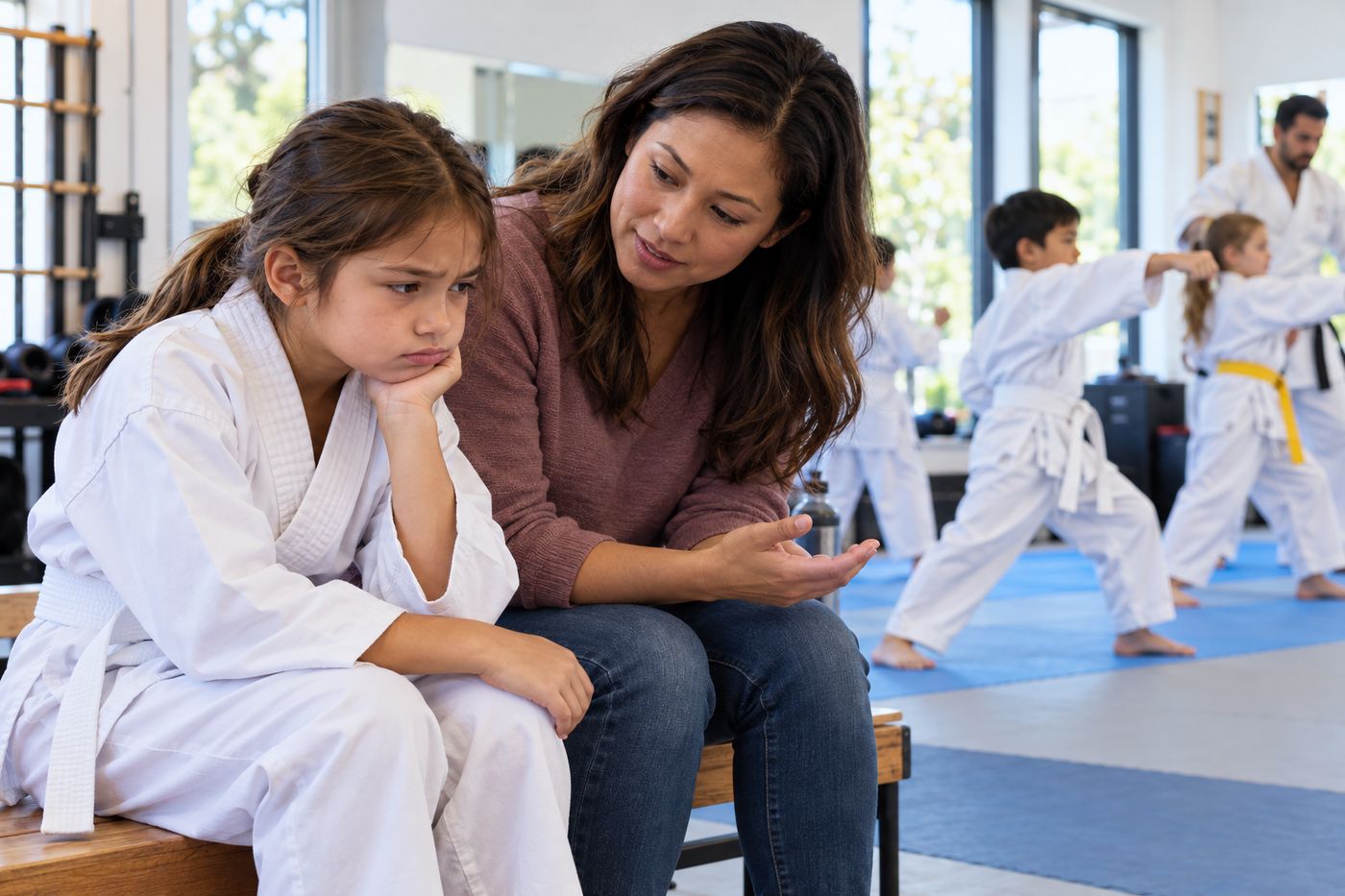
Make sure your child genuinely wants to compete. Talk beforehand about what will happen and that nerves are normal. On the day, keep them fed, hydrated and calm. Cheer, but leave the coaching to the instructor. Afterward, praise effort, courage and sportsmanship whatever the result. Ask what they enjoyed and what they learned, not just whether they won.
When to skip it
Competition is optional. If your child is anxious, not interested or still new, there is no need to push. Some children start with a forms-only division, which has no opponent, before trying sparring or matches. Our guide to shy children in martial arts has more ideas for gentle steps.
Questions parents and students ask
Does my child have to compete?
At almost all schools, no. Competition is optional and is not required for belts. Some children love it; others never compete and still progress well. Let your child decide.
What age can kids start competing in martial arts?
Many local tournaments have divisions from about age 5 or 6, especially for forms. Sparring and grappling divisions are grouped carefully by age, weight and experience. Your child's instructor can tell you when they are ready.
How much does a martial arts tournament cost?
Entry fees for local events commonly run from about $40 to over $100, sometimes more for extra divisions, plus spectator fees, travel and food. Bigger regional and national events cost more.