Pick by goal
- Working parentsAfter-school programPickup, homework time and classes in one.
- Trying martial artsA one-week campA low-commitment taste of training.
- Active birthdayDojo partyGames, kicks and board breaking.
- Already a studentHoliday campExtra training and fun with friends.
On this page
Martial arts schools have become much more than evening classes. Many now run summer and holiday camps, birthday parties and after-school programs that pick children up from local schools. For families, these can be a convenient, active option; for schools, they are a big part of the business. Here is what to expect and what to check.
After-school programs
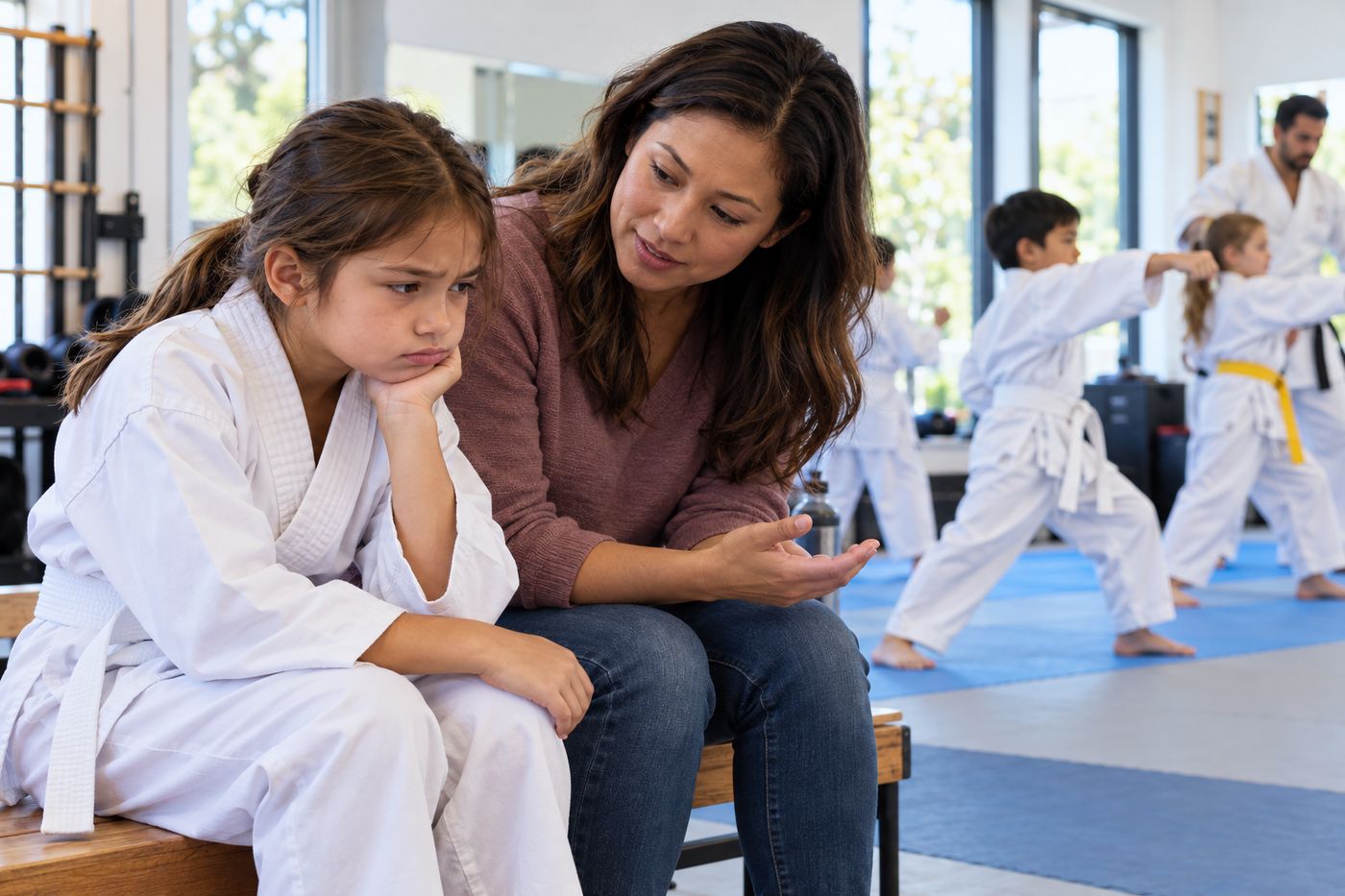
An after-school program usually picks children up from nearby schools by van or on foot, then offers a snack, homework time, games and one or more martial arts classes until parents collect them in the early evening. For working families, it can replace separate childcare and classes at a combined price. Children often progress quickly because they train most days.
Before signing up, check the pickup arrangements and who drives, the ratio of staff to children, background checks and first aid training, and whether the program is licensed as childcare where your state requires it. Ask for a typical afternoon schedule and how homework time works. Visit during program hours if you can.
Summer and holiday camps
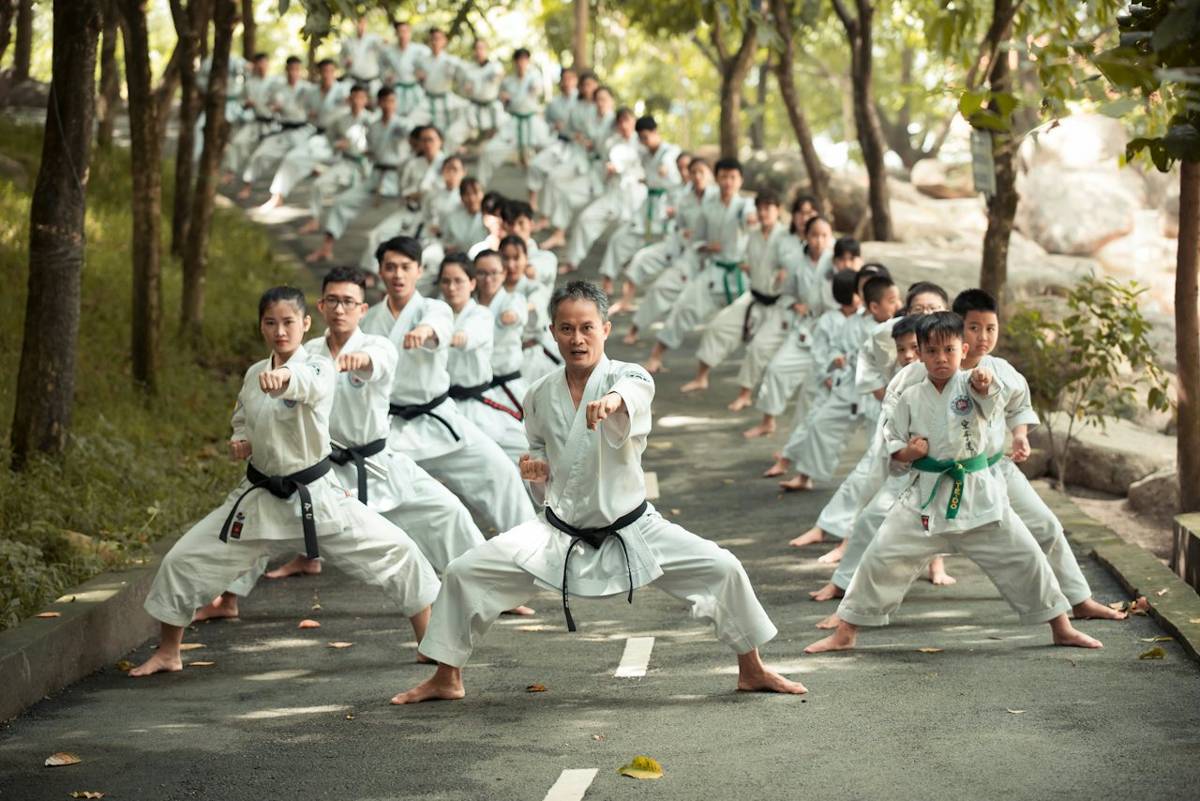
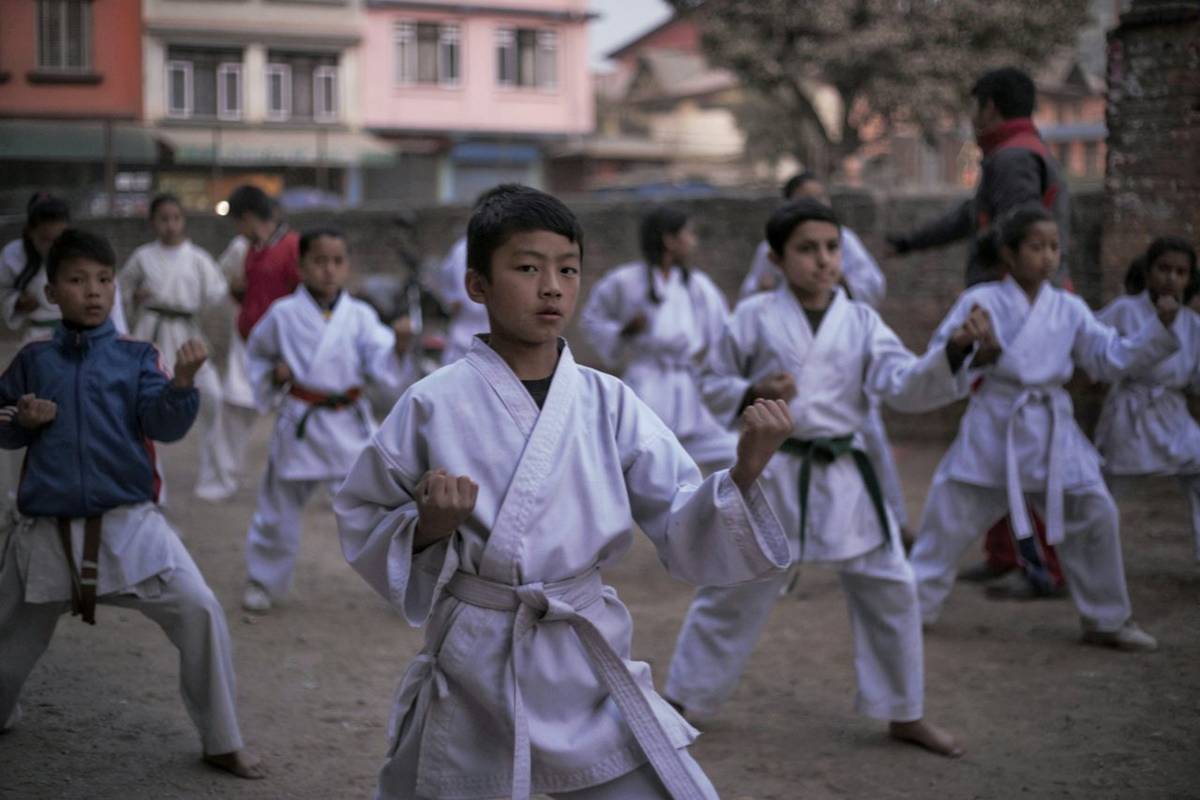
Camps run for a week or more during school breaks, with full or half days of martial arts, games, crafts and sometimes field trips. They are a good way for a child to try martial arts without a long commitment, and for current students to train more and have fun with friends. Ask about the daily schedule, ratios, lunch and snacks, what to bring and the policy for sickness or missed days. Camps accredited by the American Camp Association follow published standards, though many good martial arts camps are not accredited.
Birthday parties
A dojo party usually lasts an hour or two, with games, simple kicks and punches on pads, perhaps board breaking for the birthday child, and time for cake. Instructors run the activities, so no experience is needed. Ask how many children are included, what you need to bring, and whether guests get any follow-up offers.
Costs and value
Prices vary widely. After-school programs are usually priced per month, camps per week and parties per event. Compare against what you would pay for childcare and classes separately. Ask what is included: uniforms, belt testing and field trips may cost extra. Our cost calculator helps compare ongoing costs.
Watch for the sales pitch
Camps and parties are often how schools find new students, and many follow up with a membership offer. That is fine, but do not feel obliged. Take any contract home, compare schools, and use our trial class checklist before you commit to regular classes.
Questions parents and students ask
Are martial arts after-school programs worth it?
For many working families, yes. They combine pickup, supervision, homework time and martial arts classes, often at a lower price than separate childcare plus classes. Check staff ratios, safety, licensing where required and what a typical afternoon looks like.
What happens at a martial arts birthday party?
Usually an hour or two of games, simple kicks and punches on pads, perhaps board breaking for the birthday child, then cake. Instructors run the activities, and no experience is needed.
What should I ask before booking a martial arts camp?
Ask about the daily schedule, staff-to-child ratios, background checks, first aid training, lunch and snacks, and pickup rules. Ask whether there is any obligation or sales pitch for memberships afterward.