Pick by goal
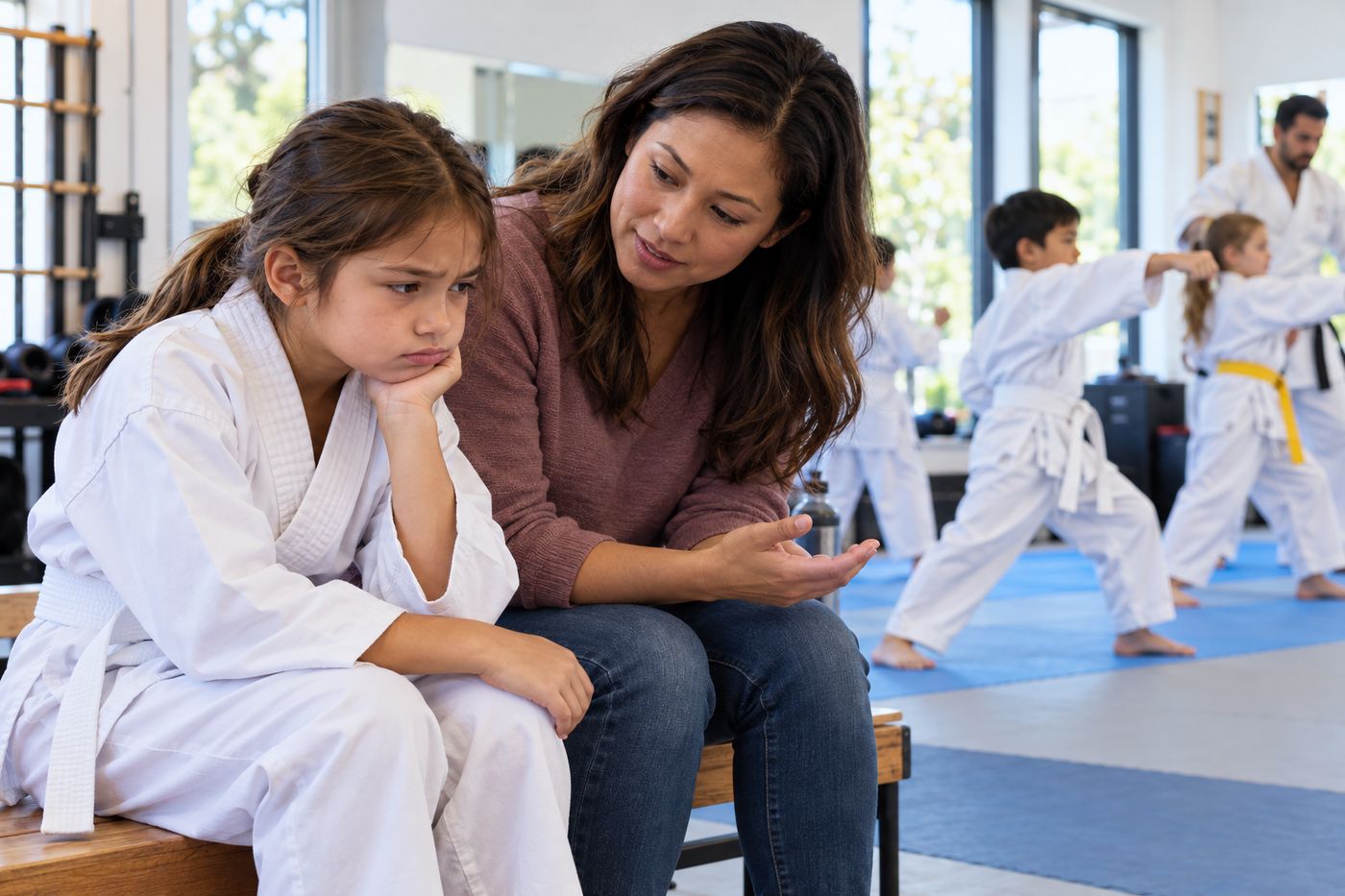
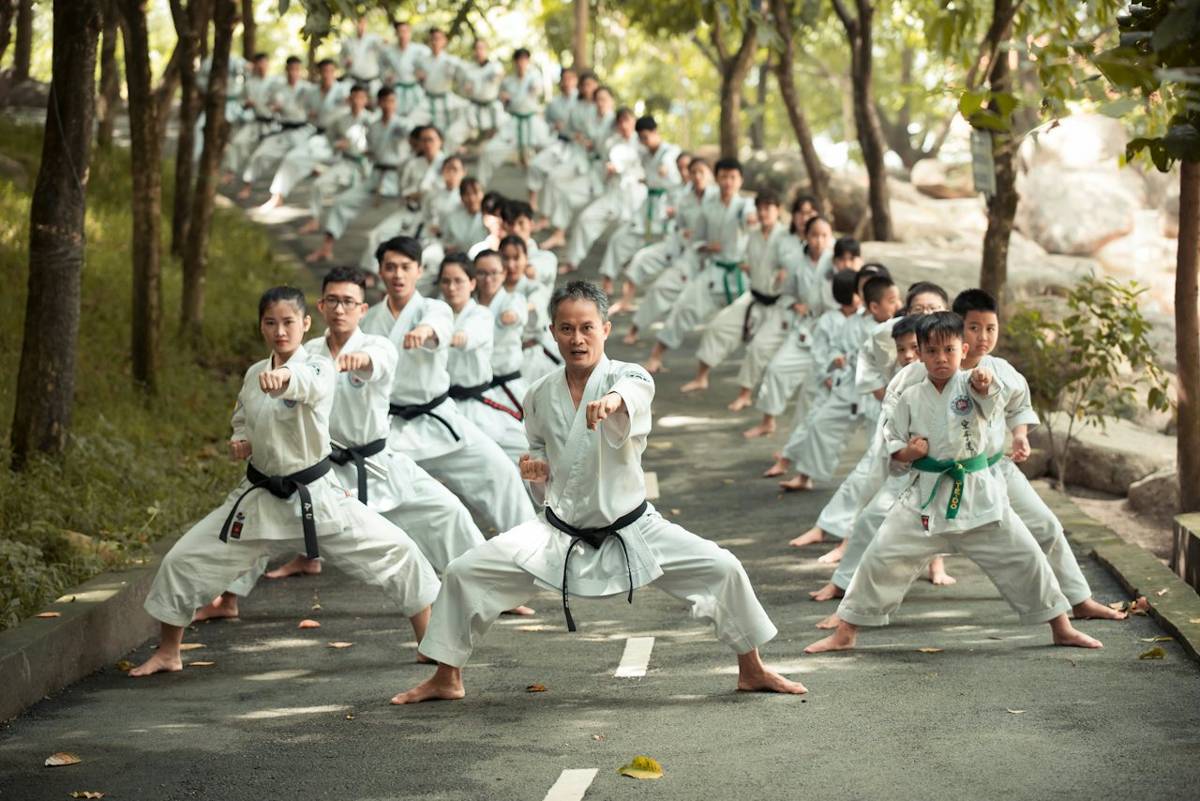
- Prefers little touchKarate or TaekwondoPartners keep their distance early on.
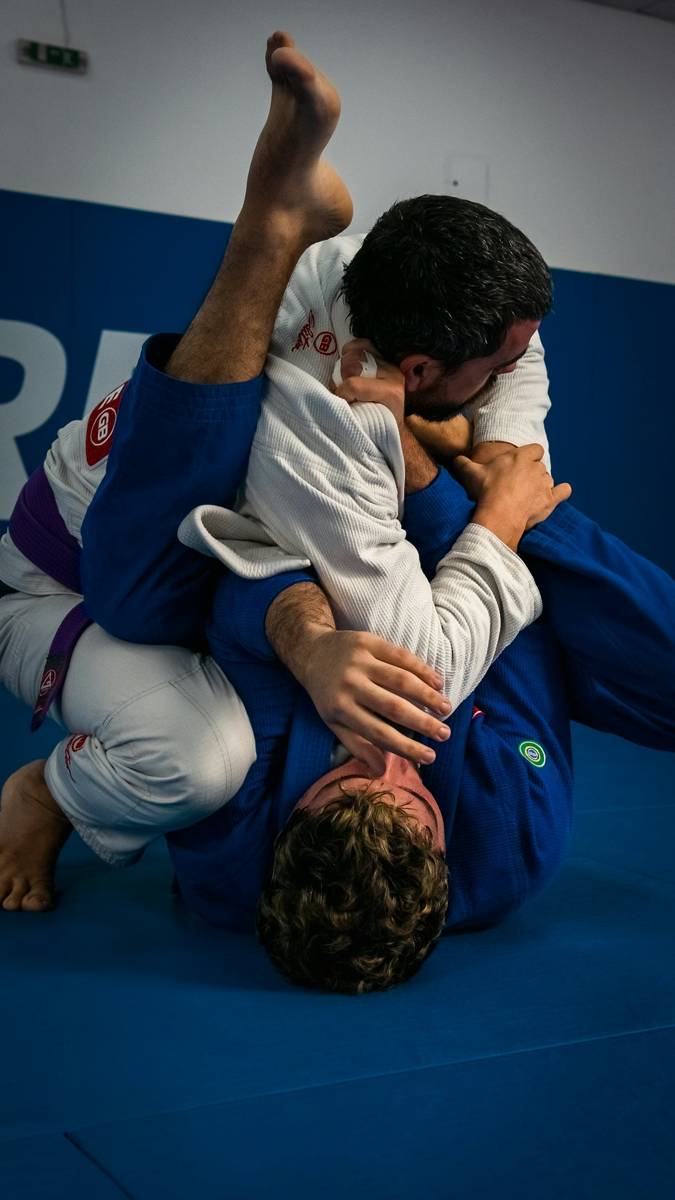
- Seeks deep pressureBJJ or judoLots of close, steady contact.
- Overwhelmed by groupsPrivate or small classesFewer people, less noise.
- Loves routineAny forms-based artSet patterns practised the same way each time.
On this page
For many autistic children, team sports can be hard: fast-changing rules, unpredictable play, noise and a lot of social reading of teammates. Martial arts offer something different. Classes follow the same structure every time, rules are explicit, and a child’s progress is measured against their own last step rather than against a team. That is why so many families of autistic children try martial arts, and why many find it becomes a favorite activity. The key is finding a class that fits your child.
What can help
Predictability is a big part of it. Children bow in, line up, warm up and practise in a familiar order, and forms are set patterns that are practised exactly the same way each time. Expectations are spelled out: where to stand, how to address the instructor, what to do when the whistle blows. Belts and stripes give clear, concrete goals. Families often report gains in coordination, balance, confidence and comfort being around other children, though research is limited and every child is different.
Sensory considerations
Martial arts schools can be loud. Children shout a kihap or kiai, music may play, pads are slapped and lobbies are busy. Mats have a particular smell and texture, and uniforms can feel stiff or scratchy at first. Watch a class at the time your child would attend and notice the noise level and crowding. Ask whether your child could wear ear defenders at first, start in a soft T-shirt, or take a quiet break at the side when needed. Good schools will say yes.
Touch and contact
Styles differ a lot in how much touching is involved. Karate and Taekwondo involve relatively little close contact in the first months; partners mostly hold pads or work at a distance. Judo, BJJ and wrestling involve close contact all class, with gripping, holding and lying on top of a partner. Some autistic children find that very uncomfortable; others love the deep pressure and find grappling calming. You probably already know which way your child leans. Our comparison of the styles explains how each one works.
Class formats to look for
A regular kids’ class works well for many autistic children, especially if it is small and well staffed. Other options include private or semi-private lessons, which let a child learn the basics before joining a group, and adaptive classes run specifically for children with disabilities or different needs. Adaptive classes are usually small, calmer and more flexible, with visual instructions and extra instructors. Ask local schools whether they offer them, and check community centers and nonprofits too.
What a good instructor does
A good instructor explains things clearly and concretely, demonstrates rather than just describes, and gives one instruction at a time. They warn children before changes, such as switching partners or moving to a new drill, and use the same words and routines each class. They are patient with differences in eye contact, speech or movement, and correct calmly and specifically. Above all, they are willing to talk to you about what helps.
Questions to ask a school
Ask how many children are usually in class and how many instructors are on the mat. Ask whether they have taught autistic children before and what they adjust. Ask whether your child can visit first, watch a class, or try a private lesson. Ask about the noise, the lobby and whether parents can stay. And ask about trial periods before any contract; our guide to martial arts contracts explains what to look for.
Helping your child settle in
Visit the school beforehand, take photos of the room and the instructor if allowed, and walk through what will happen in the first class. Arrive early so the room is quieter. Bring a familiar water bottle and let your child see where you will sit. Expect the first few weeks to be about getting comfortable rather than learning techniques, and celebrate small steps. If a school is not a good fit, try another before deciding martial arts is not for your child.
Questions parents and students ask
Are martial arts good for autistic children?
They can be. Predictable routines, clear rules and individual progress suit many autistic children, and families often report gains in confidence, coordination and comfort in groups. Research is limited, and every child is different, so a trial class and an open conversation with the instructor are the best guide.
What martial art is best for an autistic child?
It depends on the child. Children who dislike touch often prefer karate or Taekwondo at first. Children who seek deep pressure may love judo or BJJ. Class size, noise and the instructor's approach matter more than the style.
What is an adaptive martial arts class?
An adaptive class is designed for children with disabilities or different needs. It usually has fewer students, more instructors, a calmer room, visual instructions and flexibility about uniforms, noise and pace. Some schools run them; others offer private lessons instead.