Pick by goal
- Needs frequent goalsTaekwondo or karateBelts and stripes every few months.
- Loves rough playBJJ or judoHands-on partner work holds attention.
- Struggles in big groupsA small classSize of class matters more than style.
- Lots of energyWrestling or TaekwondoFast drills and plenty of movement.
On this page
Parents of children with ADHD hear the same advice again and again: try martial arts. Plenty of families say it helped, and it is easy to see why the idea sounds right. A martial arts class is full of movement, but it is also full of structure: bowing in, lining up, listening for a command and responding at once. For many children with ADHD, that mix is exactly what works. For others, a poorly run class can be overwhelming. This guide explains what to expect and how to find a good fit.
Why martial arts often suit children with ADHD
A good children’s class is built in short pieces. A few minutes of warm-up, a drill, a game, a new technique, then another drill. Children are moving almost all the time, and the instructions are short and physical: step, kick, block, stop. For a child who struggles to sit still and listen, that is far easier than a long explanation followed by waiting.
The routines help too. Classes start and end the same way every time, children always know where to stand, and the rules are simple and consistent. Belts and stripes give clear, visible goals every few months, which suits children who find long-term rewards hard to wait for. And practising stillness, such as holding a stance or waiting for the command, is built into the art in a way that feels like part of the game rather than a punishment.
What the research says
The honest answer is that research is limited. A number of small studies have found improvements in attention, self-control or behavior in children with ADHD who did martial arts, and reviews of the evidence describe the results as promising. But most studies are small and short, so it is too early to say how much martial arts help or which children benefit most. Physical activity in general is good for children with ADHD, and martial arts are one structured way to get it. Treat a class as a healthy support alongside whatever plan you have with your child’s doctor, not as a replacement.
Which styles tend to fit
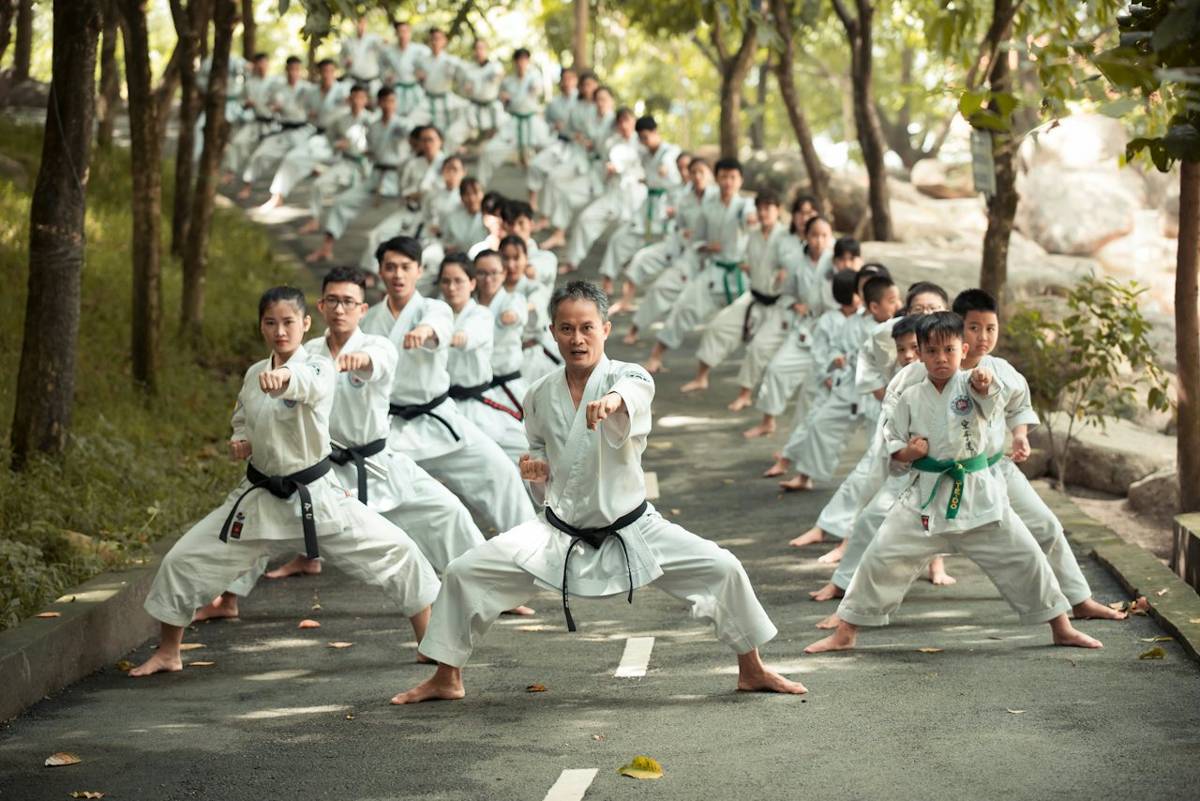
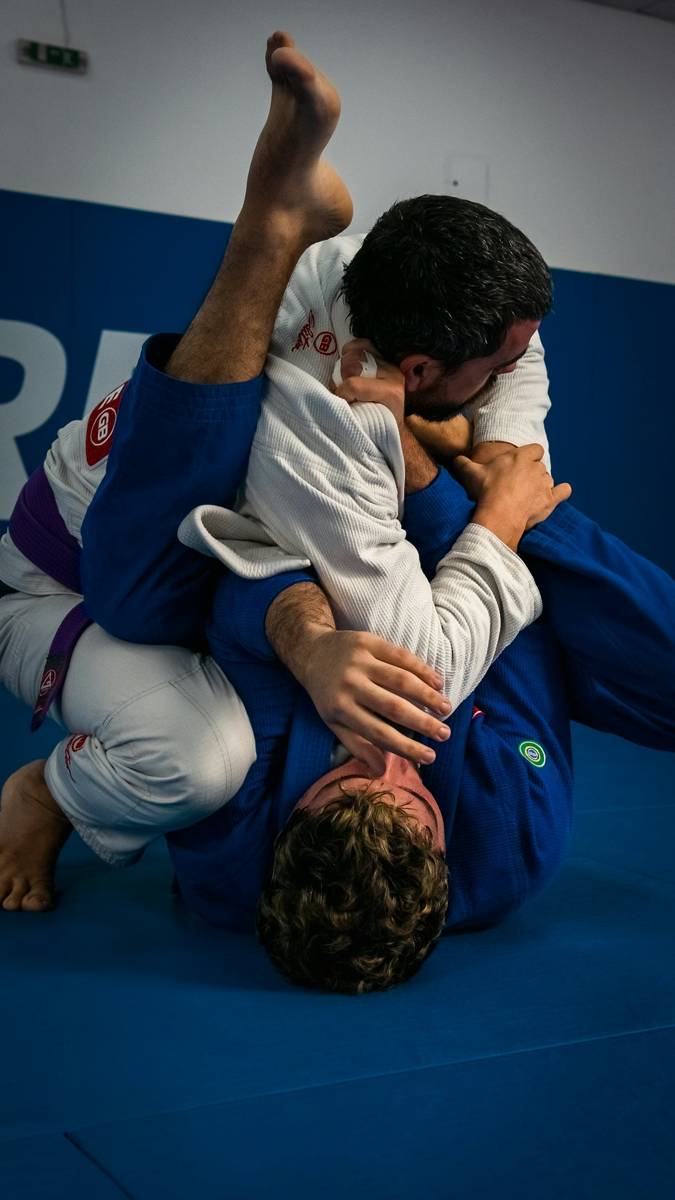
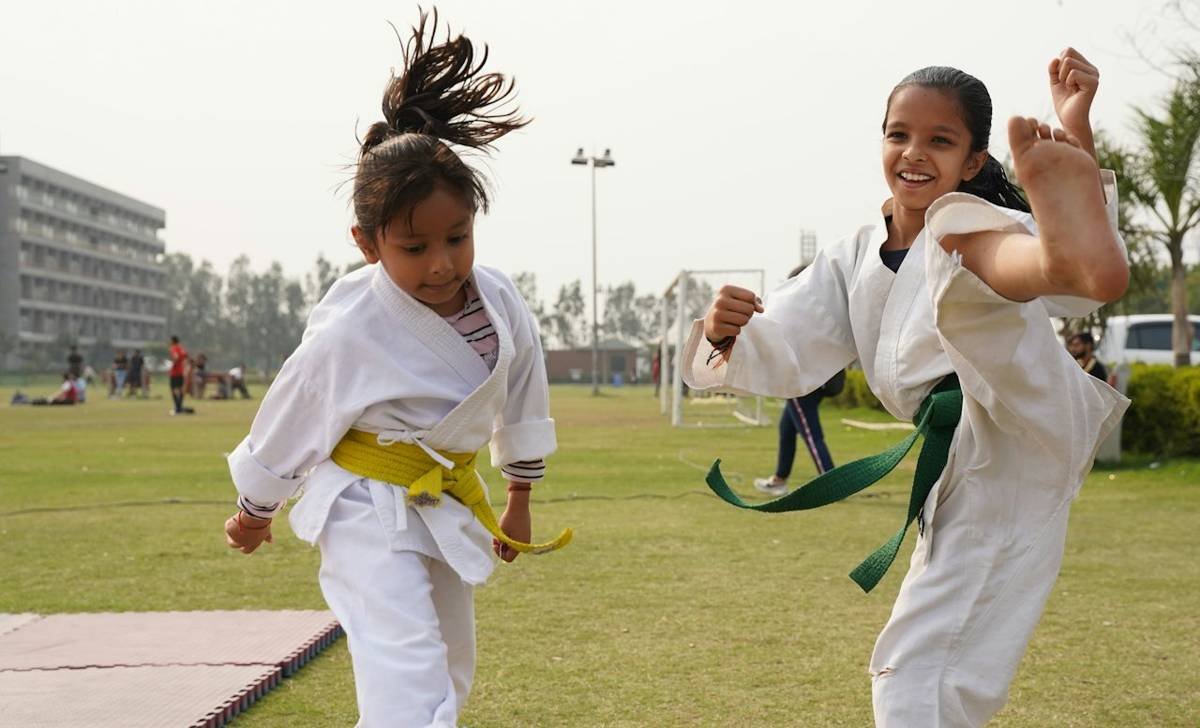
Any style can work, and the class matters more than the art. That said, each family of styles has strengths. Taekwondo and karate offer lots of structure, lines, commands and frequent belts, which many children with ADHD find motivating. Brazilian Jiu-Jitsu and judo keep a child working hands-on with a partner, which can hold attention well, and they give children a physical outlet for rough play. Wrestling is fast and exhausting in the best way for high-energy kids. Our comparison of the styles explains each one, and our quiz can help narrow it down.
What a good class looks like
Watch a class before you sign up and look for a few things. Smaller groups, or several assistants on the mat, mean your child gets more attention. The instructor should give short, clear instructions, demonstrate rather than lecture, and keep children moving with little waiting in line. Look for calm, consistent correction rather than shouting, and for praise that is specific. Children who drift off should be gently brought back in, not singled out.
It also helps if the school offers a trial period before any long contract, since it can take a few weeks to know whether a class works. Our guide to martial arts contracts explains what to look for.
Questions to ask the instructor
Ask how big the class usually is and how many instructors are on the mat. Ask how they handle a child who has trouble focusing or waiting. Ask whether your child can try a few classes first, and whether there is a quieter class time. A good instructor will be glad to talk about what helps your child, and many have taught children with ADHD for years.
Helping your child settle in
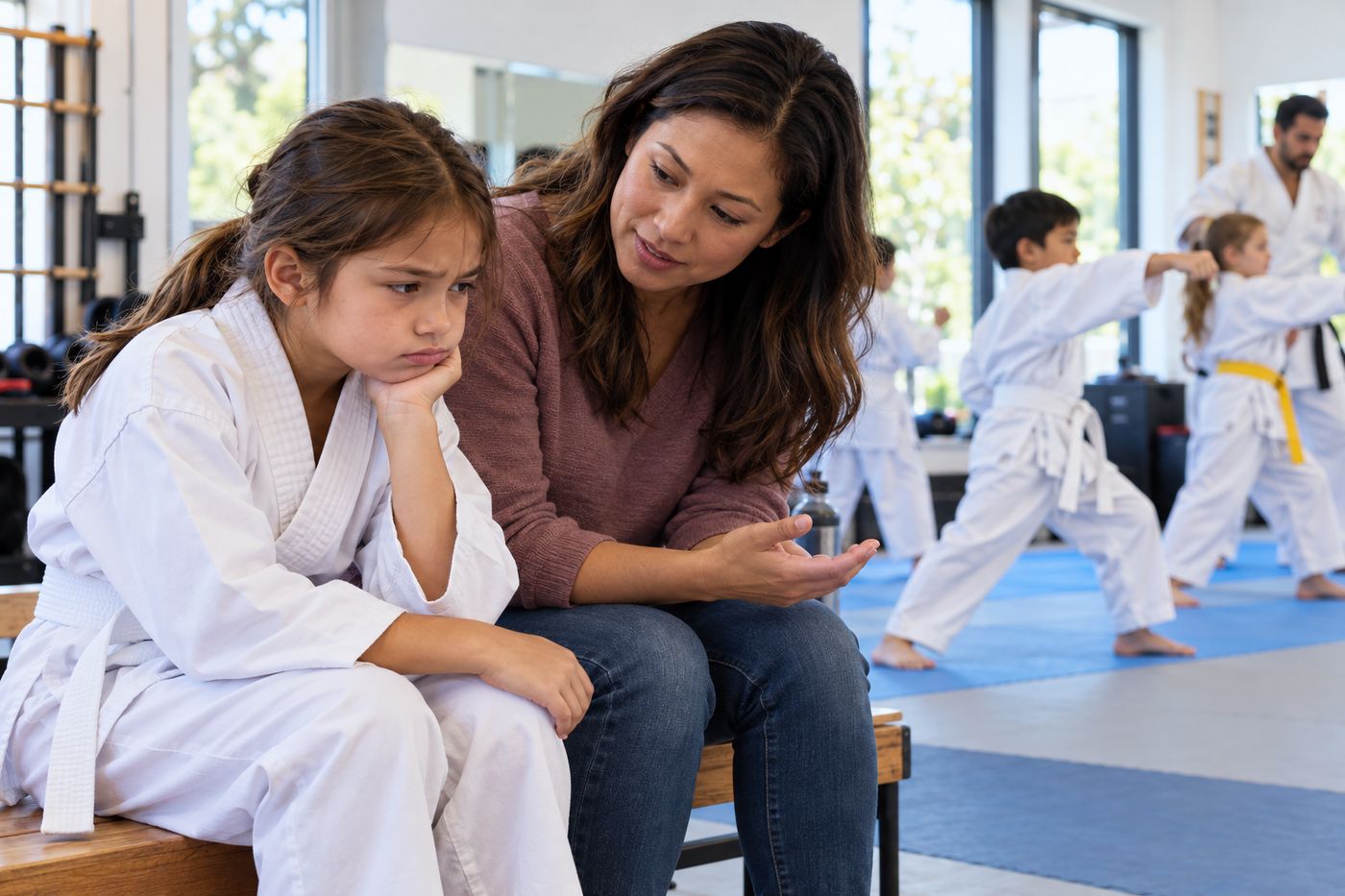
Tell the instructor what works at home and school, such as giving one instruction at a time or offering a quick movement break. Arrive a few minutes early so your child is not rushed. Keep expectations realistic for the first month, and celebrate effort and small wins as well as stripes. If your child is still unhappy after a fair trial, try a different school or style before giving up on martial arts altogether.
Questions parents and students ask
Do martial arts help with ADHD?
Small studies suggest martial arts may help some children with attention, self-control and behavior, and many parents report real benefits. The research is limited, so think of martial arts as a healthy, structured activity that can support a child's treatment plan, not as a treatment itself.
What is the best martial art for a child with ADHD?
There is no single best style. Striking arts like Taekwondo and karate offer clear routines and frequent belts; grappling arts like BJJ and judo keep children busy with a partner. What matters most is a small class and an instructor who keeps things moving and explains things simply.
Should I tell the instructor my child has ADHD?
Usually yes. A good instructor will want to know what helps your child, such as short instructions, a spot near the front or a quick movement break. If a school seems reluctant to talk about it, that tells you something about the school.