| Boxing fitness | Amateur boxing | |
|---|---|---|
| Contact | None; bags and pads | Sparring and bouts |
| Head contact | No | Yes, with headgear |
| Ages | From about 8, some younger | Set minimum ages for bouts |
| Cost | $40 to $220 a month | Similar, plus membership and travel |
Pick by goal
- Fitness and coordinationNon-contact boxing classGreat workout without head contact.
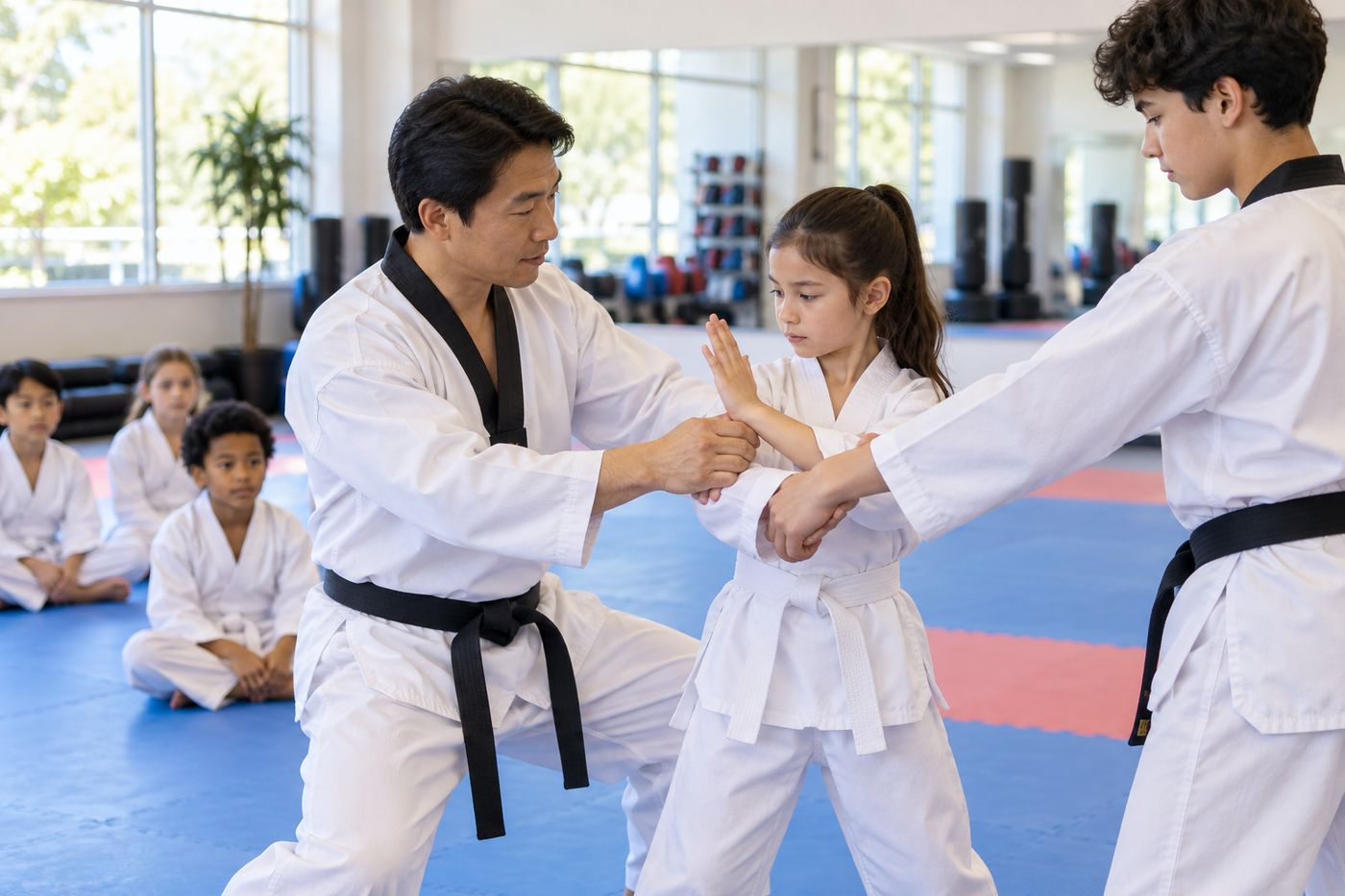
- Striking with less head riskTaekwondo or karateHead contact is restricted for kids.
- Competitive teenA registered amateur clubMatched bouts, medicals and rules.
On this page
Boxing gyms have long been a lifeline for young people in cities across America, offering discipline, mentoring and a place to belong. Boxing is also one of the best workouts there is. At the same time, it is the one combat sport where hitting the head is the main way to score, and parents deserve a clear picture of what that means.
Two very different things called “boxing”
Boxing fitness and technique classes teach stance, footwork, punches and defense on pads, bags and in shadowboxing, without hitting partners. These classes build coordination, speed, endurance and confidence, and they carry little risk beyond the usual sports sprains.
Competitive boxing adds sparring and bouts, where the aim is to land clean punches, including to the head. That is where the health questions start.
What pediatricians say
The American Academy of Pediatrics and the Canadian Paediatric Society have taken a clear position: they oppose boxing as a sport for children and adolescents, because of the risk of head and facial injuries and concussion. They encourage young people to choose sports where intentional blows to the head are not allowed. Many families still choose boxing training, and that guidance is a strong reason to keep children in non-contact training or to be very careful about when and how sparring begins.
How youth amateur boxing works
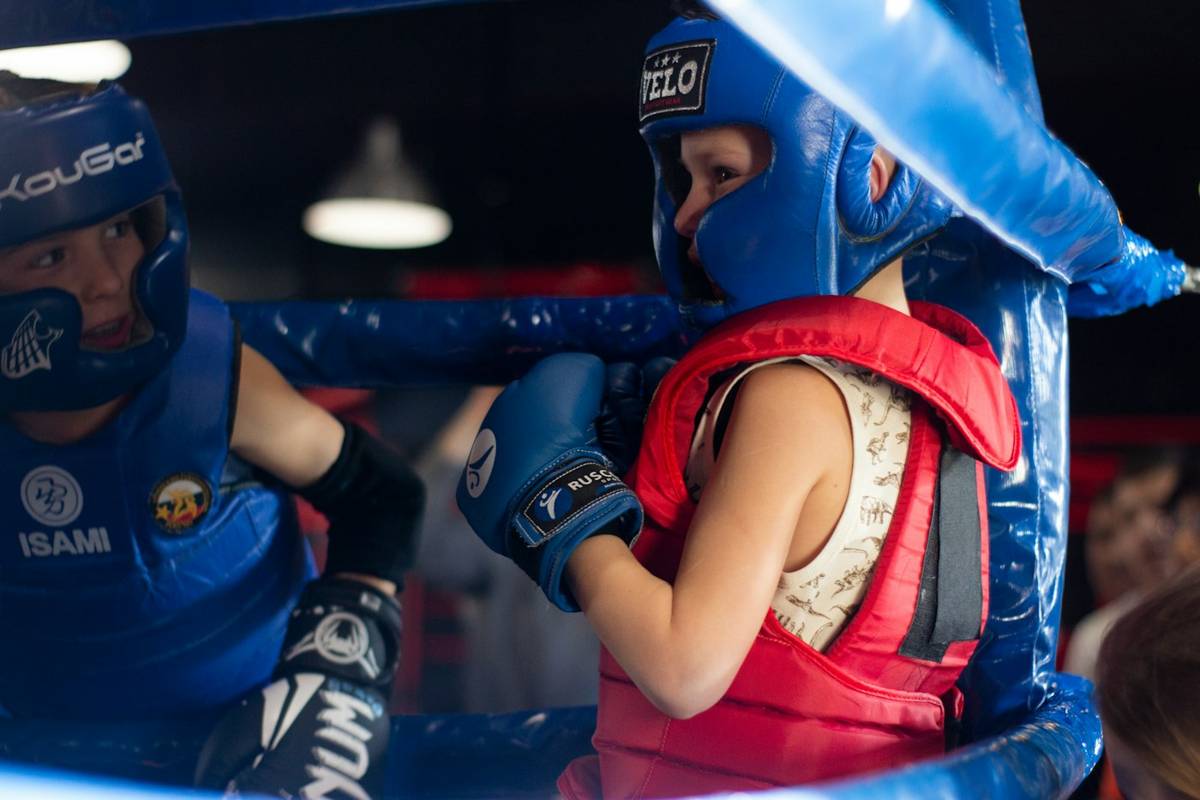
In the United States, amateur boxing is governed by USA Boxing, which registers boxers, coaches and clubs, and runs competitions. Young boxers are matched by age, weight and experience, wear headgear and larger gloves, and fight short rounds under strict rules, with referees and ringside doctors who stop bouts early. These protections reduce risk, but headgear does not prevent concussions.
What a good youth class looks like
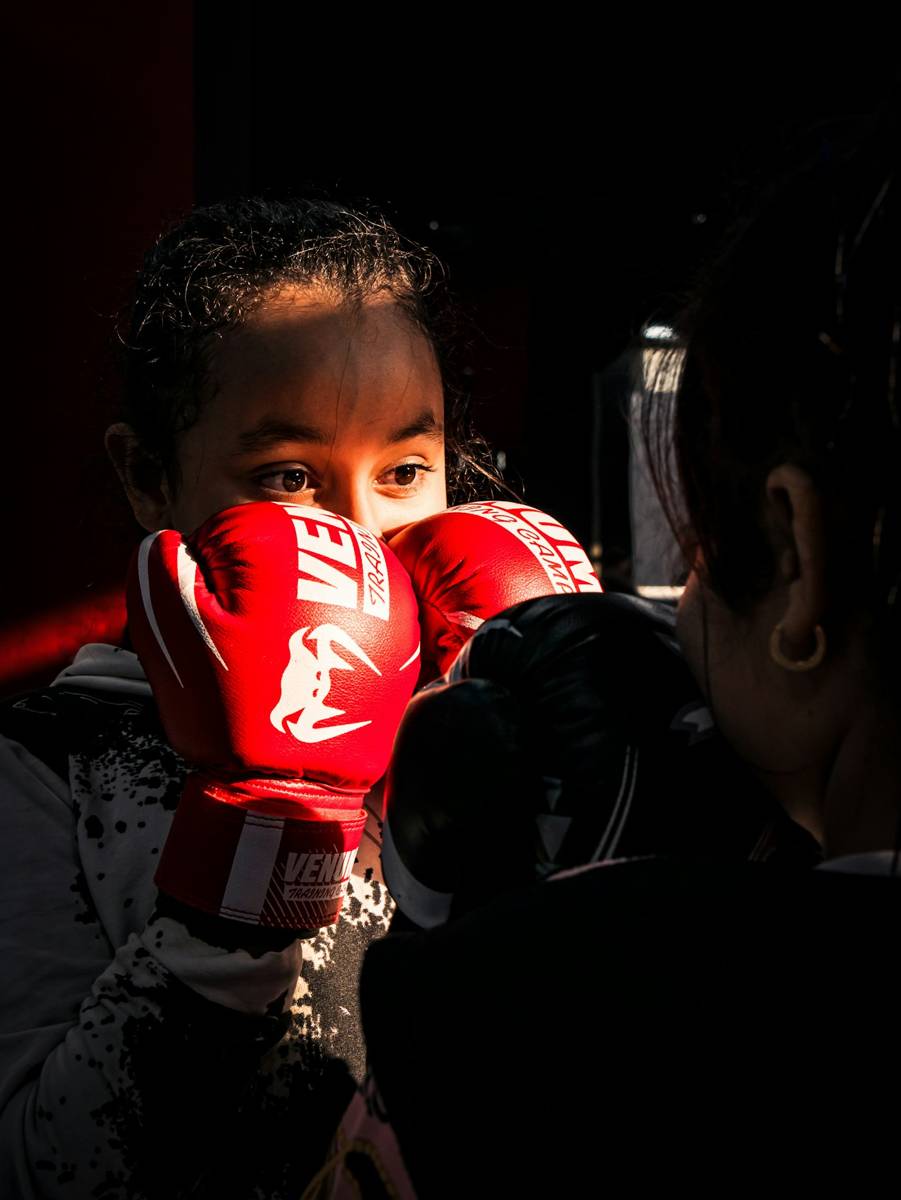
A good class starts with skipping and a warm-up, then teaches stance, guard and footwork, followed by punch combinations on pads held by coaches and rounds on the heavy bag. Partner work focuses on defense drills with light touch or no contact. Conditioning finishes the session. Coaches watch closely, keep children with similar partners and do not allow hard sparring for young children.
Gear and costs
Children need hand wraps, boxing gloves and a mouthguard to start, and headgear if they spar. Many gyms lend equipment to beginners. Costs range from inexpensive nonprofit and police athletic league gyms to commercial fitness boxing studios. See our cost by style guide.
How to choose a gym
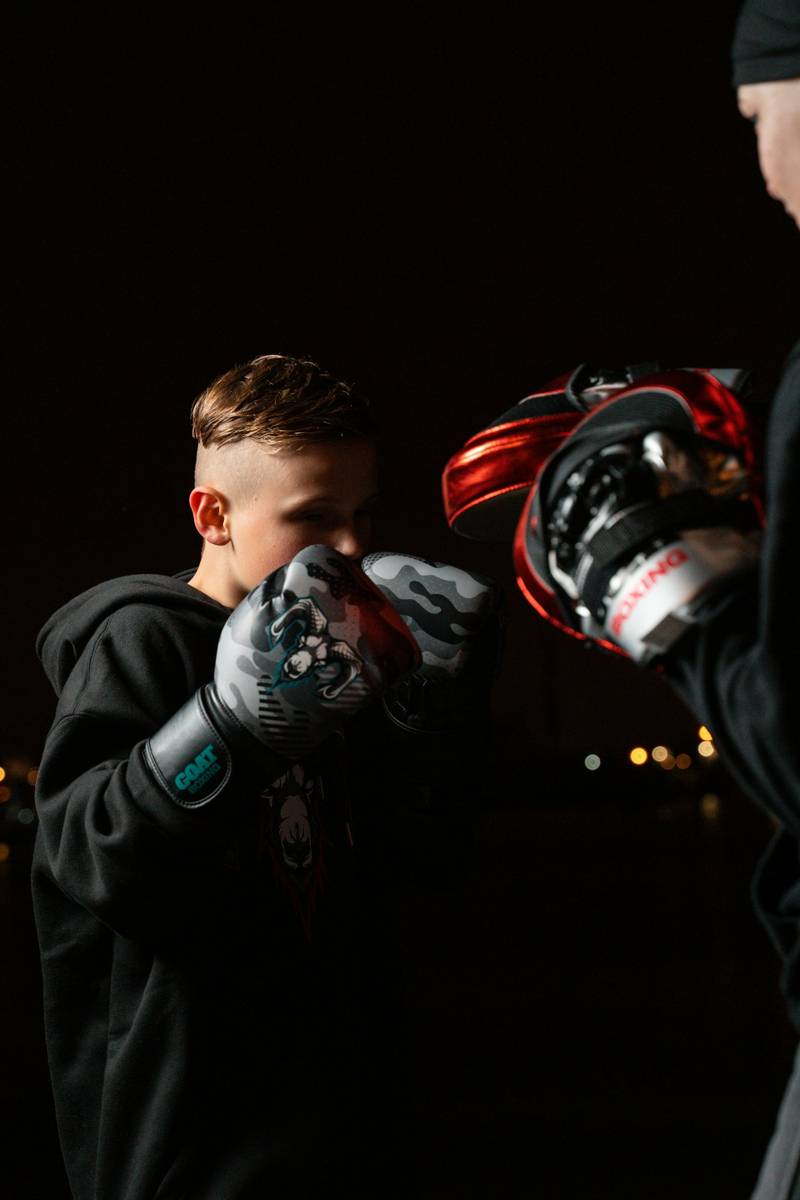
Ask whether there is a separate youth program, at what age and level sparring starts, how much head contact is allowed, who supervises, and whether coaches are USA Boxing certified. A gym that keeps young children in technique and fitness work, and introduces any sparring slowly and lightly, is the right kind of gym.
Concussion: what every boxing parent should know
Because head contact is part of boxing, parents should know the signs of concussion and act on them. Watch for a headache, dizziness, confusion, blurred vision, nausea, unusual tiredness or a change in mood after training. A child with any of these should stop for the day and see a doctor, and should not return to sparring until cleared. Good coaches stop sparring at once after a hard shot, keep rounds light, never let children spar much bigger or older partners and keep records of knocks. If a gym brushes off a head knock as part of the sport, find another gym. Non-contact boxing avoids this risk entirely while keeping most of the benefits.
Is boxing right for your child?
Non-contact boxing training is a great fit for energetic children who like a hard workout and clear, simple skills. If your child wants to spar or compete, weigh the pediatric guidance carefully. For striking without head punches, compare Taekwondo and karate, and for self-defense without strikes look at BJJ and judo.
For the facts at a glance, a parent scorecard and what a typical class looks like, see our Boxing profile.
Questions parents and students ask
Is boxing safe for kids?
Non-contact boxing training, such as pad work, bag work, footwork and conditioning, is a safe and excellent workout. Competitive boxing involves blows to the head, and the American Academy of Pediatrics opposes boxing as a sport for children and adolescents for that reason.
What age can kids start boxing?
Many gyms run fitness-style youth classes from about eight. USA Boxing allows amateur competition for young boxers in age and weight groups, with headgear and strict youth rules.
Does headgear prevent concussions in boxing?
Headgear reduces cuts and some impact, but it does not prevent concussions. Limiting hard sparring and head contact matters more.