On this page
Martial arts schools are famously shy about prices. Many websites say “call for pricing” or invite you in for a free trial before mentioning money at all, and the number you are quoted can depend on which package, contract and “special” you are offered. That makes it hard for parents to know what is normal.
This guide explains the usual costs, how they vary by style and type of school, and the questions to ask so there are no surprises. Prices change and vary a lot by city, so use these figures as a rough guide and always ask for a written fee schedule.
To add up the full bill for a particular school, including tests, gear and fees, try our martial arts cost calculator.
Monthly tuition
At commercial schools in most American cities, children’s tuition commonly falls somewhere between about $100 and $250 a month. Big-city schools and those with unlimited classes sit at the top of that range; schools in smaller towns and those offering one or two classes a week sit lower. Community programs run by park districts, YMCAs, community centers and volunteer clubs can cost a fraction of commercial prices, sometimes charging by the session or season instead of by the month.
| Style | Typical setting | Rough price picture |
|---|---|---|
| Taekwondo | Mostly commercial schools | Mid-range, plus regular testing fees and sparring gear |
| Karate | Commercial schools and small traditional clubs | Mid-range; traditional clubs can be cheap |
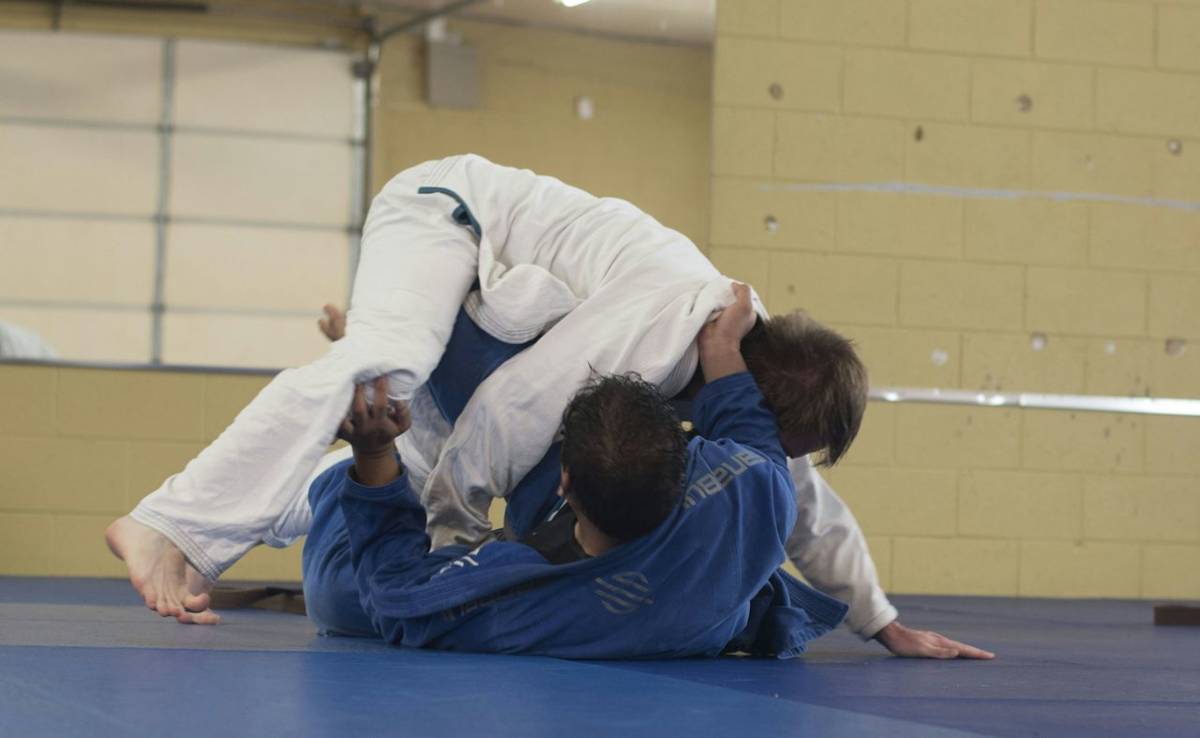
| Brazilian Jiu-Jitsu | Mostly commercial academies | Often at the higher end; few testing fees |
| Judo | Many nonprofit and community clubs | Often among the cheapest |
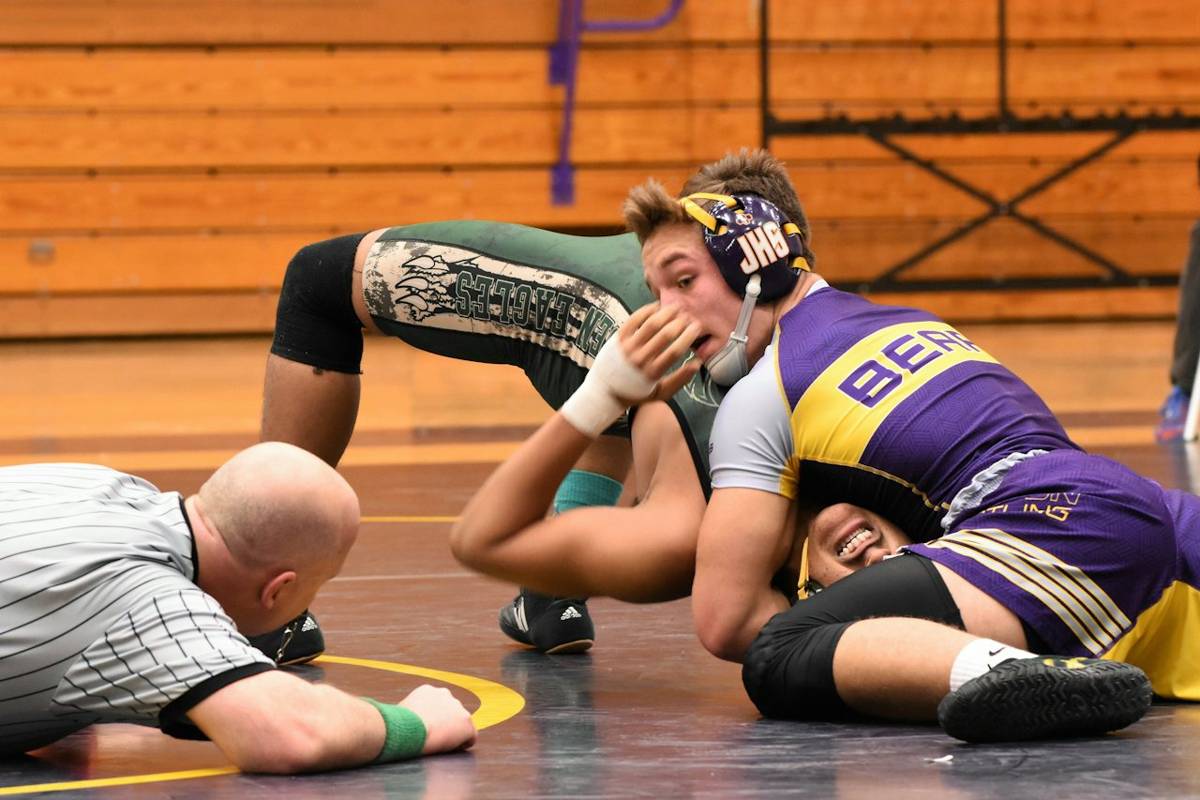
| Wrestling | School teams and youth clubs | Usually the cheapest, often per season |
| Kung fu and wushu | Commercial schools and cultural centers | Varies widely |
| Muay Thai and kickboxing | Commercial gyms | Mid to high; often aimed at teens and adults |
Belt testing fees
Most belt-ranked styles, especially Taekwondo and karate, charge a fee each time a child tests for a new belt. Early color belt tests are usually modest, the fees often rise at higher ranks, and black belt tests can cost considerably more, sometimes several hundred dollars including the belt, certificate and registration with a federation. With tests every two to four months, these fees add up over a year, so include them when comparing schools. BJJ academies often promote without a separate fee.
Uniforms and gear
Expect to buy a uniform (gi or dobok) at the start, sometimes included in a sign-up fee. Children outgrow them, so budget for a new one every year or two. Striking arts add sparring gear once a child starts sparring: typically a helmet, mouthguard, gloves or hand guards, shin and foot guards and, in Taekwondo, a chest protector. Grappling arts need little beyond a gi (and a spare), a mouthguard and sometimes rash guards and shorts for no-gi classes. Wrestling needs shoes, headgear and a singlet.
Contracts and programs
The biggest financial decision is usually not the monthly price but the contract. Many schools offer their best rate for a 12-month agreement or a multi-year black belt program. These can be good value if your child sticks with it, but children’s interests change, families move, and injuries happen. Before signing, ask: Is there a trial period? Can we pay month to month? What happens if we move, or my child is injured? How do we cancel, and is there a fee? Is the contract handled by a third-party billing company? Get the answers in writing.
Be cautious of high-pressure tactics: a price that is only available today, an upgrade to a “leadership” or “masters club” program offered at your child’s first belt test, or a contract that renews automatically without a clear reminder. Our guide to the warning signs of a bad school covers these in more detail.
Other costs to ask about
Tournaments charge entry fees and may involve travel. Some schools charge for special seminars, camps or private lessons. Many offer sibling discounts and family plans, and some offer discounts for paying several months in advance. After-school programs that include pickup from school are usually priced separately and can be a good deal for working parents.
How to tell if the price is fair
A fair price is one where you know exactly what you are paying for. Compare schools by the full annual cost, including tuition, testing fees, required gear and any sign-up fee, divided by the number of classes your child will actually attend. Then weigh that against the quality of instruction you saw in a trial class. A slightly more expensive school with small classes and a great instructor is often better value than a cheap one where children spend half the class waiting in line.
For help choosing the style first, see the best martial art for kids, and for Taekwondo-specific fees, see how much Taekwondo costs.
Questions parents and students ask
How much do kids' martial arts classes cost per month?
Commercial schools in most US cities commonly charge somewhere around $100 to $250 a month for children's classes, depending on the city and how many classes a week are included. Community programs, park districts, YMCAs and school wrestling teams can cost far less.
Which martial art is cheapest for kids?
School and youth-club wrestling and community judo clubs are usually the cheapest options. Commercial BJJ academies tend to be at the higher end, with Taekwondo and karate schools in between, though local prices vary widely.
Are belt testing fees normal?
Yes, most belt-ranked schools charge testing fees, often a modest amount for early color belts that rises at higher ranks, with black belt tests costing considerably more. Ask for the full fee schedule in writing before you sign up.