On this page
- 1. Guaranteed belts on a fixed schedule
- 2. Very young black belts
- 3. Pressure to sign today
- 4. No month-to-month option or a murky cancellation policy
- 5. Upsells at the first belt test
- 6. Constant extra fees
- 7. No live practice at all
- 8. Claims that sound like movies
- 9. Instructors whose credentials you cannot check
- 10. Big classes with little teaching
- 11. Sloppy advanced students
- 12. Humiliation or unsafe sparring
- What a good school looks like
Parents in the martial arts world talk about the “McDojo”, a school that is more interested in selling than teaching. The name is unfair to plenty of excellent, busy, family-friendly schools, and there is nothing wrong with a school being a business. But some schools really do put the sale ahead of the student, and they can be hard to spot from the lobby. These warning signs apply to any style, from Taekwondo and karate to BJJ and kung fu.
1. Guaranteed belts on a fixed schedule
If a school tells you, before it has seen your child train, that they will be a black belt in two years, promotion is probably based on time and payment rather than skill. Good schools give rough timelines but make clear that belts are earned.
2. Very young black belts
Many good schools award junior black belts to children around nine or ten who have trained for several years. A five- or six-year-old black belt after a year or two of training, on the other hand, usually means the belt is a product.
3. Pressure to sign today
“This price is only available today” is a sales technique, not a teaching one. A good school will happily let you take the contract home, think it over and come back.
4. No month-to-month option or a murky cancellation policy
Long agreements are fine if you understand them. Be wary if there is no way to pay monthly, if the cancellation terms are vague, or if billing is handled by a third party that is hard to reach. Ask for everything in writing.
5. Upsells at the first belt test
Some schools invite parents to a “special meeting” at an early belt test and offer an expensive black belt club, leadership team or masters program. If these programs mainly add cost and a different-colored uniform, think carefully.
6. Constant extra fees
Testing fees are normal. Fees for every test, every stripe, every seminar, mandatory branded gear and required tournaments, all on top of tuition, are not.
7. No live practice at all
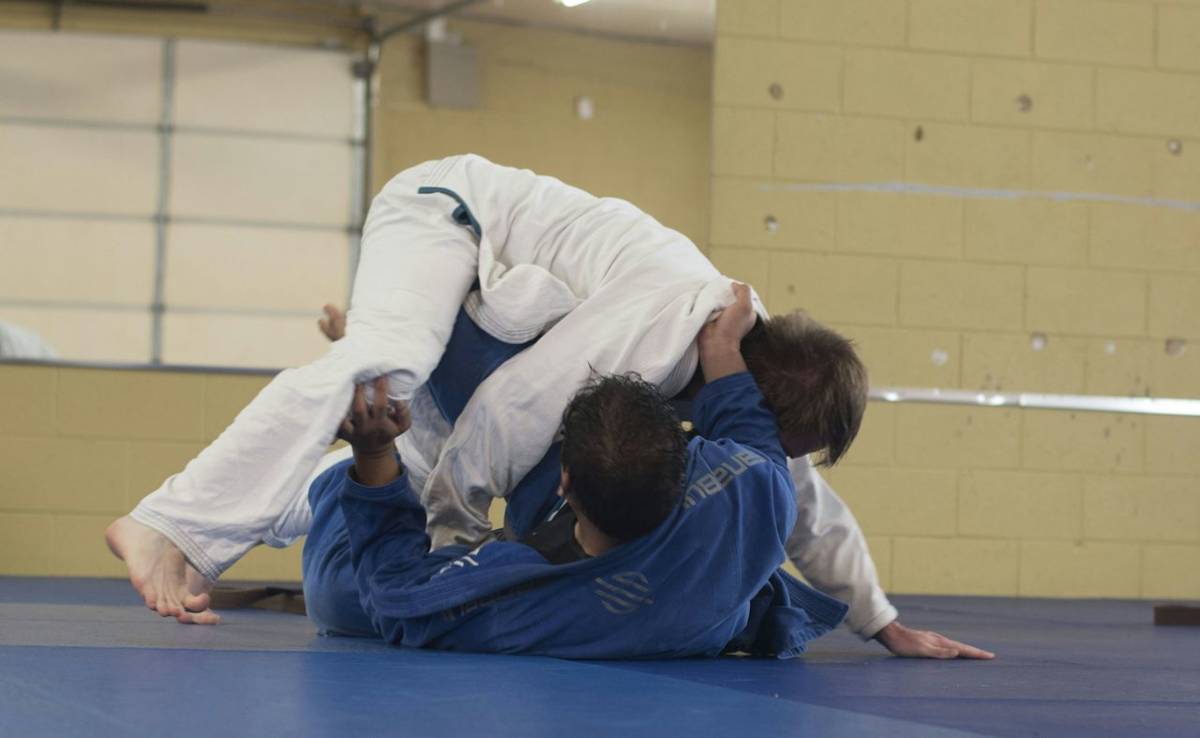
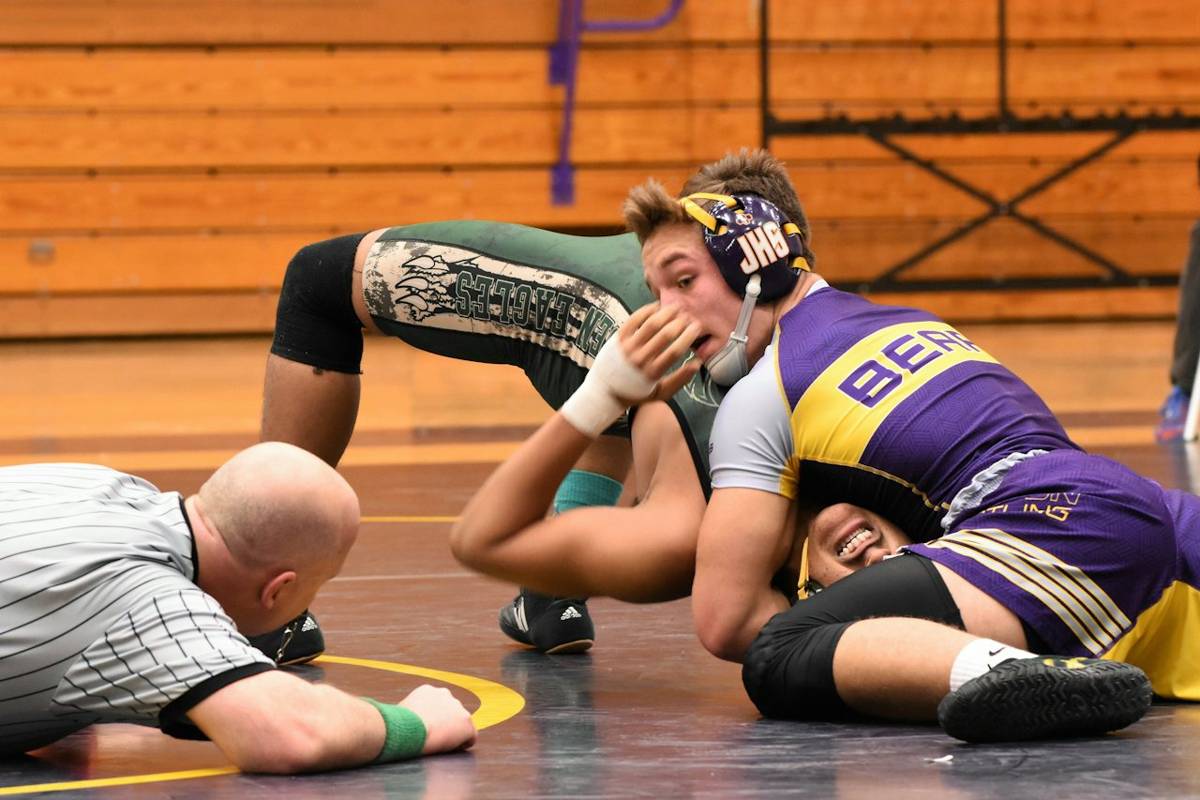
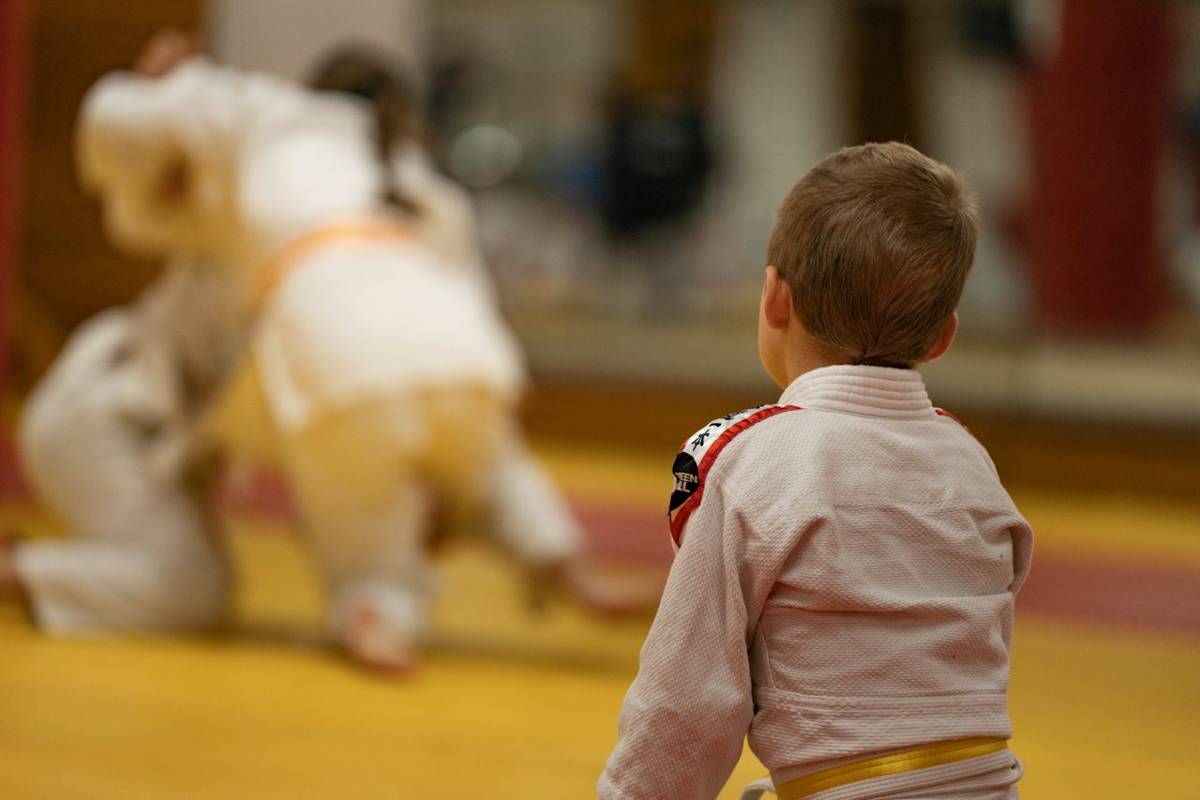
In every style, students should eventually practise against a partner who is resisting in a controlled way: sparring in striking arts, rolling in grappling arts. A school where techniques only ever work on cooperative partners is not teaching skills that hold up.
8. Claims that sound like movies
Be skeptical of instructors who claim deadly secret techniques, no-touch knockouts, or that their art is the only one that works. Good instructors are usually modest about what martial arts can do.
9. Instructors whose credentials you cannot check
Ask what rank the head instructor holds, from whom, and in which organization. A good instructor answers easily. Vague answers, self-awarded high ranks or a lineage that leads nowhere are warning signs.
10. Big classes with little teaching
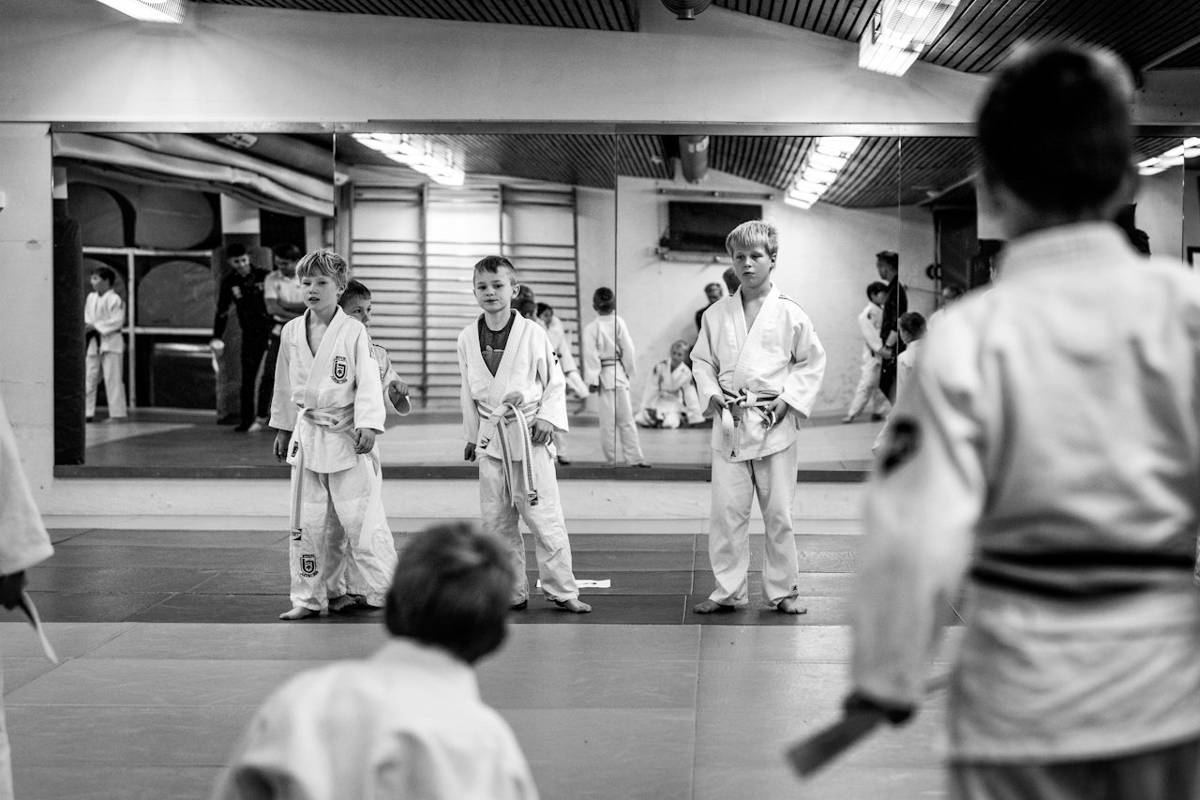
One instructor shouting counts at thirty children is supervision, not teaching. Look for instructors who move around, correct children individually and know their names.
11. Sloppy advanced students
Watch the senior students. If the black belts look unfit, unfocused or technically poor, that is where your child will end up after several years and thousands of dollars.
12. Humiliation or unsafe sparring
Firm discipline is fine. Yelling at or mocking children, or letting mismatched kids spar hard without control, is not. Children should leave class tired and happy, not scared.
What a good school looks like
A good school welcomes you to watch a regular class, answers questions about price and contracts openly, and has instructors with checkable credentials. Classes are organised by age and level, children are active for most of the session, and the instructor corrects them kindly and specifically. There is some form of live practice, safely supervised. Promotion is based on clear requirements, and advanced students look skilled and respectful.
Visit at least two schools before you decide, and trust both your instincts and your child’s. For more on what to ask, see how to choose a school and our guide to martial arts costs.
Questions parents and students ask
What is a McDojo?
McDojo is slang for a martial arts school that puts selling ahead of teaching, for example by promoting students quickly to keep them paying, pushing long contracts, or teaching techniques that have never been tested against resistance.
Is it bad if a school has lots of kids with black belts?
Not necessarily. Many good schools award junior black belts to children who have trained for several years. It becomes a warning sign when very young children reach black belt in a year or two, or when promotion seems tied to payments rather than skill.
Are long martial arts contracts a red flag?
Not on their own, as many good schools offer discounts for longer commitments. The red flags are pressure to sign immediately, no month-to-month option, unclear cancellation terms, and upsells to expensive programs early on.