| Kids MMA | |
|---|---|
| Starting age | About 6 to 8 |
| Covers | Striking, wrestling, jiu-jitsu |
| Head contact | Often banned in youth sparring |
| Ranks | Gym-specific or none |
| Typical cost | $120 to $250 a month |
Pick by goal
- Variety for an older childKids MMAStriking and grappling in one class.
- Under 7BJJ or wrestling firstSimpler, and the base of most MMA.
- Minimal head contactBJJNo strikes at all.
On this page
Mixed martial arts is one of the most watched combat sports in the world, and many children who see it on screen ask to try it. Plenty of MMA gyms now run kids’ programs. They can be excellent, but “kids MMA” rarely looks like what children see on television, and that is a good thing.
What kids MMA classes really teach
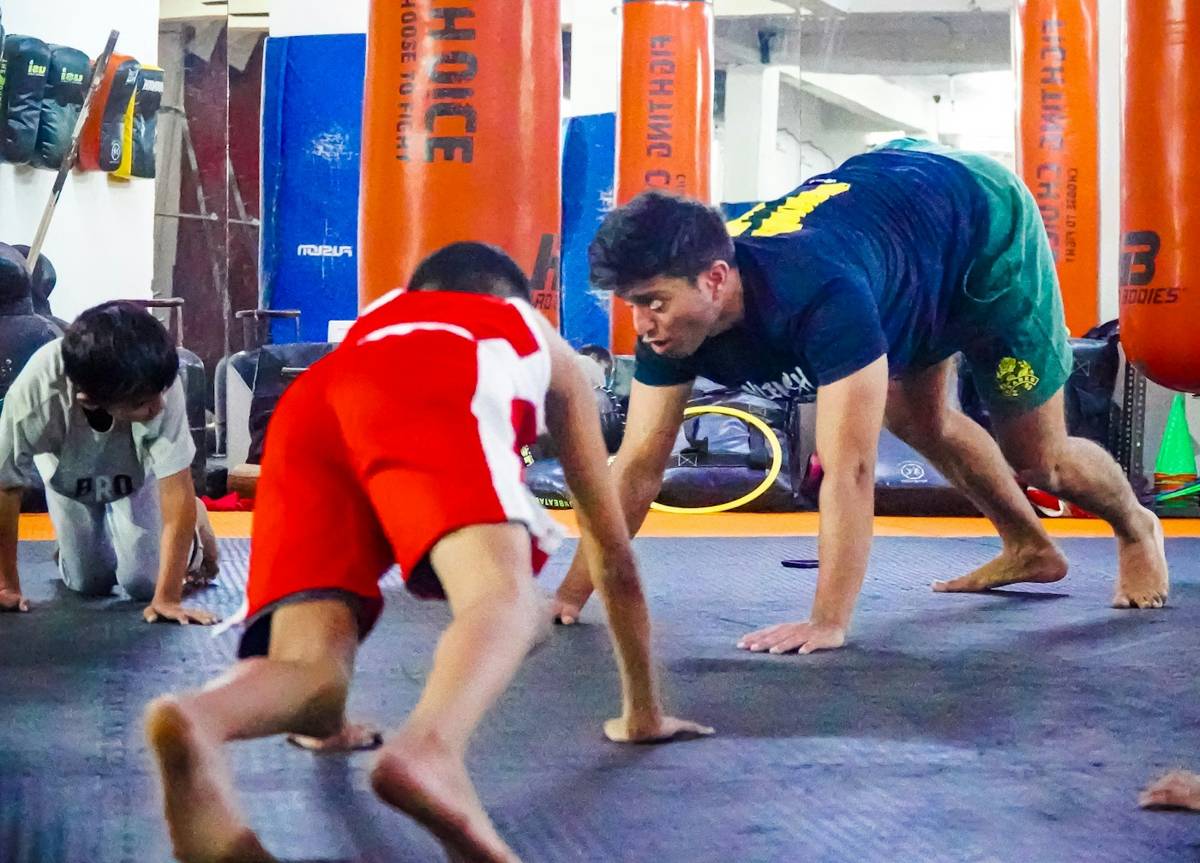
Most children’s MMA classes are best described as mixed martial arts fundamentals. They combine the building blocks of the sport: wrestling takedowns and sprawls, jiu-jitsu positions and escapes on the ground, and striking technique from boxing, Muay Thai or kickboxing on pads and bags. Classes usually rotate through these areas, sometimes in separate sessions in the week. Live sparring for children is normally grappling only.
How it differs from adult MMA
Adult MMA allows punches, kicks, knees and elbows standing and on the ground, plus submissions. Children’s programs remove the most dangerous parts, especially strikes to the head, and focus on skill, fitness and control. In many places youth competitions that mix striking and grappling are limited, restricted to older age groups, or use rules such as no head strikes; rules vary by state and organizer.
Safety
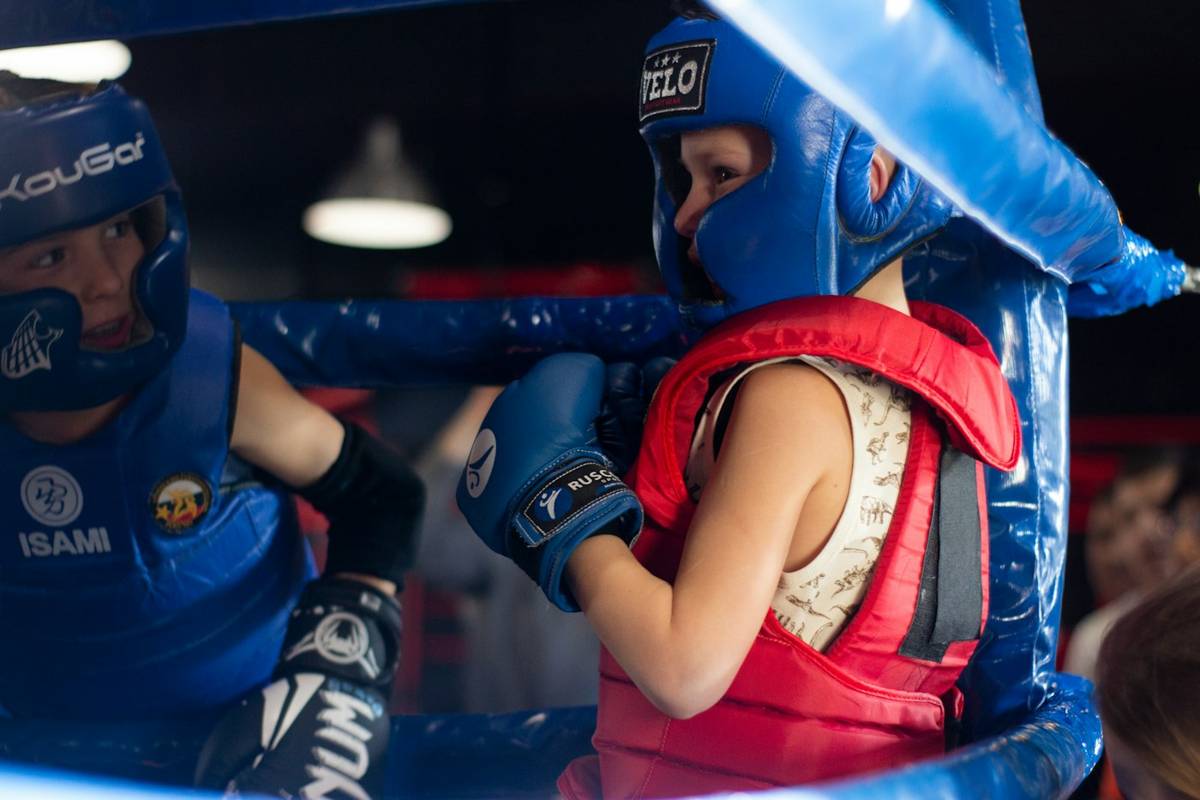
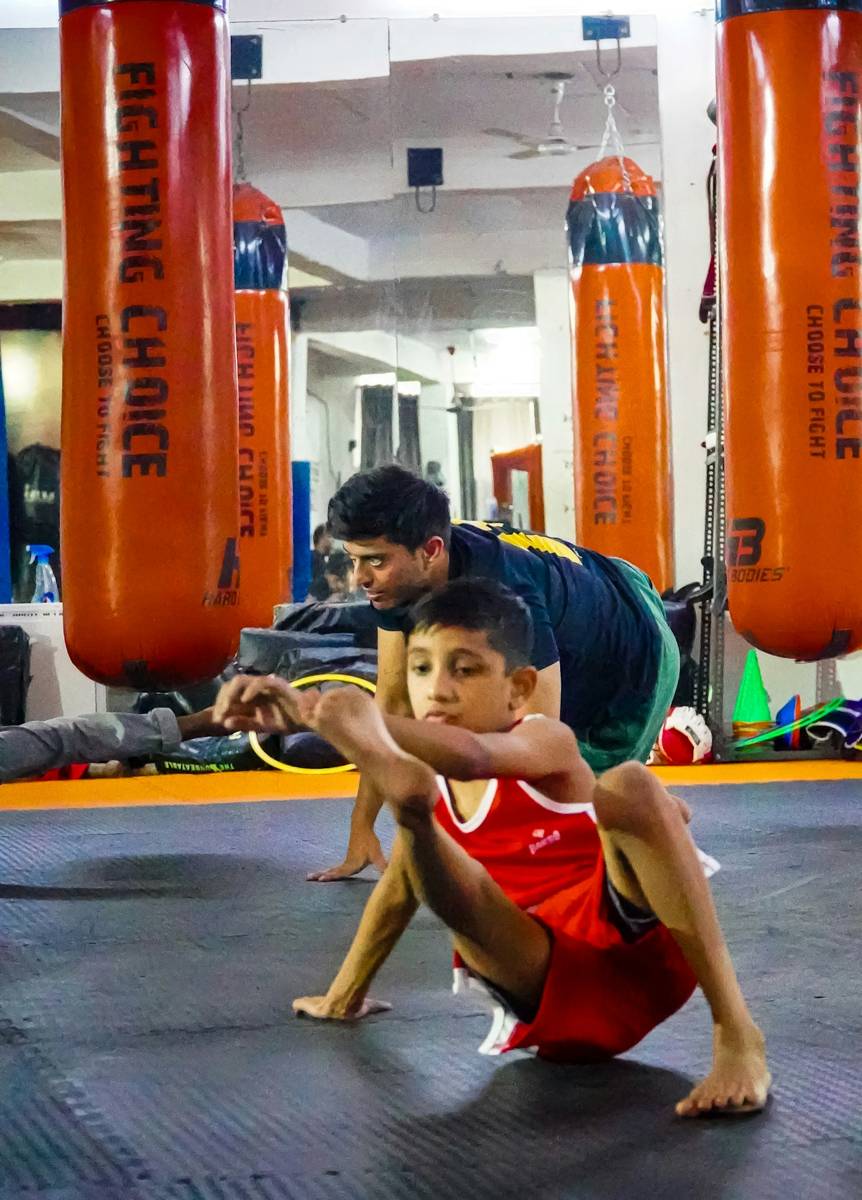
The biggest concern is head contact. Pediatric guidance takes concussion in young athletes very seriously, and repeated blows to the head are something to avoid in children. A responsible kids’ MMA program teaches striking only on pads and bags, keeps sparring to grappling, matches partners by size, and has coaches who stop anything that looks rough.
The right age
Children as young as six can enjoy kids’ MMA fundamentals classes. Hard sparring that combines strikes and grappling belongs, if anywhere, to experienced older teens with proper gear and supervision.
One art or many?
Many coaches suggest children build a strong foundation in one or two arts, such as wrestling or BJJ for grappling and Muay Thai or boxing for striking, rather than a little of everything. A well-designed MMA kids’ program can do this by teaching each area properly. A poorly designed one may leave children with shallow skills in all of them.
How to judge an MMA gym
Watch a kids’ class. Look for a separate children’s program with qualified coaches in grappling and striking, structured lessons, no head contact in sparring, sensible size matching and a friendly atmosphere. Ask about the gym’s rules for children, its gear requirements and whether children ever train with adults.
Questions to ask about contact
Contact rules decide whether kids MMA is a good idea, so ask before you sign. Find out at what age and belt children start sparring, whether head strikes are allowed at all, what gear is required, and whether sparring is optional. Ask who children are matched with: age, size and experience should all line up, and children should never spar adults. Watch a class with sparring if you can. Rounds should look like controlled practice, with coaches close by and quick to stop anything that gets heated. A gym that answers these questions clearly and happily is usually a gym that takes children’s safety seriously. Our comparison of kids MMA vs BJJ and our MMA profile go further.
Is kids MMA right for your child?
Kids MMA suits active children who enjoy variety, especially those who want both grappling and striking. Make sure the program you choose is built for children. For alternatives, read the best martial art for kids and Muay Thai and kickboxing for kids.
For the facts at a glance, a parent scorecard and what a typical class looks like, see our kids MMA profile.
Questions parents and students ask
What age can kids start MMA?
Many gyms run kids' MMA classes from about six to eight, but they are usually fundamentals classes mixing grappling and pad work. Combining striking and grappling in sparring is best left to older, experienced teens, if at all.
Is MMA safe for kids?
Grappling and pad work are safe. The main concern is strikes to the head in sparring. Good youth programs avoid head contact for children and keep sparring to grappling.
Is kids MMA better than one martial art?
Not necessarily. Many coaches recommend children learn one or two foundations well, such as wrestling or BJJ plus a striking art, rather than a little of everything.