| Muay Thai | Boxing | |
|---|---|---|
| Techniques | Punches, kicks, knees, clinch (elbows usually banned for kids) | Punches only |
| Usual starting age | About 8 and up | About 8 and up |
| Fitness | Whole body, lots of kicking and core work | Footwork, upper body, heavy cardio |
| Head contact in sparring | Varies by gym; ask | Central to the sport; ask how it is managed |
| Belts | Some gyms use grades or armbands | None |
| Youth competition | Smaller, growing scene | Well organized amateur system |
| Gear | Gloves, wraps, shin guards, mouthguard | Gloves, wraps, headgear, mouthguard |
| Typical cost | Mid to high at commercial gyms | Often low at nonprofit boxing clubs |
Pick by goal
- All-round fitnessMuay ThaiKicks and knees train the whole body.
- Tight budgetBoxingCommunity boxing clubs are often very cheap.
- Wants to competeBoxingThe youth amateur system is easier to find.
- Wants self-defenseMuay ThaiClinch and kicks cover more situations.
On this page
Boxing and Muay Thai are the two striking sports parents most often consider for an older child or a teenager who wants something tougher than a traditional martial arts class. Both offer outstanding fitness, real skill and a lot of confidence. Both also involve hitting and being hit, which is why the most important questions are not about the sport itself but about how a particular gym handles children and sparring.
For more background, see our guides to Muay Thai and kickboxing for kids and boxing for kids, or the comparison of all the main styles.
What each sport teaches
Boxing uses only the fists. That narrow focus is its strength: young boxers spend hours on footwork, balance, head movement and a handful of punches, combined in endless patterns on pads, bags and with partners. Good boxing coaching is technical and demanding, and children who stick with it develop exceptional timing and composure.
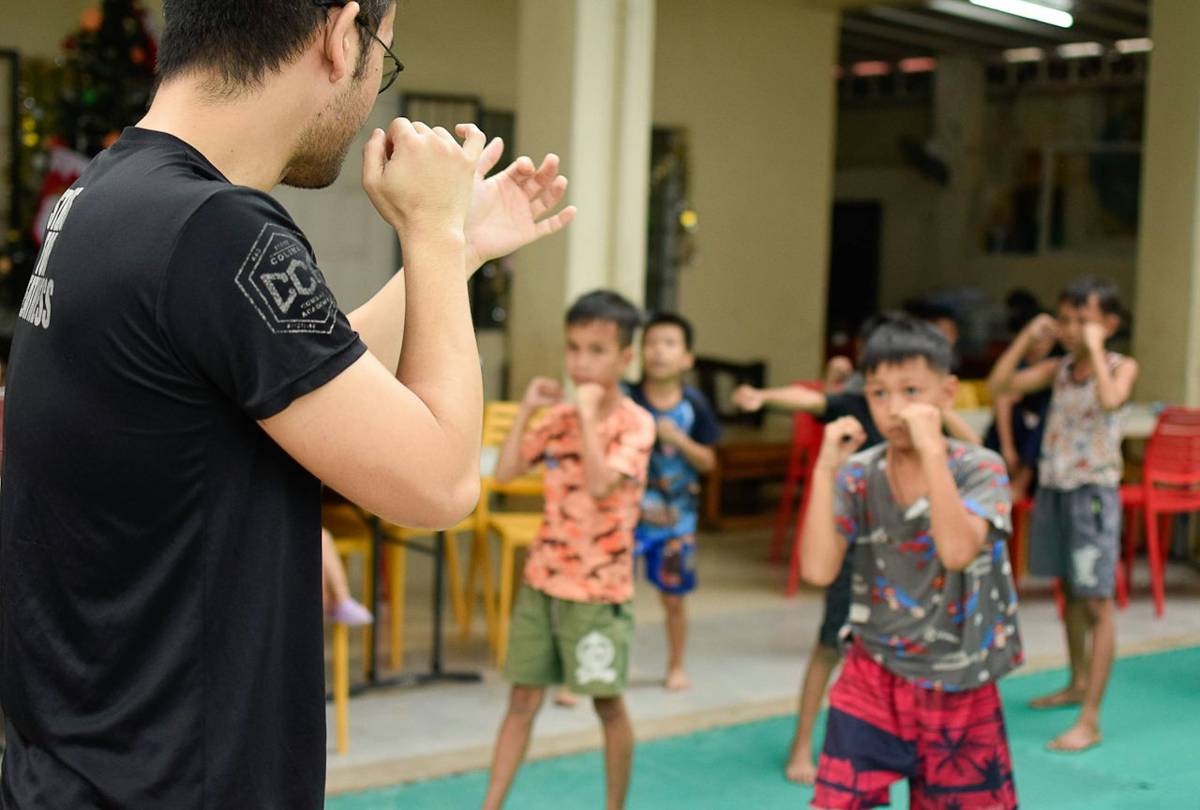
Muay Thai, from Thailand, is often called the art of eight limbs because it uses punches, kicks, knees and elbows, plus the clinch, a standing grapple in which fighters control each other’s heads and arms. For children, elbows are usually banned and contact is limited, so a kids’ Muay Thai class is mostly kicks and punches on pads, knees on bags, conditioning and partner drills. The range of techniques keeps classes varied and works the whole body.
Starting ages
Most gyms in both sports take children from about eight. Before that age, a traditional martial art with more games and structure is usually a better fit. Some boxing and Muay Thai gyms run younger fitness-style classes with no partner contact, which can be a fun introduction. Teenagers can start either sport from scratch and do very well, which makes both good choices for a young person who never did martial arts as a small child.
Head contact and safety
This is the heart of the decision. Pad work, bag work and technical drills are safe and give children almost all the benefits of either sport. The risk comes from sparring, and specifically from repeated blows to the head. Pediatric organizations have raised concerns about boxing for children and teenagers for exactly that reason. Muay Thai sparring includes head contact too, although the mix of kicks to the legs and body, and clinch work, often means fewer heavy punches to the head than boxing sparring.
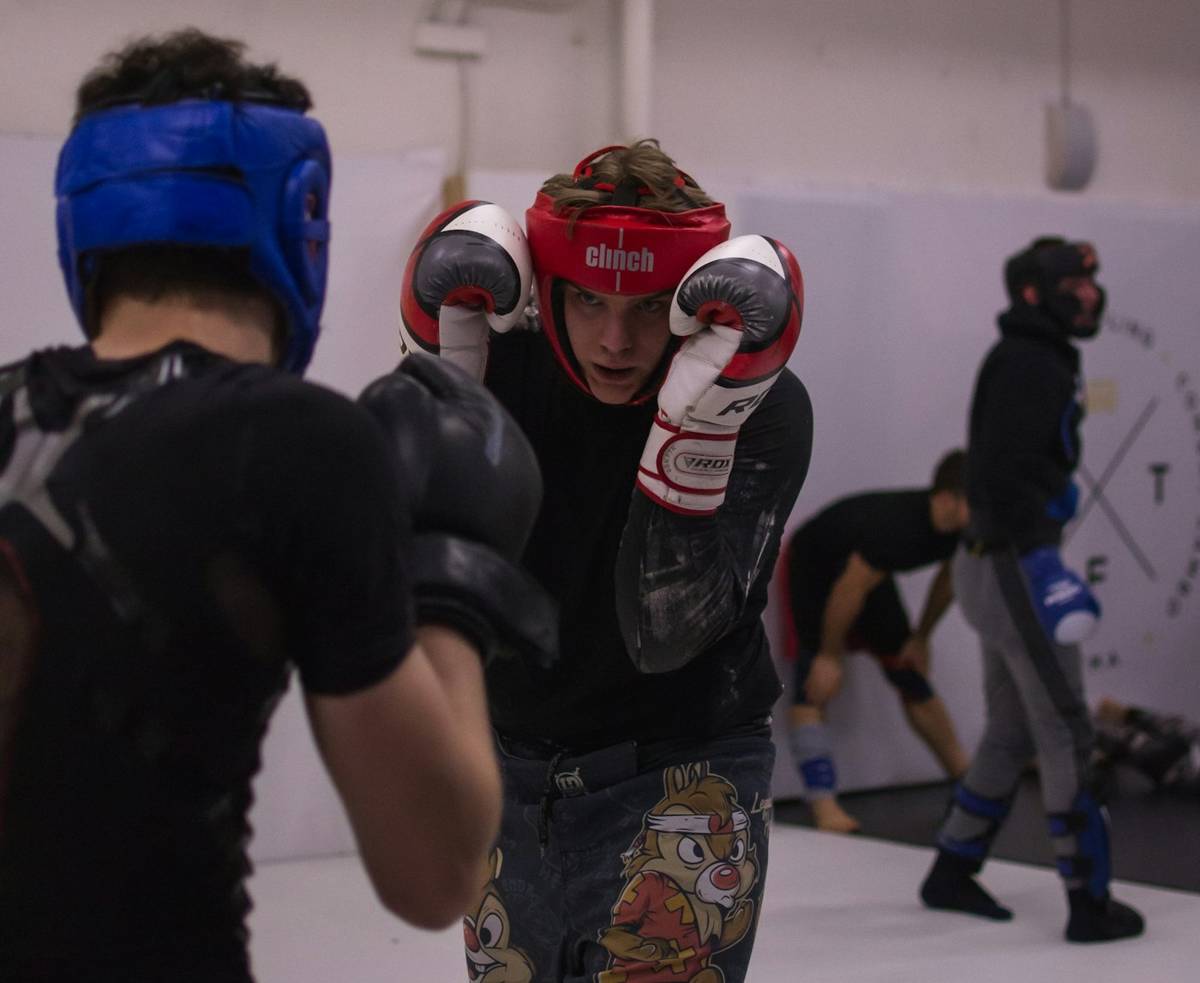
When you visit a gym, ask directly: at what age do children start sparring, how hard is it, how often, and who decides who spars with whom? A good youth coach will have clear answers. Look for light, technical sparring with headgear and mouthguards, children matched by size and experience, and a coach who stops anything that gets out of hand. Walk away from any gym that lets young children spar hard or encourages them to “toughen up” through it.
Fitness
Both are among the best workouts in any sport. Boxing builds cardiovascular fitness, fast footwork and upper-body endurance. Muay Thai adds hip mobility, leg strength and core work from all the kicking and kneeing. Children who struggle with team sports often thrive in either, because progress is personal and visible.
Competition
Amateur boxing has a well-organized youth system in the US, with local, regional and national events and rules designed for young athletes, including headgear, shorter rounds and matching by age, weight and experience. Youth Muay Thai competition exists but is smaller and less consistent from state to state. In both sports, competition is entirely optional, and many children train for years without ever entering a ring.
Gear and cost
Expect to buy gloves, hand wraps and a mouthguard for either sport, plus shin guards for Muay Thai and headgear for boxing sparring. Many traditional boxing clubs are nonprofits, sometimes run through police athletic leagues or community centers, and can be very affordable. Muay Thai is more often taught in commercial gyms, with prices similar to other martial arts schools. Our cost calculator helps compare quotes.
Which should your child choose?
Choose boxing if your child wants a focused, technical sport with clear competitive pathways, or if a low-cost community club is nearby. Choose Muay Thai if your child wants more variety, whole-body fitness and a wider set of skills. In both cases, the gym matters more than the sport: visit, watch a youth class, and choose the coach who treats children as athletes to develop, not as fighters to toughen up. For younger children, a traditional art such as karate or a grappling art such as judo is usually the better first step.
Questions parents and students ask
What age can kids start boxing or Muay Thai?
Most gyms take children from about 8, with technique and pad-work classes rather than hard sparring. Some offer fitness-style classes for younger children. Contact sparring, if it happens at all, should come later and be tightly controlled.
Is boxing safe for children?
Boxing on pads and bags is a safe, excellent workout. The concern is repeated blows to the head in sparring and competition, and some pediatric groups advise against boxing for children for that reason. If your child boxes, choose a gym that keeps head contact light and rare for young athletes.
Is Muay Thai or boxing better for self-defense?
Muay Thai covers more ground, since it includes kicks, knees and clinch work, which is how many real confrontations start. For children, though, either is mainly a fitness and confidence sport; grappling arts are usually more useful for schoolyard situations.