Pick by goal
- Self-defenseBJJ or wrestlingPractical, live practice from the start.
- Serious fitnessMuay Thai or boxingHard, engaging workouts.
- School teamWrestlingMany teens start in middle or high school.
- Structure and goalsKarate or Taekwondo with a teen classBelts and forms, alongside peers.
On this page
Plenty of teenagers decide they want to do martial arts at 13, 14 or 16, often after a film, a friend or a rough patch at school. Parents sometimes worry it is too late, since so many children start at five. It is not. Teenagers make excellent beginners, and some arts are actually better started in the teen years.
Why teens make good beginners
Teenagers understand instructions quickly, can concentrate for a full class, and are stronger and more coordinated than small children. They tend to learn technique faster and move through the early ranks more quickly. Many also bring a clear reason for training, such as fitness, confidence or self-defense, which helps them stick with it.
Styles that suit teen beginners
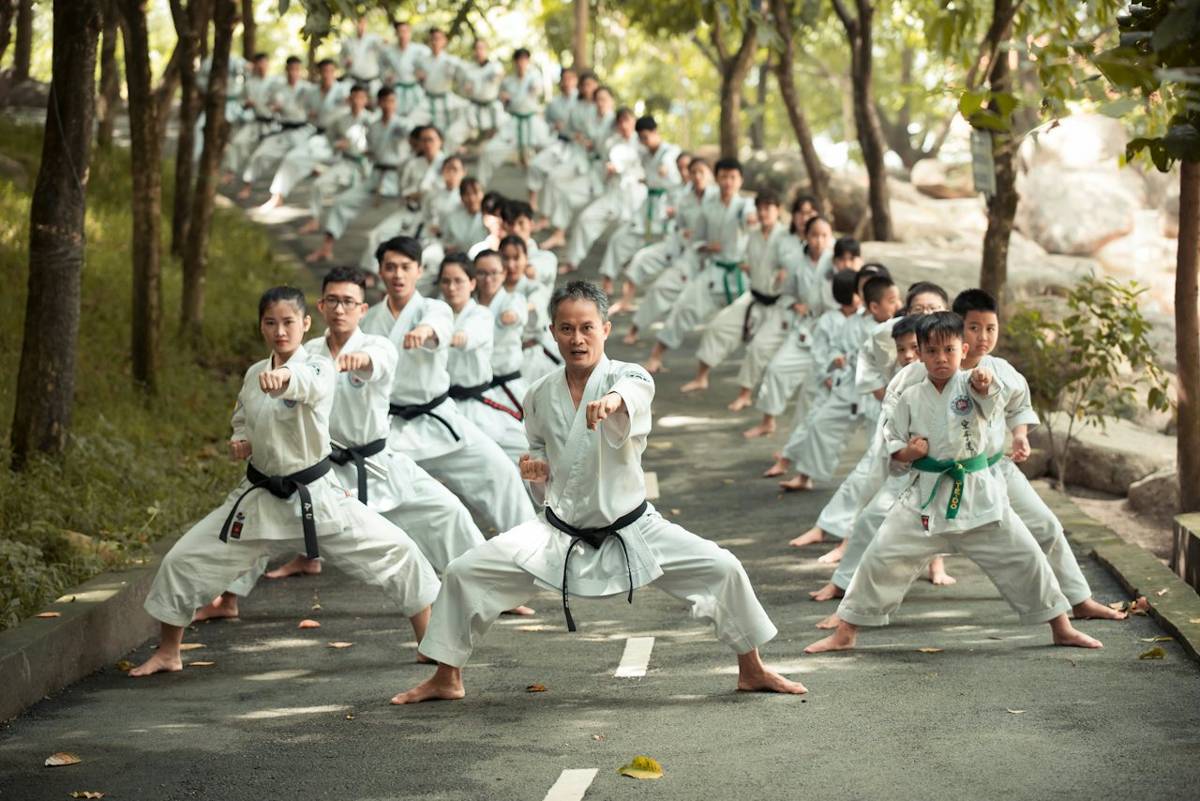
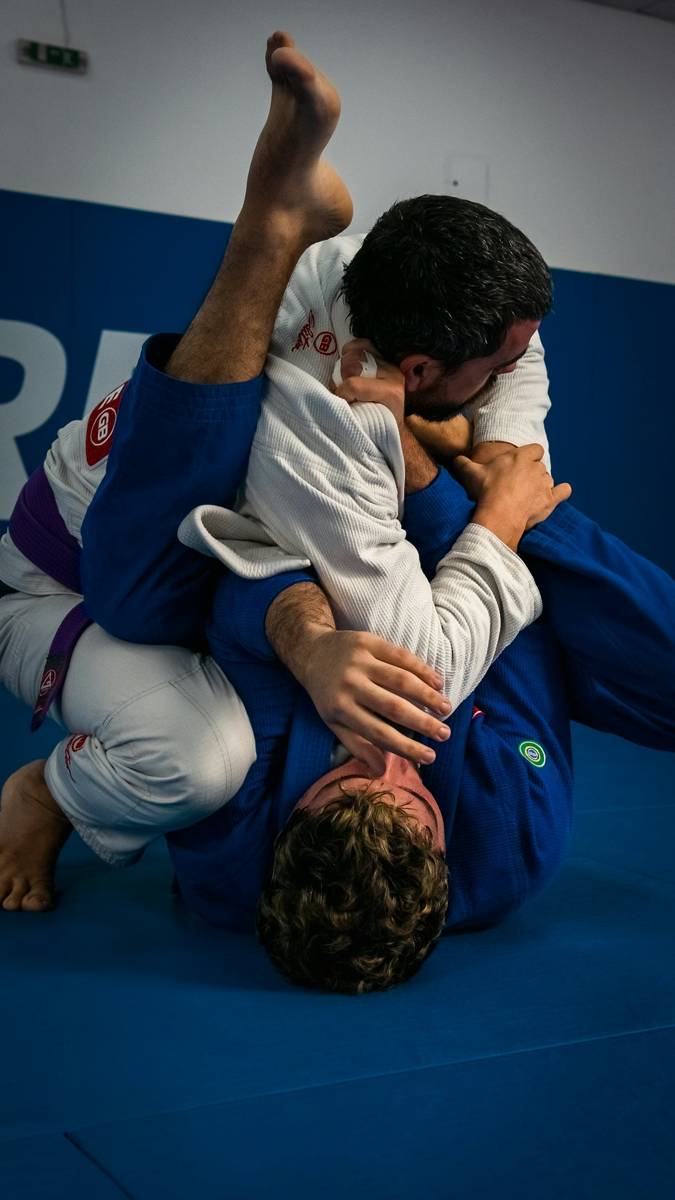
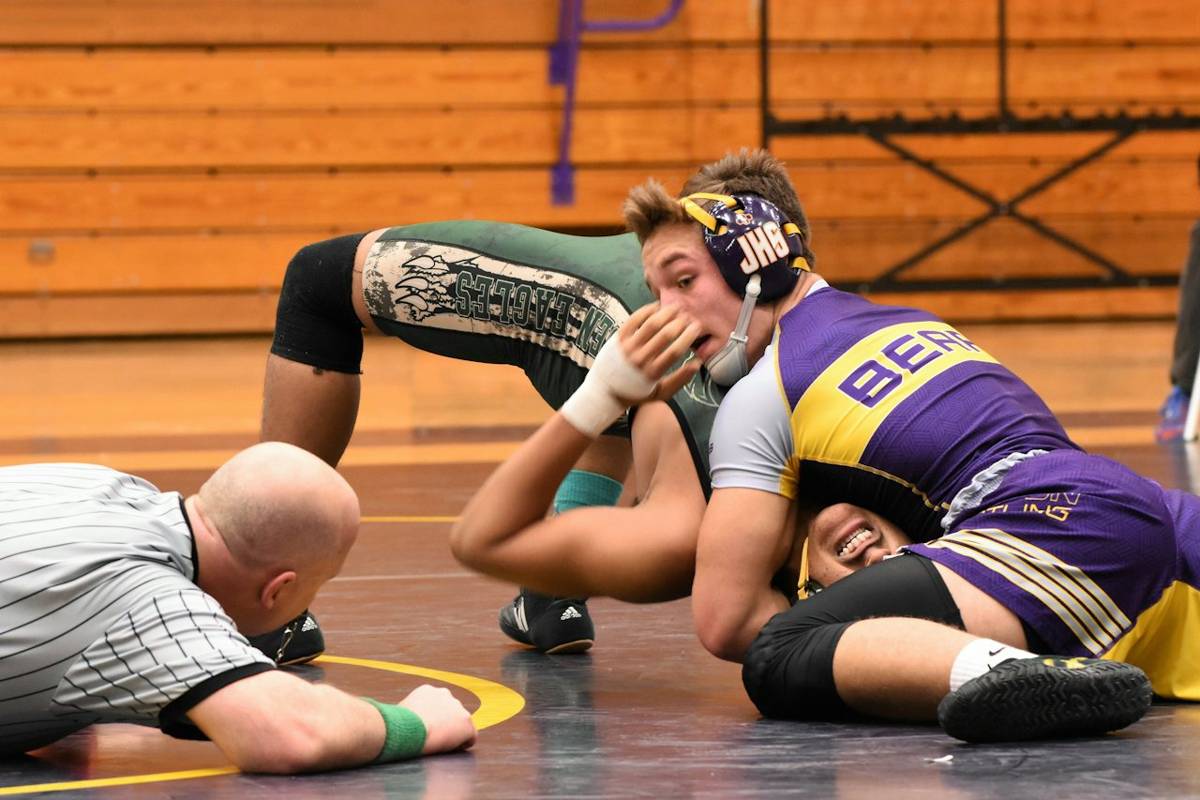
Brazilian Jiu-Jitsu, judo and wrestling are popular with teenagers because they include live practice early and teach practical self-defense. Wrestling is a natural choice if the school has a team; many wrestlers start in middle or high school. Boxing and Muay Thai offer intense fitness and suit teens well, provided the gym keeps sparring controlled. Karate and Taekwondo work well at schools with a dedicated teen or adult class. Our comparison of the styles explains each one.
The class matters
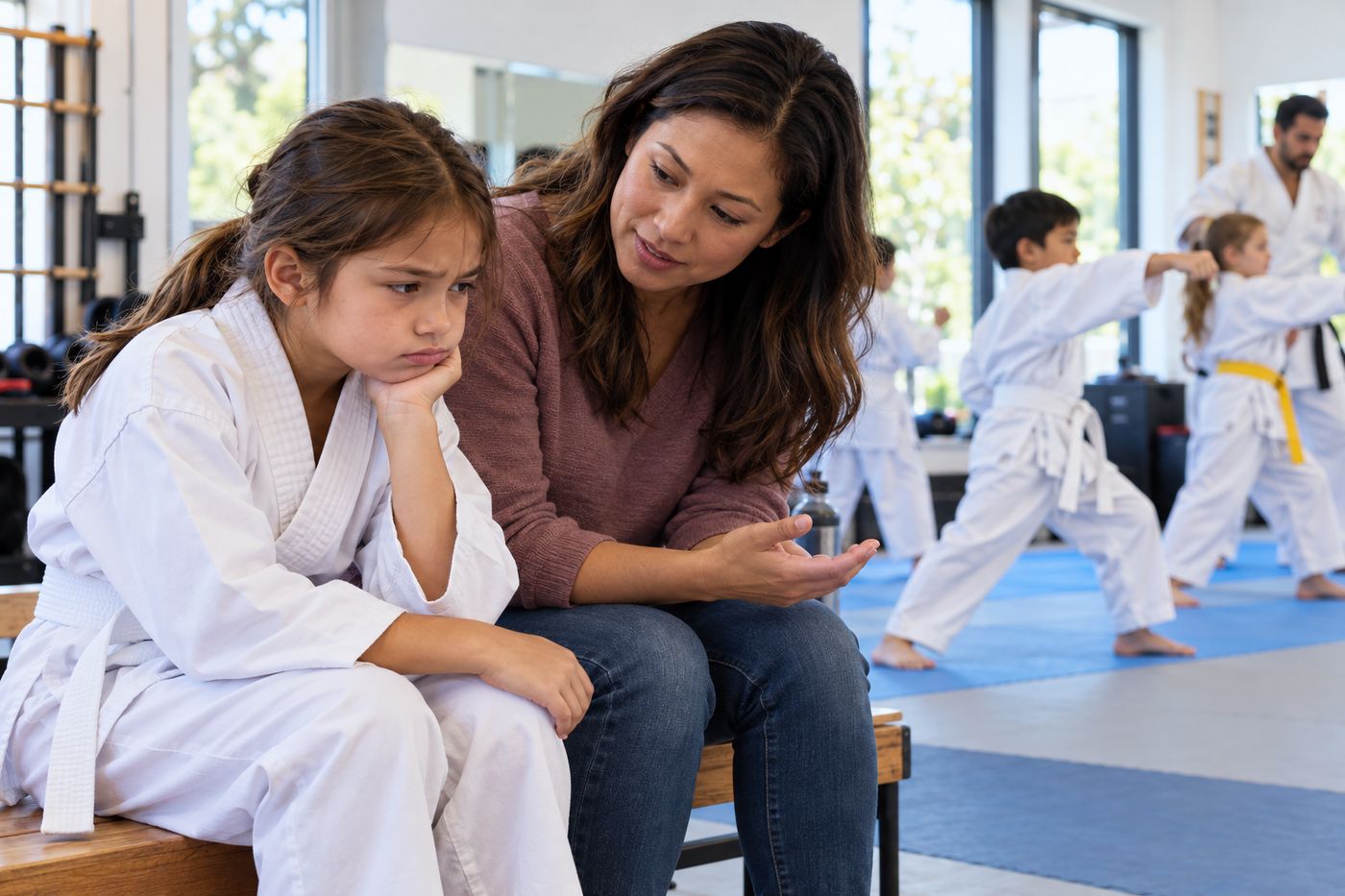
The biggest risk for a teen beginner is ending up in a class full of young children. Ask whether the school has a teen class, or whether teenagers can join adult classes, which many do from about 13 to 16 depending on the school. Training with peers and adults makes the class far more motivating, and teenagers usually rise to the level of the room.
Catching up
Teens starting at white belt sometimes worry about being behind children their age who started years earlier. In practice, they catch up quickly in skill, even if belts take time. In arts like BJJ and judo, where belts are slow for everyone, it barely matters. In Taekwondo and karate, many schools promote capable teenagers quickly through the first ranks.
Safety for teens
Teenagers can train harder than young children, but the same safety principles apply: controlled sparring, sensible partnering and limited head contact, especially in boxing and kickboxing. Our guide to the safest martial arts covers the risks by style.
Choosing a school
Visit with your teenager, watch the class they would join and let them try a session. Look for a coach who treats teens with respect, a mix of ages and abilities, and a culture of training hard but safely. Let your teenager have a big say; at this age, their buy-in matters most. Our guide to choosing a martial arts school has a full checklist.
Questions parents and students ask
Is 13 or 14 too old to start martial arts?
No. Many people start in their teens or as adults and do very well. Teenagers understand technique quickly, are stronger and more coordinated than young children, and often move through the early ranks faster.
Will my teen be in a class with little kids?
It depends on the school. Many schools have teen classes or let teenagers join adult classes, which is usually better. Ask before signing up; a teenager stuck with young children often loses interest.
What martial art is best for a teenager to start?
Popular choices are BJJ, wrestling, judo, boxing and Muay Thai, because they suit older beginners and include live practice early. Karate and Taekwondo are good too at schools with a strong teen or adult program.