| Good sign | Red flag | |
|---|---|---|
| Class | Children active most of the time | Long lines and waiting |
| Instructor | Knows names, corrects gently | Shouting, shaming or ignoring kids |
| Safety | Background checks, first aid, clear rules | Hard sparring for beginners |
| Money | Prices in writing, month-to-month option | Pressure to sign on day one |
| Belts | Earned over months, kids can fail | Black belt promised by a date |
Pick by goal
- Confidence and focusA small, friendly kids' classAttention matters more than the style.
- Sport and competitionA club with a youth teamRegular tournaments and coaching.
- Not sure which styleTrial two or three stylesYour child's reaction is the best guide.
On this page
Most families choose a martial arts school the same way they choose a pizza place: the one closest to home with the friendliest sign. Sometimes that works out beautifully. But schools vary enormously in teaching quality, safety and value, and a little homework before signing up can save months of frustration and hundreds of dollars.
Start with your child and your goals
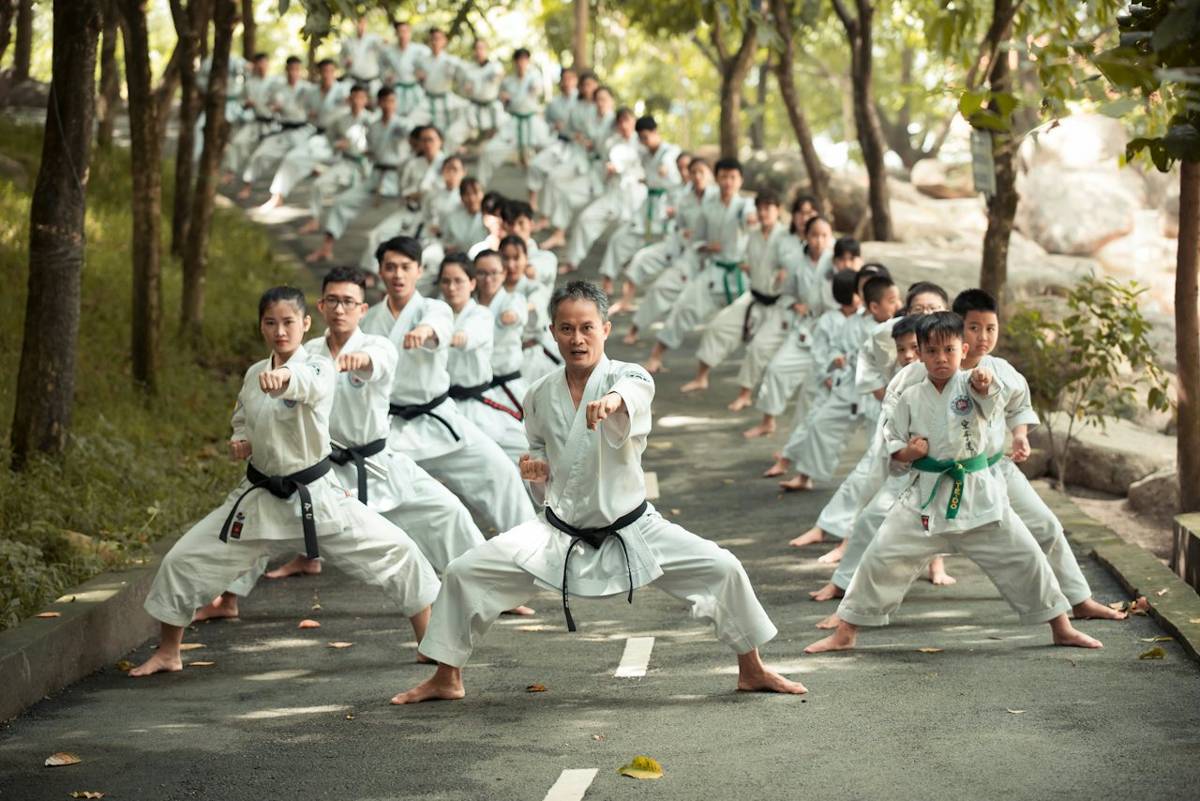
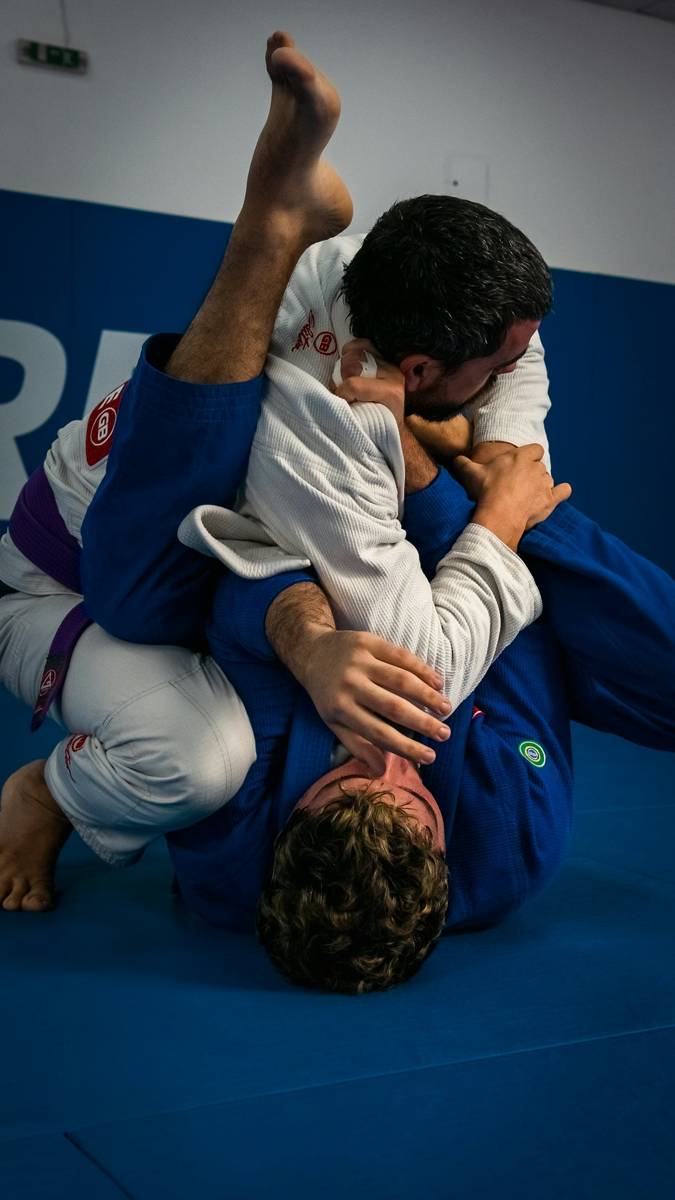
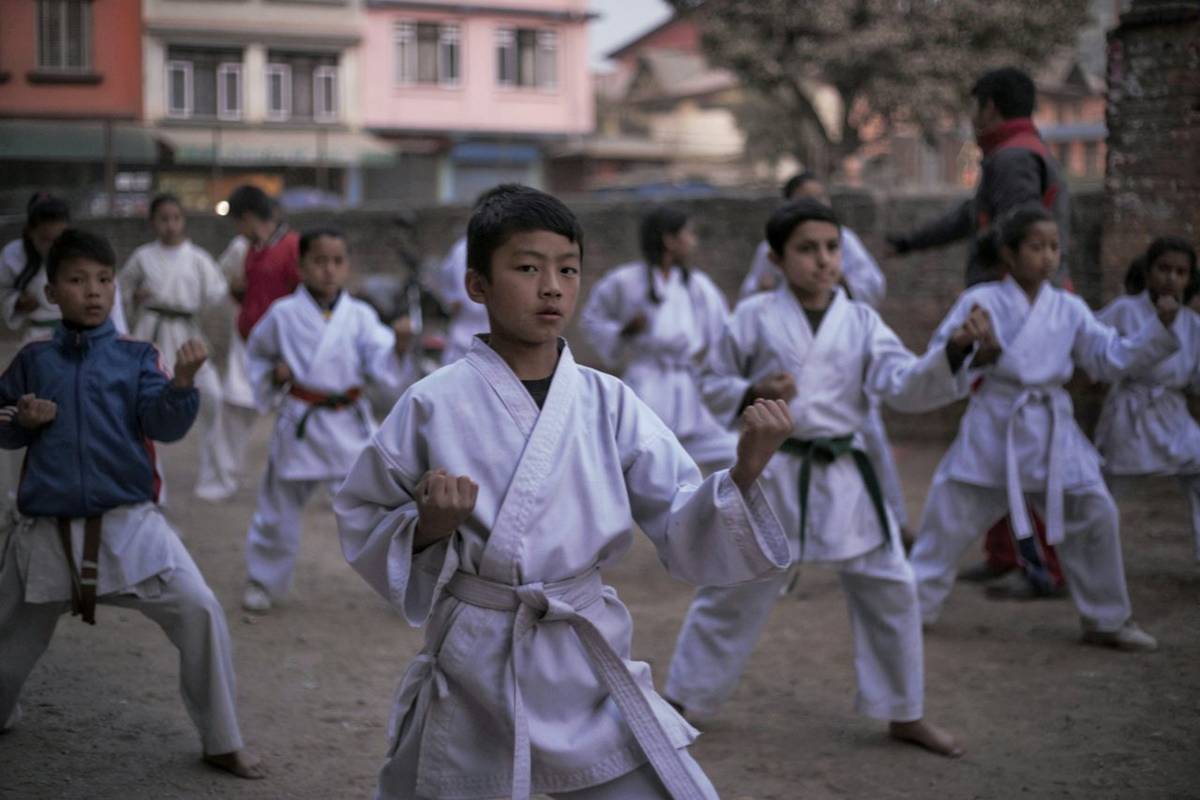
Think first about why you want martial arts. Confidence, fitness, focus, self-defense, a sport to compete in and a community are all good reasons, but they point to different styles. Grappling arts such as BJJ, judo and wrestling are strongest for practical self-defense without striking. Taekwondo and karate offer clear structure and frequent goals. Read our comparison of the main styles and pick two or three to explore.
Shortlist and visit
List the schools within a realistic drive, check their schedules against your family’s week, and book trial classes at two or three. Visiting more than one is the single most useful thing you can do, because it shows you what normal looks like.
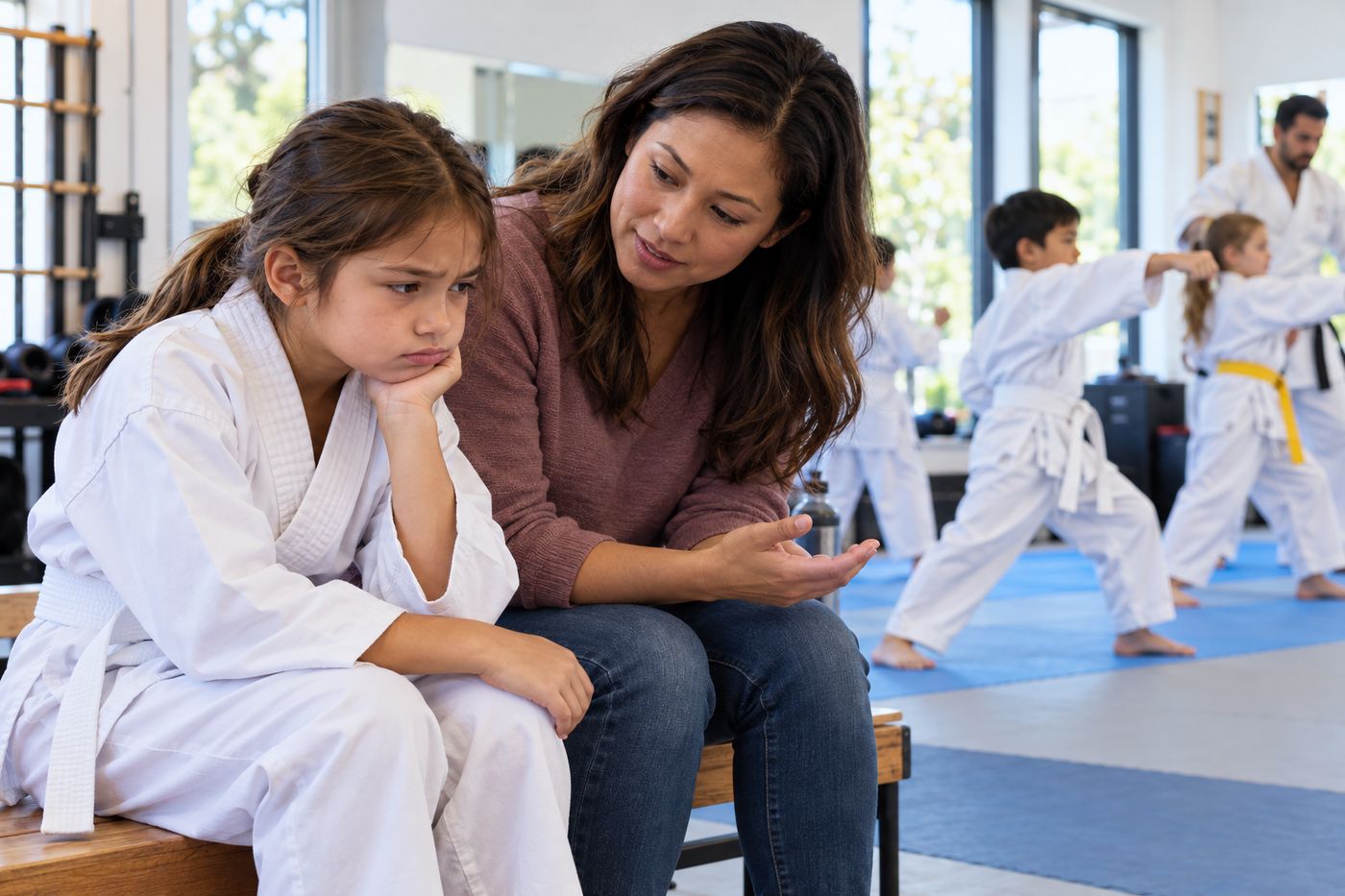
Watch a children’s class
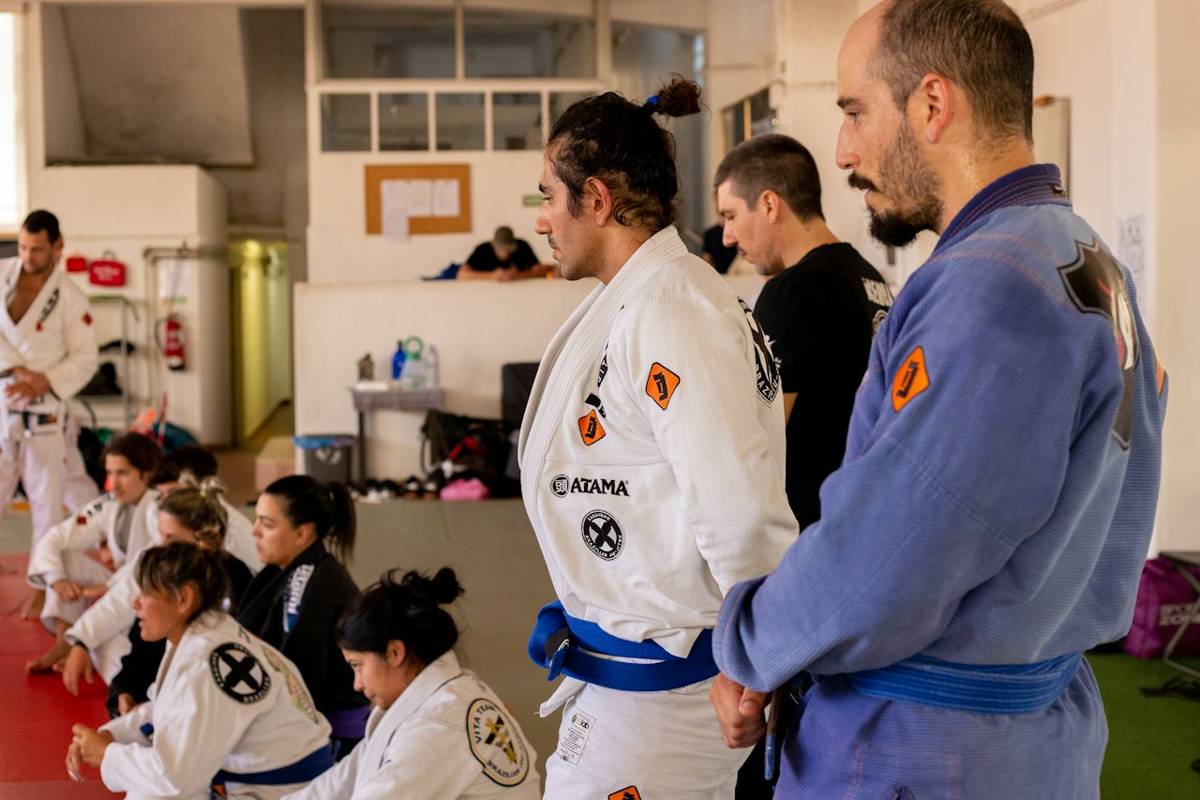
Watch a full class for your child’s age group, not just the adults. Good signs include a separate kids’ program grouped by age and size; an instructor who knows the children’s names, explains clearly and corrects kindly; most children moving and engaged rather than waiting in line; partners matched sensibly; and safety rules enforced without drama. A class should feel busy, structured and warm.
Check the instructor and child safety
Ask about the head instructor’s training, rank and lineage, and who teaches the kids’ classes day to day. Ask whether instructors have background checks and child-protection training, and what the school’s policy is on adults being alone with children. Schools affiliated with national governing bodies for Olympic sports, such as USA Judo, USA Wrestling or USA Taekwondo, are generally subject to the U.S. Center for SafeSport’s abuse-prevention rules. Ask, too, how the school handles injuries and suspected concussions.
Understand the money
Ask for every cost in writing: monthly tuition, registration fees, uniforms and gear, testing or promotion fees, and tournament costs. Ask whether there is a contract, how long it runs, whether it renews automatically and how to cancel. Our guide to martial arts contracts and our cost by style guide go deeper.
Red flags
Walk away from high-pressure selling, such as a discount that disappears if you do not sign today; guaranteed black belts by a set date; expensive “leadership” or “black belt club” upsells for young children; frequent belt tests that seem tied to fees more than progress; hard sparring for young children; and instructors who discourage questions. See our guide on how to spot a McDojo.
A simple way to compare schools
After two or three trial classes, it helps to compare schools side by side while they are fresh in your mind. Score each from one to five on a handful of things: how much your child enjoyed it, how well the instructor taught children, how safe it felt, how easy the drive and timetable are, and the true yearly cost once tests, uniforms and gear are added. The drive and timetable matter more than most parents expect, because the school you can reach twice a week without stress is the one your child will stick with. Our cost calculator adds up the yearly cost, our trial class checklist prints on one page, and Find a class helps you build a shortlist.
Let your child decide too
After a trial class, ask your child what they enjoyed and whether they want to go back. A child who loves the instructor and the other kids will keep going through the hard weeks, and that matters more than any feature on a checklist.
Questions parents and students ask
What should I look for in a martial arts school for my child?
A separate children's program, a patient instructor who explains clearly, small enough classes to supervise safely, clean mats, a clear safety and child-protection policy, transparent prices and no pressure to sign up on the spot.
Is the style or the school more important?
For young children, the school and the instructor matter more than the style. A great teacher in a less fashionable style will usually beat a poor teacher in the style you had in mind.
Should I sign a long contract?
Not at first. Ask for a trial period or month-to-month option. If a contract is needed, read it carefully for length, auto-renewal and cancellation terms.