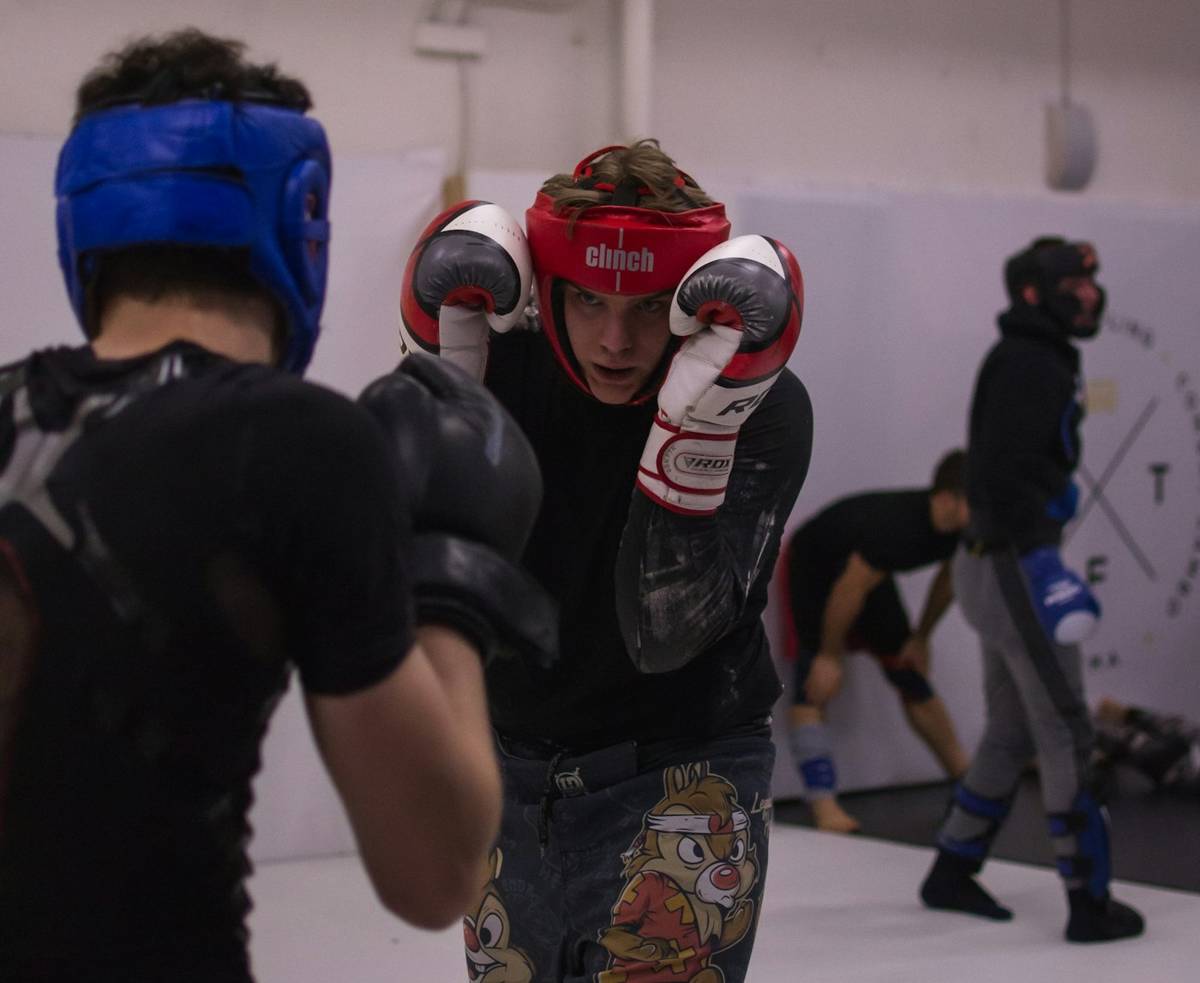
| Krav Maga for kids | |
|---|---|
| Starting age | About 5 or 6; teen classes from about 12 |
| Focus | Awareness, escapes, simple strikes, getting away |
| Competition | None |
| Ranks | Levels or belts, depends on the organization |
| Typical cost | $100 to $250 a month |
Pick by goal
- Practical self-defenseKrav Maga kids' programBuilt around real situations and getting to safety.
- A sport with belts and tournamentsTaekwondo, karate or judoKrav Maga has no competitions.
- Ground skills for bullyingBJJ or Krav MagaBoth teach escaping when held down.
On this page
Krav Maga is known as a no-nonsense self-defense system, and its name means “contact combat” in Hebrew. Its reputation for realism draws many parents, especially those worried about bullying. Kids’ Krav Maga is quite different from adult classes, though, and understanding what children actually learn helps you judge whether it fits your child.
Where Krav Maga comes from
Krav Maga was developed by Imi Lichtenfeld, a boxer and wrestler from Bratislava, who created practical self-defense methods in the 1930s and later taught them in Israel, where they were adopted by the Israel Defense Forces. After he began teaching civilians, Krav Maga spread worldwide. It is a system, not a sport, so there are no competitions, and it draws on boxing, wrestling and other arts.
What adult Krav Maga looks like
Adult classes focus on simple, instinctive responses to real attacks: striking vulnerable targets, escaping chokes and grabs, defending against weapons and fighting under stress. Training can be intense.
What kids’ classes focus on
Good children’s programs keep the spirit but change the content. Children learn awareness, noticing danger and avoiding it; boundaries, using a strong voice and body language; escapes from wrist grabs, bear hugs and pushes; falling safely; and getting away to a trusted adult. Many programs teach basic strikes on pads and include fitness games. Anti-bullying lessons, including when to walk away and when to tell an adult, are a big part of most curriculums.
Safety
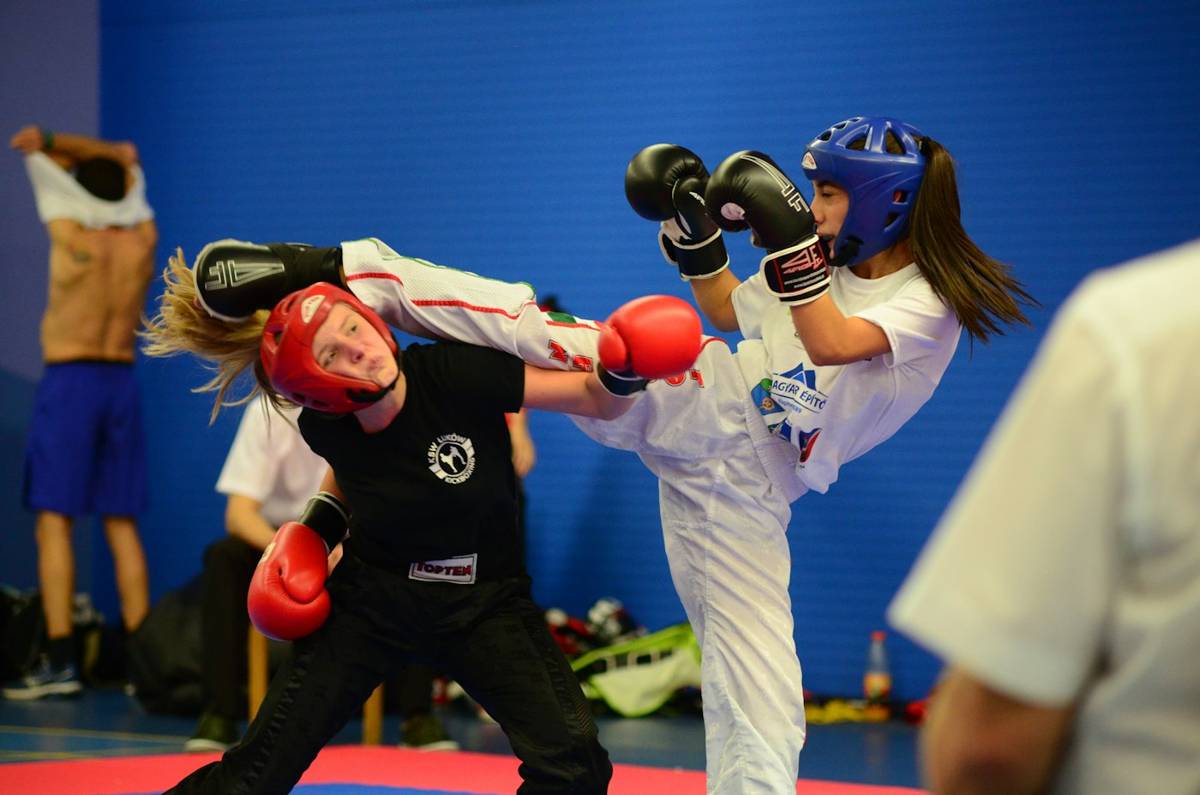
Because Krav Maga techniques for adults target sensitive areas, children’s classes should use controlled drills with pads and cooperative partners, not hard contact to the head or joints. Ask how partner drills work, what gear is used and how instructors keep play safe.
Ranks and quality
There is no single governing body. Several international organizations certify instructors and run colored belt or patch systems, and many independent schools teach their own versions. Quality varies, so ask where the instructor trained, which organization certifies them and whether they have specific training to teach children.
Costs
Krav Maga schools are usually commercial and priced like other martial arts schools, often with monthly memberships. See our cost by style guide.
Krav Maga and bullying
Many parents look at Krav Maga after a bullying problem. A good kids’ program helps, but not by teaching children to fight back hard. The best classes teach children to notice trouble early, use a firm voice and body language, walk away, and tell a trusted adult, and only then to escape a grab or push and get to safety. Ask the instructor how they teach this and listen for words like awareness, boundaries and de-escalation. A school that promises your child will be able to beat any attacker is selling fear, not skills. Our guide to martial arts for shy kids covers confidence more broadly, and our Krav Maga profile shows what the first year looks like.
Is Krav Maga right for your child?
Krav Maga suits families whose main goal is practical self-protection and confidence, and children who like active, hands-on classes. Children who want belts, tournaments or a long traditional path may prefer Taekwondo, karate or judo. For a child being bullied, compare our guide to the best martial art for bullying, where grappling arts such as BJJ also rate highly.
For the facts at a glance, a parent scorecard and what a typical class looks like, see our Krav Maga profile.
Questions parents and students ask
What age is Krav Maga good for?
Many programs run kids' classes from about five or six, often split into younger and older groups. Teens can usually join more realistic training as they mature.
Is Krav Maga good for bullying?
Good kids' programs focus on awareness, confidence, setting boundaries, escaping grabs and getting to safety, which are useful against bullying. Talking to the school and adults remains essential.
Does Krav Maga have belts?
There is no single system. Some organizations use colored belts or patches and grading tests; others have no visible ranks.